
How Much Lasagna Per Person Calculator
Table of Contents
- Why Smart Lasagna Planning Matters
- Interactive Lasagna Portion Calculator
- Foundation Knowledge: Crowd Serving Science
- Preparation Methods and Timing Strategies
- 2025 Lasagna Trends and Recipe Innovations
- Expert Tips for Bulk Lasagna Preparation
- Equipment and Setup for Large Groups
- Common Crowd Serving Challenges
- Advanced Event Catering Strategies
- Frequently Asked Questions
Why Smart Lasagna Planning Matters
Lasagna stands as one of the most beloved crowd-pleasing dishes for events, offering comfort food appeal that satisfies diverse tastes while providing substantial, filling portions that keep guests satisfied throughout gatherings. However, calculating precise lasagna quantities for groups presents unique challenges that extend beyond simple mathematics, requiring understanding of appetite patterns, event dynamics, and service logistics.
Professional event planners recognize that lasagna portion planning involves multiple variables including guest demographics, event duration, accompanying dishes, dietary restrictions, and serving logistics that significantly impact consumption patterns. Poor planning results in either insufficient quantities that leave guests hungry or excessive portions that create waste and budget strain.
According to the National Restaurant Association, lasagna ranks as the third most popular catered dish for events, with demand increasing 28% over the past three years due to its versatility, comfort appeal, and ability to accommodate various dietary modifications including vegetarian and gluten-free options.
Modern lasagna service also involves considerations around temperature maintenance, quality preservation, dietary accommodations, and presentation standards that become complex when scaling from family-size portions to crowd quantities. The difference between amateur and professional results often depends on understanding these nuances.
Effective lasagna planning for crowds ensures adequate portions throughout events, optimizes food costs through accurate purchasing, maintains optimal serving temperature and quality, accommodates diverse dietary needs and preferences, and reduces event stress through systematic preparation. When executed properly, lasagna service becomes a memorable highlight that enhances overall event satisfaction and guest experience.
Interactive Lasagna Portion Calculator
🍝 Calculate Your Perfect Lasagna Plan
Classic Lasagna for Crowds
45 minutes
60 minutes
15 minutes
165°F internal
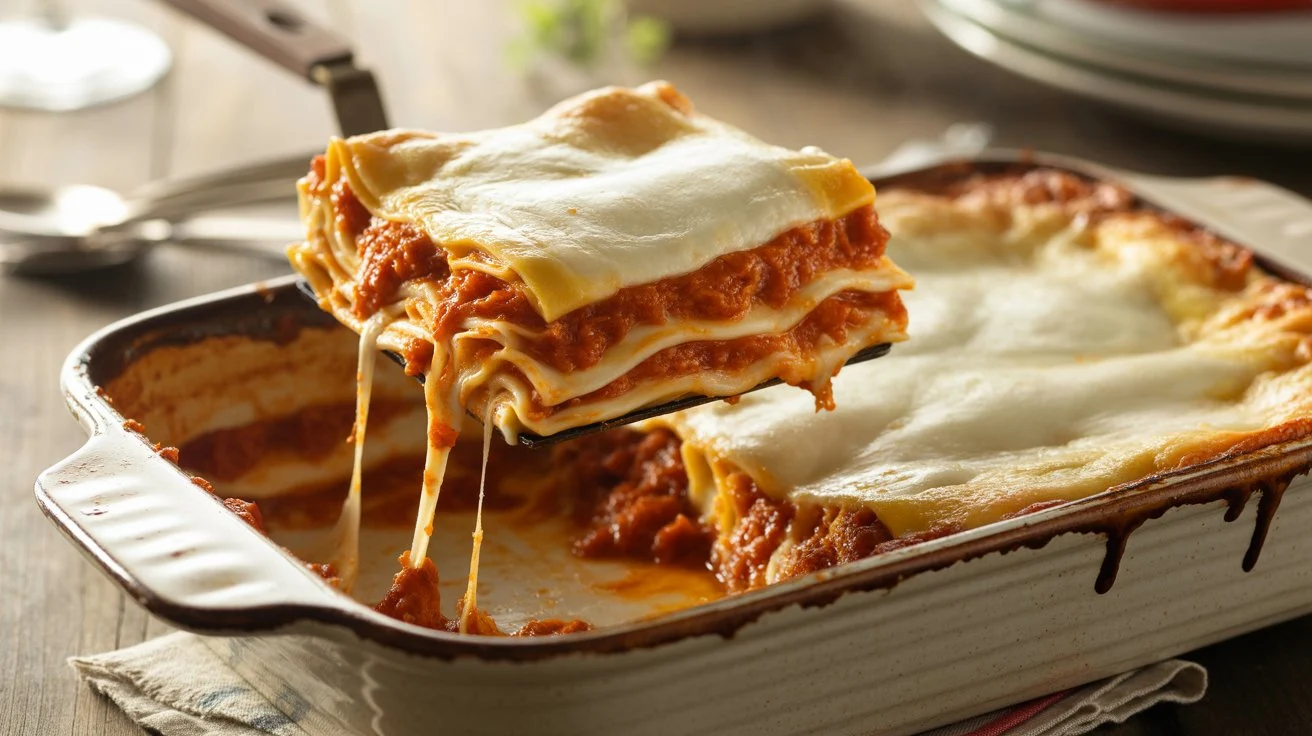
Layer pasta, meat sauce, cheese mixture, and mozzarella in 9×13 pans. Cover with foil and bake at 375°F for 45 minutes, then uncover for final 15 minutes until bubbly and golden. Let rest 15 minutes before cutting for clean slices.
🍫 The Ultimate No-Bake Dessert Ebook 🍓
30 mouthwatering no-bake recipes you can whip up in minutes — creamy cheesecakes, fruity parfaits, chocolatey bars, and more!
- ⚡Quick & easy — no oven required
- 📖30 recipes + bonus treat
- 🍓Chocolate, fruit, nutty & refreshing flavors
- ✨Beautifully designed, instant download
Professional Calculator Tips
This calculator accounts for appetite variations, event timing effects, dish competition, and demographic factors. Results include 10% buffer for popular events. Dinner events typically see 25% higher consumption than lunch events.
Foundation Knowledge: Crowd Serving Science
Understanding portion requirements for large groups requires knowledge of consumption psychology, appetite patterns, and social dynamics that influence how much people eat in group settings. Lasagna consumption follows specific patterns that differ from individual home dining due to social factors and presentation methods.
Portion Psychology and Social Factors
Group dining creates psychological effects that influence portion consumption beyond individual preferences. Research shows that people often eat 20-30% more in social settings due to extended meal duration, conversation patterns, and social eating cues that override normal satiety signals.
Lasagna’s comfort food appeal and rich, satisfying nature can lead to both higher initial portions and reduced second helpings compared to lighter dishes. Understanding these patterns helps predict accurate quantities while avoiding common overestimation mistakes that lead to excessive waste.
Demographic and Event Type Considerations
Different demographics consume dramatically different quantities of lasagna. Teenage boys and young adults typically consume 1.5-2 times adult portions, while seniors often eat 20-30% less than standard adult servings. Event types also influence consumption, with celebration meals seeing higher intake than routine gatherings.
Quality and Temperature Impact
Lasagna quality significantly affects consumption patterns. Well-prepared, properly heated lasagna encourages normal consumption, while poorly heated, dried out, or lukewarm lasagna leads to reduced intake and guest dissatisfaction. Temperature maintenance becomes critical for crowd service success.
Professional catering standards require lasagna to be served at 165°F internal temperature for both safety and optimal taste. Quality factors include proper cheese melting, sauce consistency, pasta texture, and visual appeal that all influence how much guests consume during events.
Food safety regulations require careful temperature monitoring for crowd food service. Lasagna held in the temperature danger zone (40-140°F) for more than 2 hours creates bacterial growth risks. Professional heating equipment and monitoring systems become essential for events over 25 people.
Preparation Methods and Timing Strategies
Large-scale lasagna preparation requires strategic planning that accounts for cooking times, equipment limitations, and service logistics. Professional caterers employ systematic approaches that ensure consistent quality while managing complex timing requirements for multiple pans and extended service periods.
Make-Ahead Strategies
Lasagna benefits significantly from make-ahead preparation, with assembled pans often improving in flavor when refrigerated 24-48 hours before baking. This approach allows better ingredient integration, easier service timing, and reduced last-minute preparation stress for event organizers.
Professional make-ahead methods include assembling lasagna completely and refrigerating, preparing components separately and assembling day-of, or fully cooking and reheating with proper temperature control. Each approach offers distinct advantages depending on event size and available equipment.
Cooking and Timing Coordination
Multiple lasagna pans require careful timing coordination to ensure simultaneous completion and optimal serving temperature. Standard home ovens typically accommodate 2-3 9×13 pans, requiring batch cooking for larger quantities or professional oven access for simultaneous preparation.
2025 Preparation Innovation Trends
Modular lasagna preparation using half-sized pans is gaining popularity for easier handling, better portion control, and improved heat distribution. This approach reduces cooking time by 25% while providing more flexible service options for diverse group sizes.
Quality Control and Consistency
Large-scale preparation requires standardized recipes, consistent layering techniques, and quality control measures that ensure uniform results across multiple pans. Professional kitchens implement measuring systems, timing protocols, and visual standards that maintain consistency.
Quality control includes monitoring sauce distribution, cheese coverage, pasta cooking levels, and overall assembly consistency that affects both appearance and taste. Systematic approaches prevent common problems like uneven cooking, dried edges, or inconsistent portions.
Temperature Management Systems
Maintaining optimal serving temperature for multiple lasagna pans requires professional heating equipment including warming trays, slow cookers, or commercial holding ovens. Home solutions include insulated containers, oven warming settings, or aluminum chafer dishes with heating elements.
Professional temperature management ensures food safety compliance while maintaining quality throughout extended service periods. Proper equipment prevents both food safety issues and quality degradation that can compromise event success.
2025 Lasagna Trends and Recipe Innovations
The lasagna landscape continues evolving in 2025, driven by dietary preferences, health consciousness, sustainability concerns, and creative culinary innovation. Understanding current trends helps event planners create contemporary experiences that meet diverse guest expectations while maintaining traditional comfort appeal.
Dietary Accommodation and Inclusive Options
Modern lasagna service increasingly accommodates diverse dietary needs including vegetarian, vegan, gluten-free, and low-carb options. Plant-based proteins, alternative cheese products, and vegetable-based pasta substitutes now provide options that maintain traditional lasagna appeal while meeting specialized dietary requirements.
Professional caterers often prepare multiple lasagna varieties to ensure inclusive dining experiences. Popular variations include spinach-ricotta vegetarian, vegan cashew-based, zucchini noodle low-carb, and gluten-free options that expand accessibility while maintaining crowd appeal.
Health-Conscious and Functional Ingredients
Health-focused lasagna preparation incorporates lean proteins, increased vegetables, reduced sodium, and functional ingredients that enhance nutritional value without compromising taste. These modifications appeal to health-conscious guests while maintaining traditional comfort food satisfaction.
Creative Flavor Profile Expansion
Traditional Italian lasagna flavors are expanding to include international influences, seasonal ingredients, and innovative combinations that create signature dishes. Popular additions include Mexican-inspired versions, Mediterranean vegetables, Asian fusion elements, or regional American flavors.
Creative flavor development allows event organizers to create memorable signature dishes that align with event themes, cultural celebrations, or organizational identity. These unique offerings often become conversation starters that enhance overall event experience and guest engagement.
Sustainable and Local Sourcing
Environmental consciousness drives increasing emphasis on local ingredient sourcing, sustainable packaging, organic options, and waste reduction strategies. These practices often reduce costs while appealing to environmentally conscious guests and organizations.
Sustainable practices include purchasing from local farms, using organic ingredients when budget allows, minimizing packaging waste, and implementing composting programs for food scraps. These approaches create positive environmental impact while often improving ingredient quality and freshness.
Trending Lasagna Innovations
Individual portion lasagna cups for easy serving, deconstructed lasagna bars where guests customize layers, international fusion varieties (Mexican, Greek, Asian), plant-based protein alternatives, and zero-waste preparation methods that utilize all ingredients including vegetable scraps for stocks.
Expert Tips for Bulk Lasagna Preparation
Professional caterers and culinary experts have developed sophisticated techniques for managing large-scale lasagna preparation and service. These expert strategies ensure consistent quality, efficient preparation, and guest satisfaction across events of all sizes while managing the complexities of crowd cooking.
Advanced Preparation and Assembly
Professional lasagna assembly employs systematic layering techniques, standardized portioning, and quality control measures that ensure consistent results across multiple pans. Expert assembly includes proper sauce distribution, even cheese coverage, and optimal layer ratios that create uniform cooking and presentation.
Advanced preparation timing involves component preparation schedules, assembly workflows, and coordination systems that manage multiple pans efficiently. Professional kitchens start preparation 2-3 days before events, allowing proper refrigeration time and reducing day-of preparation stress.
Cost Optimization and Procurement
Professional procurement strategies achieve significant cost savings through bulk purchasing, seasonal ingredient timing, and supplier relationship management. Understanding ingredient costs, quality grades, and storage requirements maximizes value while ensuring consistent quality across large quantities.
Professional Quality Standards
Expert caterers maintain detailed preparation logs tracking cooking times, temperatures, guest feedback, and consumption patterns. This data improves future event planning and identifies optimal preparation methods for specific event types and group demographics.
Service Flow and Presentation
Efficient lasagna service requires understanding of cutting techniques, plating systems, and service flow optimization that prevents bottlenecks while maintaining food quality. Professional service uses proper cutting tools, heating maintenance, and presentation standards that enhance guest experience.
Service optimization includes proper cutting grid planning for consistent portions, efficient plating workflows, and attractive presentation techniques that make mass-produced food appear professionally crafted and appetizing to guests.
Quality Maintenance and Problem Prevention
Professional quality control systems prevent common problems including uneven cooking, temperature loss, texture degradation, and presentation issues that can compromise event success. Systematic monitoring and adjustment procedures ensure consistent results throughout service periods.
Expert problem prevention includes understanding common failure points, implementing backup procedures, and maintaining quality standards that ensure guest satisfaction even when unexpected challenges occur during preparation or service.
Equipment and Setup for Large Groups
Successful crowd lasagna service requires appropriate equipment selection, setup optimization, and logistics planning that ensures consistent quality throughout events. Understanding equipment capabilities and limitations prevents service failures while maximizing efficiency and guest satisfaction.
Cooking and Baking Equipment
Large-scale lasagna preparation requires adequate oven capacity, proper baking dishes, and timing coordination equipment. Standard home ovens limit production capacity, while commercial ovens, convection systems, or multiple home oven access provides better solutions for large quantities.
Professional baking equipment includes commercial sheet pans, half-size hotel pans, or multiple 9×13 aluminum pans that facilitate even cooking and efficient handling. Proper equipment selection affects cooking time, quality consistency, and service efficiency significantly.
Heating and Service Equipment
Maintaining optimal serving temperature requires professional heating equipment including chafing dishes, warming trays, slow cookers, or commercial holding ovens. Each option provides different capacity levels, temperature control capabilities, and presentation features suitable for different event sizes.
Equipment Advantages
Professional equipment provides superior temperature control and consistent heating distribution
Multiple smaller units allow better service flow and backup redundancy options
Commercial systems handle large volumes efficiently with reliable performance
Quality equipment enhances presentation and creates professional appearance
Proper equipment reduces labor requirements and service complications significantly
Equipment Challenges
Professional equipment rental costs can be substantial for budget-conscious events
Multiple units require increased setup time and coordination effort
Equipment failures can compromise entire service without adequate backup planning
Power requirements may exceed standard venue electrical capacity limitations
Transport logistics become complex with multiple heavy heating systems
Cutting and Serving Tools
Professional lasagna service requires proper cutting tools, serving utensils, and portion control equipment that creates clean cuts and consistent portions. Quality tools prevent messy presentation while ensuring efficient service flow and attractive plating.
Essential tools include sharp knives for clean cutting, proper serving spatulas for intact portions, portion guides for consistent sizing, and warming equipment that maintains quality during extended service periods. Professional tools justify costs through improved efficiency and presentation quality.
Safety and Sanitation Equipment
Large-scale food service requires safety equipment including thermometers, sanitizing supplies, and food safety protocols that ensure guest safety and regulatory compliance. Food service regulations apply strictly to crowd events, requiring proper equipment and procedures.
Safety considerations include temperature monitoring systems, hand washing stations, sanitizing solutions, and emergency procedures that protect both guests and event organizers from foodborne illness liability and ensure successful event outcomes.
Common Crowd Serving Challenges
Large-scale lasagna service presents predictable challenges that require preparation and quick response strategies. Understanding common problems and proven solutions helps maintain successful events despite unexpected complications that can arise during preparation or service.
Temperature Control Issues
The most frequent lasagna service problem involves temperature maintenance challenges that result in lukewarm food, dried edges, or food safety concerns. Prevention requires proper heating equipment, temperature monitoring systems, and backup heating solutions for equipment failures.
Emergency temperature solutions include backup heating sources, insulated transport containers, alternative serving methods, or simplified reheating procedures that restore proper serving temperature quickly when problems occur during events.
Quantity and Timing Miscalculations
Running short on lasagna or having excessive surplus both create significant problems for event organizers. Prevention requires accurate guest estimates, consumption pattern understanding, and buffer planning that accounts for demographic variables and event characteristics.
Cooking and Quality Problems
Common cooking issues include uneven heating, dried edges, undercooked centers, or poor texture that affects guest satisfaction. Prevention requires understanding cooking science, proper equipment use, and quality monitoring throughout preparation and service.
Quality problem solutions include proper covering techniques, cooking time adjustments, moisture retention methods, and recovery procedures that improve texture and appearance when problems are identified during service.
Service Flow and Logistics
Service bottlenecks, slow plating, messy presentation, or inadequate serving equipment can compromise guest experience even when food quality is excellent. Prevention requires service planning, proper equipment selection, and staff coordination that ensures smooth service flow.
Service optimization includes efficient cutting systems, proper serving tools, adequate heating capacity, and backup procedures that maintain service quality even when unexpected challenges occur during peak service periods.
Advanced Event Catering Strategies
Sophisticated event planners employ advanced strategies that optimize lasagna service while creating memorable dining experiences that enhance overall event success. These techniques require additional planning but deliver superior results that distinguish professional events from basic meal service.
Themed Integration and Brand Alignment
Advanced lasagna service integrates with overall event themes, organizational branding, or cultural celebrations to create cohesive experiences that reinforce event messages. This might include custom recipe variations, themed presentation methods, or unique serving styles that support broader event goals.
Professional theming considers visual elements, flavor profiles, service methods, and guest interaction opportunities that create memorable experiences while maintaining food quality and service efficiency throughout events.
Interactive and Educational Elements
Modern event food service increasingly incorporates interactive elements that engage guests while simplifying service logistics. Lasagna stations with customizable toppings, recipe sharing, or cooking demonstrations create memorable experiences that guests value beyond basic meal service.
Interactive food experiences often increase guest engagement while reducing labor costs, as guests become participants in their dining experience rather than passive recipients. This approach works particularly well for corporate events, educational gatherings, and community celebrations.
Sustainability and Community Integration
Advanced event planning incorporates comprehensive sustainability strategies including local sourcing, waste reduction, composting programs, and community partnership development that create positive environmental impact while often reducing overall costs.
Community integration might include local farm partnerships, educational components about regional ingredients, or charitable connections that donate leftover food to community organizations, creating positive social impact beyond basic event success.
Data Collection and Continuous Improvement
Professional event managers collect detailed data about consumption patterns, guest preferences, preparation efficiency, and service performance that improves future event planning and identifies optimization opportunities for ongoing improvement.
Systematic data collection tracks both quantitative metrics like consumption rates and qualitative feedback about taste, presentation, and service quality for continuous improvement in event food service and overall guest satisfaction.
Frequently Asked Questions
Plan for 1-1.5 servings per person for events with multiple dishes, or 1.5-2 servings per person when lasagna is the main course. A standard 9×13 pan serves 8-12 people depending on portion size and appetite levels. For hearty eaters or dinner events, plan toward the higher end of these ranges.
Use warming trays, slow cookers on warm setting, or oven at 200°F to maintain serving temperature. Cover with foil to prevent drying. For large events, consider multiple smaller pans instead of few large ones for better heat distribution and service. Maintain internal temperature of 165°F for food safety.
Yes, lasagna actually improves when made 24-48 hours ahead as flavors develop. Assemble completely and refrigerate, then bake day-of, adding 15-20 minutes to cooking time for cold start. You can also fully cook and reheat, though fresh-baked provides better texture and appearance.
For 50 people, plan for 5-7 9×13 pans depending on appetite levels and other dishes available. If lasagna is the main course with few sides, use 6-7 pans. For events with multiple main dishes, 5-6 pans should suffice. Always prepare one extra pan as buffer for popular events.
For each 9×13 pan, buy: 1 lb ground meat, 1 lb lasagna noodles (serves 2-3 pans), 32 oz ricotta, 1 lb mozzarella, 4-6 cups sauce, 1 cup parmesan, plus eggs and seasonings. Shop at warehouse stores for bulk pricing on cheese and meat. Fresh herbs enhance flavor significantly.
Budget $3-5 per person for homemade lasagna with quality ingredients, or $6-8 per person for premium/organic ingredients. Each 9×13 pan costs approximately $15-25 to make depending on ingredient quality. Bulk purchasing and sales timing can reduce costs by 20-30%.
For groups over 25 people, offering both options increases guest satisfaction significantly. Plan 70% meat and 30% vegetarian for general events, adjusting based on known dietary preferences. Vegetarian options often cost less to make while accommodating guests with dietary restrictions.
Let lasagna rest 15 minutes after baking for easier cutting. Use a sharp knife, wipe clean between cuts, and cut in straight lines for uniform portions. A 9×13 pan cuts into 12-15 pieces depending on appetite. For cleaner service, pre-cut and keep warm in serving dishes.
🍝 Plan Your Perfect Lasagna Event
Take the guesswork out of crowd meal planning with our professional calculator. Get precise quantities, cost estimates, and preparation recommendations for memorable lasagna experiences.
Calculate My Lasagna Plan Now
🍝 More Pasta & Italian Dish Calculators
🍝 Pasta portions: Pasta Per Person Calculator | Spaghetti for a Crowd Calculator
🧀 Cheesy favorites: Mac and Cheese Calculator | Baked Feta Pasta Calculator
🇮🇹 Classic Italian Dinner Inspiration
🎉 Essential Party Planning Calculators
Planning a party? Use these calculators to ensure you have enough food for everyone:
🥗 Perfect Side Dish Portions
🥔 Potatoes: Mashed Potatoes Calculator | French Fries Calculator
🥦 Vegetables: Green Beans Calculator
🥗 Salads: Coleslaw Calculator | Potato Salad Guide
🫘 Beans: Baked Beans Calculator
🍖 Main Course Portion Calculators
🍲 More Make-Ahead Casseroles & Comfort Foods
👨👩👧👦 Family-Friendly Dinner Ideas
👶 Kid-approved meals: 16 Healthy Kid-Friendly Meals | 10 Family-Friendly Meals Kids Love
😋 Picky eaters: 20 Dinners for Picky Eaters | Hidden Veggie Recipes
⚡ Quick meals: Quick & Affordable Dinners in 30 Minutes
🍜 Soup & Stew Portions
🥣 Soup calculator: Soup Per Person Calculator
🍲 Hearty options: 15 Hearty Soup Recipes | 15 Slow Cooker Stews
🥗 Special Dietary Options
Low-Carb & Keto: 10 Low-Carb Dinners | 18 Keto Dinner Ideas
Vegetarian & Vegan: 10 Easy Vegetarian Dinners | 20 Vegan Dinners with Protein | Protein-Packed Tofu Dinners
Gluten-Free: 15 Easy Gluten-Free Dinners
High-Protein: 15 High-Protein Dinner Recipes
🌮 Mexican & Tex-Mex Party Calculators
- Taco Party Calculator
- Burrito Filling Calculator
- Guacamole Calculator
- Salsa Per Person Guide
- 20 Easy Mexican Dishes
🍲 Slow Cooker & Instant Pot Dinners
🐢 Slow cooker: Easy Slow Cooker Meals Kids Love | Healthy Slow Cooker Recipes
⚡ Instant Pot: Quick Instant Pot Dinners
🥘 One-pan meals: Quick Skillet Dinners Under 30 Minutes
🔧 Essential Kitchen Tools & Guides
Master your kitchen with these helpful guides and calculators:
🍤 Appetizers & Party Snacks
Finger Foods: Pinwheel Sandwiches Calculator | Sub Sandwiches Calculator
Popular Apps: Deviled Eggs Calculator | Cheese & Crackers Calculator
Mexican Appetizers: 15 Nacho Recipes | 15 Tostada Recipes
🎄 Holiday & Special Event Planning
🎁 Holiday calculators: Holiday Baking Calculator | Cookie Exchange Calculator
🎉 Gift budgets: Holiday Gift Budget Calculator | Birthday Gift Budget Calculator
🎃 Seasonal: Halloween Candy Calculator
🥡 Food Storage & Safety Resources
📅 Storage guides: Leftover Food Storage Guide | Produce Storage Guide
❄️ Thawing & dates: Defrost Times Guide | Expiration Date Decoder
🏥 Safety: Food Poisoning Symptom Checker