
How Many Chicken Breasts Per Person? Complete Calculator & Guide
Master Chicken Breast Portions for Perfect Meals Every Time
Reading Time: 13 minutesPlanning a chicken dinner and wondering how many chicken breasts to buy? Understanding proper portion sizes ensures you purchase the right amount while avoiding waste and staying within budget. This comprehensive guide provides a professional calculator and expert insights to help you determine exactly how many chicken breasts you need per person for any occasion, from weeknight dinners to large gatherings.
According to meal planning experts, the standard recommendation calls for 4 to 6 ounces of boneless, skinless chicken breast per adult, with half that amount for children. However, since most people are accustomed to being served a single chicken breast per plate, and individual pieces can range from 6 to 10 ounces, one breast typically serves one adult. Our calculator accounts for guest ages, appetites, meal contexts, and side dishes to provide accurate quantities for your specific situation.
Quick Chicken Breast Facts
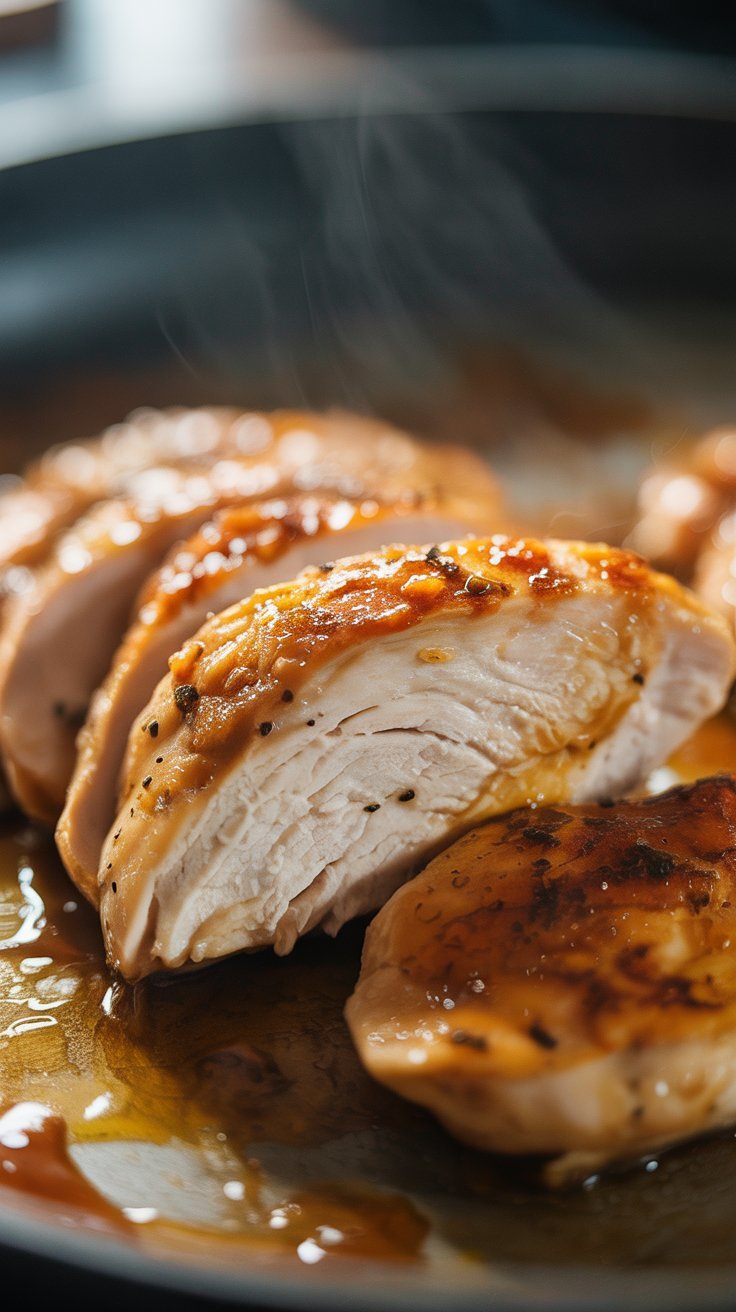
Why You Need a Chicken Breast Calculator
Calculating chicken breast quantities requires understanding multiple factors beyond simple headcount. Chicken breasts vary dramatically in size, with individual pieces ranging from small 4-ounce portions to massive 12-ounce breasts. Additionally, cooking method, meal context, and guest demographics all impact how much chicken you should prepare.
The Chicken Breast Sizing Challenge
Modern chicken breeding practices have resulted in increasingly larger chicken breasts over recent decades. According to the National Chicken Council, Americans consume approximately 104 pounds of chicken per person annually, making it the most popular protein in the United States. This popularity has driven producers to breed larger birds with bigger breasts, meaning today’s average chicken breast weighs significantly more than those from 20 years ago.
Store-bought chicken breasts typically weigh between 6 and 10 ounces, though some can reach 12 ounces or more. The USDA defines a standard serving as 3 to 4 ounces of cooked meat, which represents roughly half of an average raw chicken breast. However, most Americans expect and consume larger portions, making one full breast the practical serving size for adults.
🍫 The Ultimate No-Bake Dessert Ebook 🍓
30 mouthwatering no-bake recipes you can whip up in minutes — creamy cheesecakes, fruity parfaits, chocolatey bars, and more!
- ⚡Quick & easy — no oven required
- 📖30 recipes + bonus treat
- 🍓Chocolate, fruit, nutty & refreshing flavors
- ✨Beautifully designed, instant download
Chicken Breast Per Person Calculator
Calculate Your Chicken Breast Quantity
Pro Cooking Tips
Understanding Chicken Breast Serving Sizes
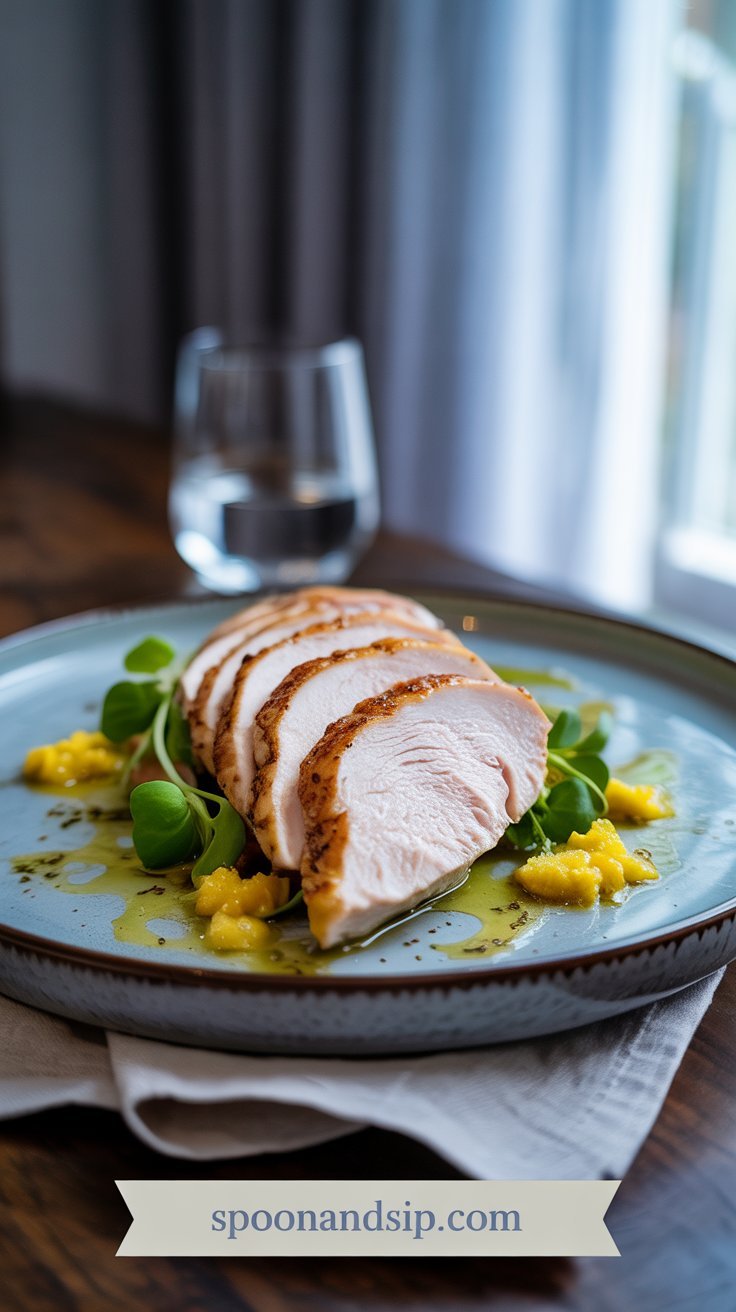
The USDA establishes serving size guidelines to help Americans make informed nutritional decisions. According to nutrition experts at Livestrong, a typical chicken breast serving consists of about 3 ounces of cooked meat, roughly the size of a deck of cards or the palm of your hand. However, this USDA recommendation represents a baseline nutritional serving rather than what most people actually consume in a single meal.
USDA Guidelines vs Real-World Portions
The U.S. Department of Health and Human Services recommends consuming 5.5 ounces of protein foods daily for a standard 2,000-calorie diet. This total daily protein allowance doesn’t mean eating 5.5 ounces in one sitting. Instead, nutritionists suggest splitting protein intake across multiple meals. However, when chicken breast serves as the main protein at dinner, most people consume 6 to 8 ounces in that single meal.
| Serving Context | USDA Guideline | Practical Portion | Recommendation |
|---|---|---|---|
| Main Dish | 3-4 oz cooked | 6-8 oz raw | 1 full breast per adult |
| With Multiple Sides | 3-4 oz cooked | 5-6 oz raw | 3/4 to 1 breast per adult |
| Pasta/Casserole | 2-3 oz cooked | 3-4 oz raw | 1/2 breast per adult |
| Salad Topping | 2-3 oz cooked | 3-4 oz raw | 1/2 breast per adult |
| Children’s Portion | 1.5-2 oz cooked | 3-4 oz raw | 1/2 breast per child |
Chicken Breast Anatomy and Quality
Understanding chicken breast anatomy helps you make informed purchasing decisions and prepare it properly. Each chicken has one breast divided into two halves that are separated and sold as individual chicken breasts. The chicken breast comes from the pectoral muscle, making it naturally lean with minimal fat compared to dark meat cuts like thighs and drumsticks.
Boneless vs Bone-In Chicken Breasts
Grocery stores offer chicken breasts in two primary forms: boneless skinless breasts and bone-in split breasts with skin. Boneless skinless breasts dominate retail sales due to convenience and versatility. These ready-to-cook portions require no trimming and cook quickly using various methods.
Split Breast Considerations
Bone-in split breasts include the breastbone, rib cage portion, and skin, weighing approximately 11 to 16 ounces total. The bone and skin add substantial weight, meaning you need to account for roughly 8 ounces per person when purchasing split breasts. The skin provides flavor and moisture protection during cooking but adds significant fat. Many home cooks prefer split breasts for roasting and grilling, then remove the skin before serving to reduce fat intake.
Chicken Breast Size Variations
Modern chicken breasts exhibit remarkable size variation based on the bird’s age, breed, and feed. According to food science experts, boneless skinless chicken breasts typically weigh between 6 and 10 ounces on average, though some reach 12 ounces or more. This wide range complicates portion planning, as three people could theoretically share two large breasts or each require their own small breast.
Protein Content and Nutritional Benefits
Chicken breast stands as one of the leanest, most protein-dense foods available. The National Chicken Council reports that a standard 3.5-ounce serving provides 31 grams of protein along with just 165 calories. This exceptional protein-to-calorie ratio makes chicken breast ideal for muscle building, weight management, and athletic performance.
Complete Protein Source
Chicken breast qualifies as a complete protein, meaning it contains all nine essential amino acids your body cannot produce independently. These amino acids support muscle growth, brain function, immune health, and countless metabolic processes. A typical 6-ounce chicken breast delivers approximately 53 grams of protein, nearly meeting the entire daily protein requirement for most adults in a single serving.
Chicken Breast Benefits
- Exceptionally high protein content (31g per 3.5 oz)
- Very low in fat and calories when skinless
- Rich in B vitamins for energy metabolism
- Contains selenium and phosphorus for bone health
- Versatile for countless cooking methods and cuisines
- Budget-friendly compared to other proteins
Considerations
- Can dry out easily when overcooked
- Less flavor than dark meat cuts
- Requires proper food safety handling
- Lower in certain minerals than dark meat
- Needs seasoning or marinade for best taste
- Size inconsistency complicates cooking
Cooking Methods for Perfect Chicken Breasts
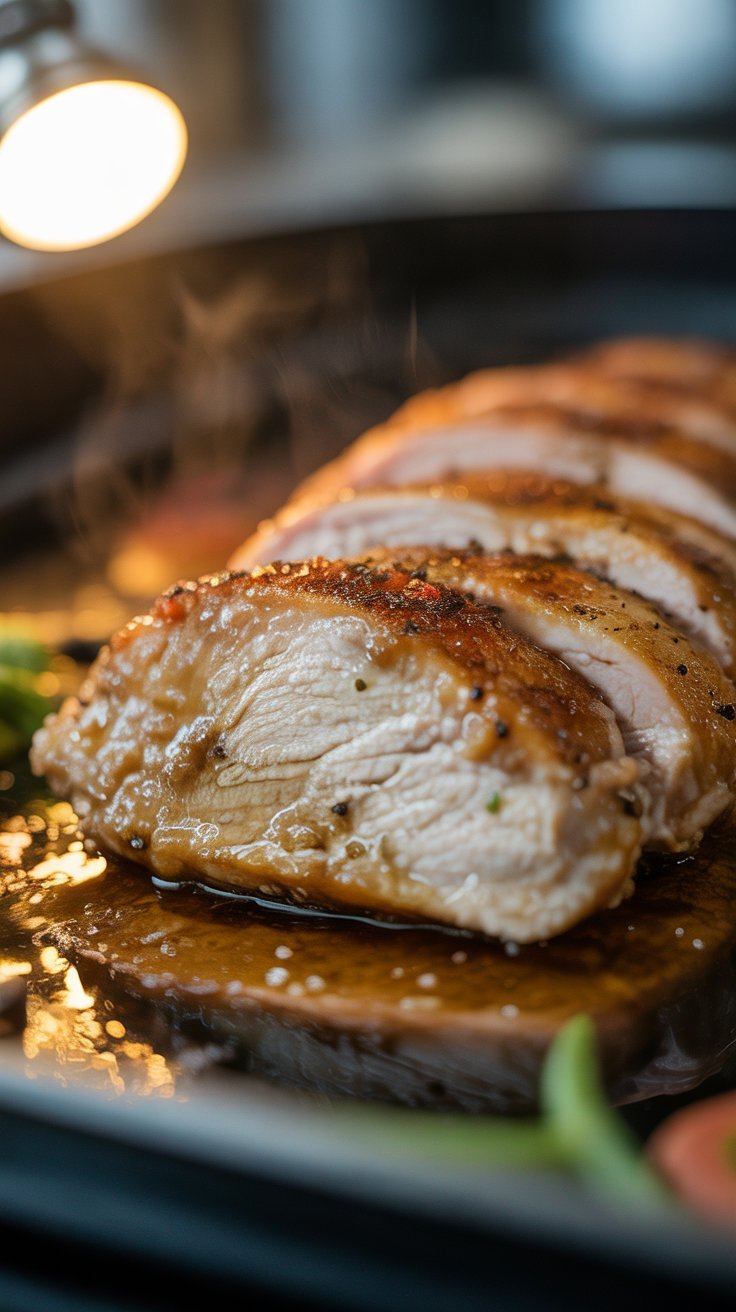
Proper cooking technique transforms chicken breast from bland and dry to juicy and flavorful. The key lies in avoiding overcooking while ensuring food safety. According to the USDA Food Safety and Inspection Service, all poultry should reach a minimum internal temperature of 165 degrees Fahrenheit as measured with a food thermometer.
Grilling Chicken Breasts
Grilling creates appealing char marks and smoky flavor while keeping chicken breasts moist when done properly. Preheat your grill to medium-high heat (400 to 450 degrees Fahrenheit) and oil the grates to prevent sticking. For even cooking, pound thicker breasts to uniform thickness or butterfly them. Grill for 6 to 8 minutes per side, resisting the urge to flip frequently. The chicken is ready when an instant-read thermometer inserted into the thickest part reads 165 degrees Fahrenheit.
Baking and Roasting
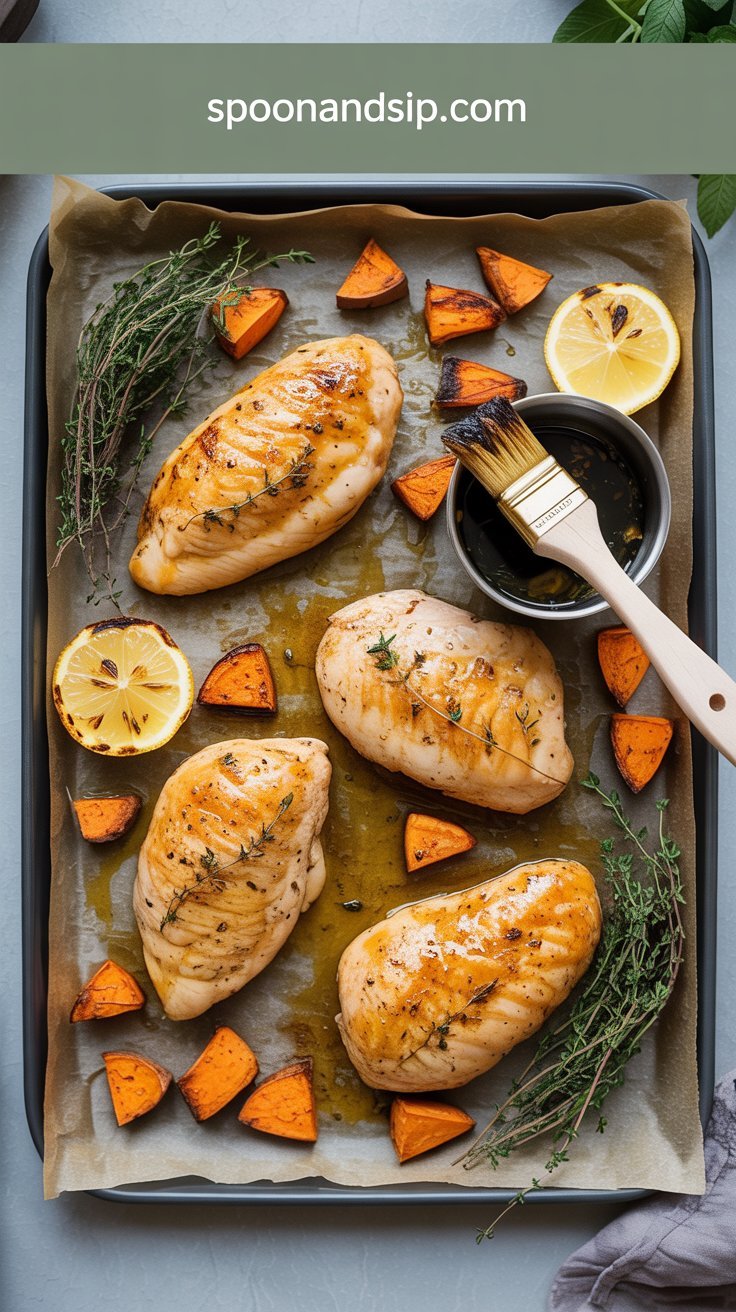
Oven-baking offers hands-off convenience and consistent results for cooking multiple chicken breasts simultaneously. Preheat your oven to 375 to 400 degrees Fahrenheit. Season breasts generously and arrange them in a single layer in a baking dish. Bake for 20 to 30 minutes depending on thickness, checking temperature at the 20-minute mark. Let rest for 5 minutes before slicing to allow juices to redistribute.
Pan-Searing Technique
Pan-searing creates a golden, flavorful crust while maintaining interior moisture. Heat a heavy skillet over medium-high heat with oil or butter. Pat chicken breasts completely dry and season both sides. Sear for 6 to 7 minutes on the first side without moving, then flip and cook for another 5 to 6 minutes. The crust develops through the Maillard reaction, which requires dry surface and high heat. Finish thinner breasts entirely on the stovetop, or transfer thicker ones to a 400-degree oven for even cooking.
Air Frying for Crispy Results
Air fryers have revolutionized home chicken cooking by producing crispy exteriors without deep frying. Preheat your air fryer to 375 degrees Fahrenheit. Lightly coat chicken breasts with oil spray and seasonings. Air fry for 10 minutes, flip, then continue cooking for 8 to 10 more minutes until reaching 165 degrees Fahrenheit internal temperature. The circulating hot air creates satisfying texture while using minimal oil.
Meal Planning and Portion Strategies
Strategic meal planning maximizes your chicken breast purchase while minimizing waste. Understanding how meal context affects portions helps you buy appropriate quantities for different dining scenarios.
Weeknight Family Dinners
For standard weeknight dinners with multiple side dishes, plan on one medium chicken breast (6 to 8 ounces) per adult and half a breast per child. If serving particularly hungry teenagers, count them as adults. A family of four (two adults, two children) typically requires three to four chicken breasts. Always err on the side of slightly more, as leftover chicken breast makes excellent lunches.
Meal Prep and Batch Cooking
Meal preppers often cook multiple chicken breasts at once for use throughout the week. When batch cooking, calculate 1.5 chicken breasts per person for the week, accounting for lunches and dinners. This approach ensures variety across meals while maintaining portion control. Store cooked chicken breasts in airtight containers for up to four days refrigerated or three months frozen.
| Guests | Main Dish | With Sides | Mixed Dishes |
|---|---|---|---|
| 2 Adults | 2 breasts | 2 breasts | 1 breast |
| 4 Adults | 4 breasts | 3-4 breasts | 2 breasts |
| 6 Adults | 6 breasts | 5-6 breasts | 3 breasts |
| 8 Adults | 8 breasts | 6-8 breasts | 4 breasts |
| 10 Adults | 10 breasts | 8-10 breasts | 5 breasts |
Handling Large Chicken Breasts
Oversized chicken breasts present cooking challenges due to uneven thickness and extended cooking times. Several techniques help manage these jumbo portions effectively.
Butterflying Technique
Butterflying large chicken breasts creates two equal portions from one oversized piece. Place the breast on a cutting board, position your non-cutting hand flat on top, and use a sharp knife to slice horizontally through the middle, stopping about half an inch from the far edge. Open the breast like a book for even cooking, or cut completely through to separate into two pieces. This technique promotes faster, more uniform cooking and better portion control.
Pounding for Uniform Thickness
Chicken breasts naturally taper from thick at one end to thin at the other. Pounding them to uniform thickness ensures even cooking throughout. Place the breast between two pieces of plastic wrap or in a resealable bag. Use a meat mallet or heavy pan to gently pound the thicker end until the entire breast measures about 3/4 inch thick. Uniform thickness prevents dry edges while the center finishes cooking.
Side Dishes and Menu Planning
The quantity and type of side dishes significantly impact how much chicken breast you need per person. A well-balanced plate includes protein, starch, and vegetables, allowing you to reduce meat portions without anyone feeling shortchanged.
Classic Chicken Breast Pairings
Traditional accompaniments include roasted vegetables, rice pilaf, mashed potatoes, and fresh salads. When serving two to three substantial sides, you can reduce chicken breast portions by 15 to 20 percent. For example, if you’d typically serve one 8-ounce breast per person, you can comfortably serve 6 to 7 ounces when accompanied by hearty sides.
Popular pairings include garlic parmesan pasta, roasted Brussels sprouts, and Caesar salad. Calculate side dish quantities using our specialized tools like the green beans calculator or coleslaw calculator for accurate planning.
Food Safety and Storage
Proper handling of raw and cooked chicken breast prevents foodborne illness and maintains quality. Raw chicken can harbor harmful bacteria like Salmonella and Campylobacter that cause serious illness if not destroyed through proper cooking.
Safe Internal Temperature
The USDA mandates cooking all poultry to a minimum internal temperature of 165 degrees Fahrenheit measured with a food thermometer. Insert the thermometer into the thickest part of the breast, avoiding bone if present. At 165 degrees Fahrenheit, harmful bacteria die instantly, making the chicken safe to consume. Some chefs cook to slightly lower temperatures (150 to 160 degrees Fahrenheit) and hold the chicken at that temperature for several minutes to achieve pasteurization while maintaining moisture, though this requires precise temperature control.
Storage Guidelines
Store raw chicken breasts in the coldest part of your refrigerator (usually the bottom shelf) for up to two days in original packaging or three to four days if repackaged. For longer storage, freeze chicken breasts in airtight packaging for up to nine months. Thaw frozen chicken in the refrigerator, never at room temperature. Cooked chicken breasts last three to four days refrigerated or two to six months frozen when properly stored.
Common Chicken Breast Mistakes
Overcooking
The most common error involves cooking chicken breast past 165 degrees Fahrenheit, resulting in dry, tough meat. Chicken breast contains minimal fat, so overcooking squeezes out moisture, leaving unappetizing texture. Always use a meat thermometer and remove chicken from heat at 160 to 162 degrees Fahrenheit, as temperature continues rising during resting.
Skipping the Marinade or Brine
Lean chicken breast benefits enormously from marinating or brining before cooking. A simple brine (1/4 cup salt per quart of water) for 30 minutes to 2 hours helps chicken retain moisture during cooking. Marinades with acidic components (lemon juice, vinegar, yogurt) tenderize meat while adding flavor. Even a quick 15-minute marinade improves results dramatically.
Not Resting After Cooking
Cutting into chicken immediately after cooking causes juices to flood the cutting board instead of staying in the meat. Always rest cooked chicken breasts for 5 to 10 minutes loosely tented with foil. During resting, juices redistribute throughout the meat, resulting in more tender, moist chicken with every bite.
Related Protein Planning Calculators
Frequently Asked Questions About Chicken Breast Portions
Plan for one chicken breast per adult (6-8 ounces) when serving as the main protein. For children, half a breast (3-4 ounces) typically suffices. Adjust based on appetite levels and whether chicken is the meal’s centerpiece or part of a larger dish like pasta or salad. Hearty eaters may want up to 1.5 breasts, while those with multiple substantial sides can be satisfied with 3/4 breast per person. When cooking for a mixed group, calculate one breast per adult and one-half breast per child as your baseline, then add 10 to 20 percent extra for second servings and varying appetites.
The USDA recommends 3 to 4 ounces as a standard nutritional serving size of cooked chicken breast, roughly the size of a deck of cards or your palm. However, this represents a baseline nutritional guideline rather than what most people actually consume. In practice, most adults prefer 6 to 8 ounces of raw chicken breast (which cooks down to approximately 5 to 7 ounces) when it serves as the main protein at a meal. Store-bought chicken breasts typically weigh 6 to 10 ounces raw, making one breast a natural single serving for most people. For hearty appetites, 8 to 10 ounces or even a full large breast may be appropriate.
The USDA Food Safety and Inspection Service recommends cooking chicken breast to an internal temperature of 165 degrees Fahrenheit for food safety. At this temperature, harmful bacteria like Salmonella die instantly. Always use an instant-read meat thermometer inserted into the thickest part of the breast to verify doneness. Some experienced cooks remove chicken at 160 to 162 degrees Fahrenheit, allowing carryover cooking to bring it to 165 during resting. Never rely on visual cues like color or firmness alone, as these prove unreliable. Pink color can persist even in safely cooked chicken due to hemoglobin, while overcooked chicken may look perfect but taste dry. A thermometer provides the only accurate measure of safety and doneness.
A 3.5-ounce serving of skinless chicken breast provides approximately 31 grams of high-quality protein according to the National Chicken Council. This makes chicken breast one of the most protein-dense foods available. A typical 6-ounce chicken breast contains about 53 grams of protein, nearly meeting the entire daily protein requirement for most adults in a single serving. An 8-ounce breast delivers roughly 71 grams of protein. Chicken breast qualifies as a complete protein, containing all nine essential amino acids your body needs for muscle growth, repair, and countless metabolic functions. The exceptional protein-to-calorie ratio (with only 165 calories per 3.5 ounces) makes chicken breast ideal for athletes, weight management, and anyone prioritizing protein intake.
Yes, butterflying large chicken breasts offers multiple benefits. This technique creates two equal portions from one oversized breast, promoting even cooking and better portion control. Large breasts (over 8 ounces) often have one thick end and one thin end, leading to overcooked edges and undercooked centers. Butterflying solves this problem by creating uniform thickness. To butterfly, place your hand flat on top of the breast and use a sharp knife to slice horizontally through the middle, stopping about half an inch from the far edge. Open like a book for a single large, thin piece, or cut completely through for two separate portions. Butterflied chicken breasts cook faster and more evenly whether grilling, pan-searing, or baking.
Cooked chicken breast lasts three to four days when stored properly in the refrigerator. Place cooled chicken in airtight containers or wrap tightly with plastic wrap or aluminum foil. Store in the coldest part of your refrigerator (usually the bottom shelf in the back) at 40 degrees Fahrenheit or below. For longer storage, freeze cooked chicken breast in airtight packaging or freezer bags with air removed. Properly frozen chicken maintains quality for two to six months, though it remains safe indefinitely at 0 degrees Fahrenheit. Thaw frozen cooked chicken in the refrigerator overnight, never at room temperature. Reheat to 165 degrees Fahrenheit before consuming. Discard chicken that smells off, feels slimy, or shows any signs of mold.
Yes, you can safely cook chicken breast from frozen, though it requires approximately 50 percent longer cooking time than thawed chicken. The USDA approves cooking frozen chicken in the oven or on the stovetop, but not in slow cookers or microwaves where uneven cooking may occur. For best results, increase oven temperature slightly (to 400-425 degrees Fahrenheit) and plan for 30 to 45 minutes for frozen breasts versus 20 to 30 minutes for thawed. Always verify that chicken reaches 165 degrees Fahrenheit internal temperature throughout. However, for optimal texture and flavor, thawing chicken in the refrigerator overnight produces superior results. Thawed chicken allows for even seasoning, better browning, and more predictable cooking times.
Chicken breast dries out primarily from overcooking past 165 degrees Fahrenheit. Unlike dark meat with protective fat, lean breast meat contains minimal intramuscular fat, making it susceptible to moisture loss. When cooked beyond 165 degrees, proteins contract and squeeze out water, creating dry, tough texture. Additional drying factors include cooking at too high temperature, not using a meat thermometer, skipping marinades or brines that help retain moisture, and cutting into chicken immediately instead of resting it for 5 to 10 minutes. Prevention strategies include brining for 30 minutes to 2 hours before cooking, using moderate heat, pulling chicken from heat at 160-162 degrees Fahrenheit to account for carryover cooking, and always allowing proper resting time before slicing.
Ready to Plan Your Perfect Chicken Dinner?
Use our calculator above to determine exactly how many chicken breasts you need for your next meal. With precise calculations and expert guidance, you’ll confidently purchase the perfect amount for satisfied guests and delicious dinners.
Explore our complete collection of meal planning calculators and cooking guides to make every meal a success.
View All CalculatorsConclusion: Master Your Chicken Breast Planning
Calculating the right number of chicken breasts per person requires balancing multiple factors including guest demographics, meal context, breast size, and appetite levels. The fundamental guideline remains straightforward: one chicken breast per adult and half a breast per child when serving chicken as the main protein. However, successful planning demands considering USDA serving sizes versus real-world portions, cooking method impact on yield, and the role of side dishes in meal satisfaction.
Chicken breast stands as America’s most popular protein for excellent reasons. It delivers exceptional protein density with minimal fat and calories, providing 31 grams of complete protein per 3.5-ounce serving. This lean cut suits countless cooking methods from grilling and baking to pan-searing and air frying, making it endlessly versatile for weeknight dinners, meal prep, and special occasions. Understanding proper portion sizes ensures you purchase appropriate quantities, avoiding both waste from overbuying and disappointment from running short.
The key to chicken breast success lies in accurate portion calculation, proper cooking technique, and food safety awareness. Use our calculator to determine quantities based on your specific situation, invest in a quality instant-read thermometer to prevent overcooking, and follow USDA guidelines for safe handling and storage. With these tools and knowledge, your chicken breast dinners will consistently deliver the tender, juicy, flavorful results that make this protein a household staple, satisfying guests while maximizing your grocery budget and minimizing waste.