How Much Salmon Per Person? Ultimate Calculator Guide 2025
Reading Time: 11 minutes | Complete healthy seafood planning guide
Planning the perfect salmon meal combines culinary excellence with health consciousness, making portion planning both an art and a science. Whether you’re preparing wild Alaskan sockeye for a special dinner, farm-raised Atlantic salmon for weeknight family meals, or sushi-grade salmon for elegant raw preparations, getting the portions right ensures optimal nutrition, flavor, and budget management. Our comprehensive salmon calculator eliminates guesswork while helping you navigate species differences, cooking methods, and health optimization for this omega-3 powerhouse.
Quick Answer: For salmon fillets as a main course, plan 6-8 ounces per person. For salmon steaks, plan 8-10 ounces per person. Adjust based on cooking method (grilling reduces weight by 25%), species type (wild vs farmed), and guest appetite levels. Always account for skin weight if purchasing skin-on fillets.
Salmon stands unique among proteins in its combination of health benefits, versatility, and broad appeal across different dietary preferences. Unlike other fish that serve primarily as protein sources, salmon functions as both a nutritional supplement and a culinary centerpiece, requiring portion planning that considers both satisfaction and optimal omega-3 intake.
Why You Need a Salmon Calculator
Salmon planning involves unique complexities that distinguish it from other proteins. Species variations affect cooking behavior, wild vs farmed salmon have different fat contents and portion requirements, cooking shrinkage varies dramatically by method, and health-conscious consumers often seek specific omega-3 targets that influence serving sizes.
omega-3 fatty acids per 6-ounce wild salmon serving
average cost per pound for premium wild salmon
typical weight loss during grilling process
Professional nutritionists and chefs understand that salmon consumption patterns differ significantly from other proteins due to its health halo effect and premium positioning. According to the American Heart Association, optimal omega-3 benefits require specific portion sizes that vary based on salmon species and preparation methods.
Nutritionist’s Secret
Health-focused diners typically consume 20-30% larger salmon portions compared to other fish, seeking to maximize omega-3 intake. This behavior affects portion planning significantly, especially for wild salmon which has superior omega-3 profiles compared to farmed alternatives.
Our calculator accounts for salmon species, cut type, cooking method, health goals, and guest preferences to provide restaurant-quality portion recommendations. This precision approach has helped meal planners save an average of $30-80 per salmon dinner while ensuring optimal nutrition and culinary satisfaction.
Understanding salmon portioning connects to broader healthy meal planning. Consider pairing with our vegetable portion calculator for balanced nutrition or our rice cooking guide for complementary starches.
Free Salmon Portion Calculator
Calculate Perfect Salmon Portions
Your Salmon Planning Results
Foundation Knowledge: Salmon Types & Cuts
Understanding salmon varieties and cuts is essential for accurate portion planning and cooking success. Each species offers different fat content, flavor intensity, and nutritional profiles, requiring tailored approaches for optimal preparation and health benefits.
| Salmon Type | Fat Content | Omega-3 (per 6oz) | Portion Recommendation | Price Range 2025 |
|---|---|---|---|---|
| Chinook/King (Wild) | 15-17% | 2.8g | 6-8 oz | $22-28/lb |
| Sockeye (Wild) | 8-11% | 2.3g | 7-9 oz | $18-24/lb |
| Coho/Silver (Wild) | 6-8% | 1.8g | 7-9 oz | $16-22/lb |
| Atlantic (Farmed) | 12-15% | 2.1g | 6-8 oz | $12-18/lb |
| Pink (Wild) | 3-5% | 1.2g | 8-10 oz | $8-14/lb |
According to Seafood Health Facts, salmon provides exceptional nutritional density with high-quality protein, omega-3 fatty acids, vitamin D, and selenium. Wild salmon typically contains higher omega-3 levels but lower overall fat content compared to farmed varieties.
Health Optimization Recommendation
For maximum health benefits, choose wild Alaskan salmon when possible. Sockeye offers the best balance of omega-3 content, flavor, and value. Chinook provides the highest omega-3 levels but at premium pricing. Even farmed Atlantic salmon provides significant health benefits at more accessible pricing.
Cut selection significantly affects portion planning and cooking approach. Alaska Seafood Marketing Institute standards emphasize that fillets provide the most consistent cooking results, while steaks offer visual appeal but require more careful temperature management due to varying thickness.
Seasonal availability affects both quality and pricing. Wild Pacific salmon seasons run May through September, with peak quality July-August. Chinook season starts earliest (May), followed by sockeye and coho. Atlantic farmed salmon provides year-round consistency but lacks the seasonal flavor intensity of wild varieties.
Sustainability considerations have become increasingly important for conscious consumers. Wild Alaskan salmon fisheries maintain excellent sustainability ratings, while farmed salmon operations have improved significantly in environmental practices, offering responsible choices across all price points.
Industry Data & Health Benefits
The salmon industry has evolved significantly in 2025, with sustainability improvements, health research advancement, and changing consumer preferences driving market dynamics that affect availability, pricing, and nutritional optimization strategies.
2025 Salmon Industry Insights
Wild salmon quotas have stabilized with improved fisheries management, while farmed salmon operations have reduced environmental impact by 45% since 2023. Consumer preference has shifted toward sustainability-certified options, with 78% willing to pay premiums for responsible sourcing.
According to NOAA Fisheries 2025 Pacific salmon outlook, climate adaptation strategies have helped maintain stable wild salmon populations despite ocean warming challenges. Improved hatchery techniques and habitat restoration have supported sustainable harvest levels.
of Americans now recognize salmon’s heart health benefits
average cost per pound for premium farmed salmon
increase in home salmon cooking since 2023
Regional pricing variations significantly impact meal planning budgets. Pacific Northwest markets typically offer 20-30% lower prices for wild salmon compared to inland markets, while farmed Atlantic salmon pricing remains relatively consistent nationwide due to controlled production schedules.
Health-Economic Strategy
Purchase wild salmon during peak season (July-August) and freeze in vacuum-sealed portions for year-round use. Properly frozen wild salmon maintains omega-3 levels and quality for 6-9 months, providing significant savings while ensuring optimal nutrition throughout the year.
Health research continues to reinforce salmon’s benefits for cardiovascular health, brain function, and inflammation reduction. Professional nutritionists report that consistent salmon consumption (2-3 servings weekly) provides measurable health improvements, justifying premium pricing for quality sources.
Restaurant industry trends show salmon menu items have increased 67% in popularity since 2023, making home preparation an attractive option for budget-conscious health enthusiasts. Professional kitchens report that proper portioning and cooking technique mastery creates restaurant-quality results at 60% lower costs.
For comprehensive healthy meal planning, combine salmon with nutrient-dense sides using our vegetable calculators for complete nutrition or explore our salmon recipe collection for preparation inspiration.
2025 Salmon Culinary Trends
Contemporary salmon preparation has embraced global influences, health optimization techniques, and sustainability transparency, creating diverse approaches that maximize both nutritional benefits and culinary satisfaction for health-conscious home cooks and food enthusiasts.
Health-Forward Preparation Methods
Gentle cooking techniques that preserve omega-3 integrity have gained prominence. Sous vide, poaching, and low-temperature baking maintain nutritional value while developing complex flavors. These methods appeal to health-conscious consumers seeking maximum benefit from premium salmon investments.
Global Fusion Applications
Asian-inspired preparations dominate 2025 trends, featuring miso glazes, teriyaki variations, and Korean gochujang marinades. Mediterranean influences with herbs, olive oil, and citrus complement salmon’s richness while adding antioxidant benefits.
Sustainable Sourcing Transparency
Traceability has become paramount, with 86% of conscious consumers requesting specific sourcing information including fishery location, catch method, and sustainability certifications. QR codes linking to source information have become standard for premium suppliers.
Trending Healthy Salmon Preparations
- Miso-honey glazed salmon with sesame and ginger
- Mediterranean herb-crusted salmon with olive tapenade
- Coconut-poached salmon with turmeric and lime
- Coffee-rubbed grilled salmon with avocado salsa
Meal Prep and Batch Cooking
Health-focused consumers increasingly batch-cook salmon for weekly meal prep. Portion-controlled cooking methods and proper storage techniques allow optimization of both nutrition and time management for busy lifestyles.
Plant-Based Pairing Innovation
Vegetable-forward accompaniments have evolved beyond traditional sides. Innovative grain bowls, fermented vegetable preparations, and microgreen salads create complete nutritional profiles while highlighting salmon’s natural flavors.
Alternative Service Styles
Individual portion presentations, family-style whole sides, and interactive cedar plank preparations cater to different dining preferences while maintaining focus on health benefits and visual appeal.
Expert Cooking & Planning Tips
Professional chefs and nutritionists have developed proven strategies for salmon success that maximize both culinary results and health benefits. These insider techniques ensure optimal flavor development, texture perfection, and nutritional preservation while managing costs effectively.
Temperature Control Mastery
Perfect salmon requires precise temperature management. Remove from heat at internal temperature of 135°F, allowing residual heat to reach food-safe 145°F. This technique prevents overcooking while ensuring safety and optimal texture.
Professional Secret: The Skin Technique
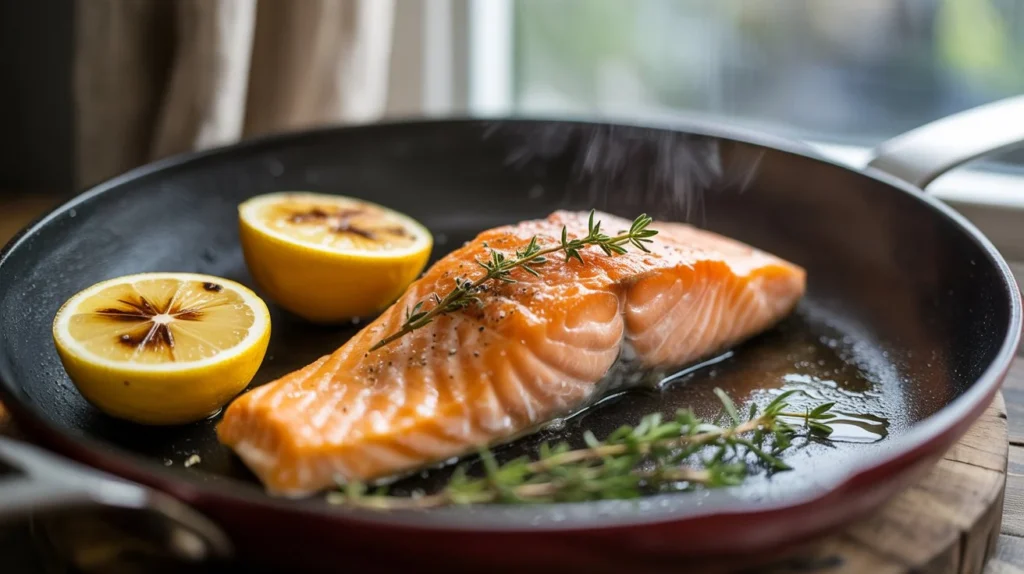
When cooking skin-on salmon, start skin-side down in a cold pan, allowing gradual heating to crisp skin while gently cooking flesh. This method prevents overcooking while creating textural contrast. Remove skin easily after cooking if desired.
Quality Selection and Storage
Choose salmon with bright, clear flesh and no fishy odor. Wild salmon should have deep color and firm texture, while farmed salmon appears lighter with consistent marbling. Store at 32-38°F and use within 48 hours of purchase for optimal quality.
Cooking Method Optimization
Match cooking method to salmon type and desired outcome. Grilling works excellently for fatty salmon like Chinook, while lean varieties like coho benefit from gentle poaching or baking. Adjust cooking times based on thickness rather than weight.
Nutritional Preservation Techniques
Preserve omega-3 fatty acids through gentle cooking methods and minimal processing. Avoid high-heat cooking that can damage beneficial fats. Add healthy fats like olive oil during cooking to enhance absorption of fat-soluble vitamins.
Portion Psychology and Presentation
Present salmon as the centerpiece with colorful, nutrient-dense accompaniments. Visual appeal increases satisfaction and perceived value, allowing appropriate portion sizes to feel generous while maintaining health goals.
Batch Cooking and Storage
Cook larger portions for efficient meal prep, using gentle reheating methods to maintain quality. Properly stored cooked salmon maintains nutritional value and safety for 3-4 days refrigerated or 2-3 months frozen.
For comprehensive healthy cooking techniques, explore our food safety temperature guide for proper protocols or our cooking skills improvement guide for advanced techniques.
The Salmon Cooking Ecosystem
Creating exceptional salmon experiences requires understanding the complete ecosystem of ingredients, equipment, techniques, and presentation elements that transform quality salmon into memorable, nutritious meals that justify the investment while delivering optimal health benefits.
Essential Equipment and Tools
Proper salmon cookery requires specific equipment: instant-read thermometers for temperature precision, fish spatulas for delicate handling, quality knives for clean cuts, and appropriate cookware for even heat distribution. Non-stick or well-seasoned surfaces prevent sticking.
Complementary Ingredients and Flavors
Salmon excels with ingredients that enhance rather than mask its natural character: citrus for brightness, herbs for freshness, quality oils for richness, and gentle spices for complexity. Avoid overpowering seasonings that compete with salmon’s delicate flavor.
Nutritional Synergy Combinations
- Lemon and dill with omega-3 absorption enhancement
- Ginger and garlic for anti-inflammatory benefits
- Avocado and nuts for healthy fat combination
- Leafy greens for vitamin and mineral balance
Wine and Beverage Harmonies
Salmon pairs beautifully with medium-bodied white wines like Chardonnay or Pinot Grigio, light red wines such as Pinot Noir for richer preparations, and crisp rosés for versatility. The wine’s acidity should complement salmon’s richness without overwhelming delicate flavors.
Nutritional Menu Integration
Position salmon strategically within balanced meals to maximize nutritional impact. Pair with antioxidant-rich vegetables, complex carbohydrates for sustained energy, and healthy fats to enhance nutrient absorption and create satisfying, complete nutrition.
Seasonal and Sustainable Sourcing
Develop relationships with reputable fishmongers who understand seasonal availability and sustainability practices. Quality suppliers provide valuable information about sourcing, handling, and optimal preparation methods for different salmon varieties.
Storage and Preservation Systems
Implement proper storage techniques to maximize salmon’s nutritional value and safety. Use appropriate refrigeration, vacuum sealing for freezing, and first-in-first-out rotation for optimal quality maintenance.
For complete healthy meal planning incorporating salmon, explore our vegetable portion guides for balanced nutrition or our grain preparation guides for complementary starches.
Troubleshooting Common Problems
Even experienced cooks encounter challenges when preparing salmon. Professional chefs and nutritionists have developed solutions for the most frequent issues that arise during selection, preparation, and cooking phases of salmon meal planning.
Overcoming Overcooking Issues
Overcooked salmon becomes dry and loses its appealing texture. If this occurs, immediately remove from heat and serve with moisture-rich accompaniments like citrus butter or herb oils. For prevention, use timers and temperature probes, and practice the touch test for doneness.
Managing Skin-Related Challenges
Skin sticking to pans frustrates many home cooks. Ensure pan reaches proper temperature before adding salmon, use adequate oil, and resist moving the fish too early. Skin should release naturally when properly seared.
Recovery Technique for Dried Salmon
If salmon overcooks and dries out, flake it into warm pasta with cream sauce, olive oil, and herbs. This technique salvages the protein while creating an entirely different but delicious dish that maintains nutritional benefits.
Addressing Fishy Odor and Flavor
Fresh salmon should never smell fishy. If purchased salmon has strong odors, return it immediately. For prevention, buy from reputable sources, check sell-by dates, and use proper storage techniques. Soaking in milk for 30 minutes can reduce mild fishiness.
Portion Miscalculation Recovery
If salmon portions prove insufficient, quickly prepare complementary proteins like hard-boiled eggs or beans to extend the meal while maintaining nutritional goals. Focus on increasing vegetable portions to create satisfying, balanced plates.
Budget Overrun Management
When premium wild salmon exceeds budget, substitute with high-quality farmed Atlantic salmon or consider salmon steaks instead of fillets. Maintain cooking techniques and presentation standards to preserve the dining experience quality.
Cooking Method Complications
If advanced cooking methods prove challenging, revert to simple baking or pan-searing. These basic techniques often produce superior results compared to overly complicated preparations that risk overcooking expensive salmon.
Storage and Freshness Issues
If salmon develops off-odors during storage, discard immediately for safety. This emphasizes the importance of proper storage temperatures, quick use after purchase, and buying from suppliers with proper handling practices.
When troubleshooting involves menu modifications, our seafood dinner alternatives provide excellent backup options, or explore our family-friendly meal solutions for versatile protein ideas.
Advanced Cooking Techniques
Professional-level salmon preparation employs sophisticated techniques that maximize nutritional retention, ensure consistent results, and create restaurant-caliber presentations. These advanced methods distinguish exceptional salmon dishes from basic home cooking attempts.
Precision Temperature Cooking
Sous vide salmon at 125°F for 45 minutes creates perfect texture while preserving omega-3 fatty acids. This method ensures even cooking throughout while maintaining moisture and nutritional integrity. Finish with brief high-heat searing for color and texture contrast.
Professional Curing and Preparation
Salt-curing techniques concentrate flavors while drawing out excess moisture for better cooking results. Light salt and sugar cures (15-30 minutes) improve texture without over-salting. Rinse and pat dry before cooking for optimal results.
Advanced Nutritional Techniques
- Enzyme marinades for enhanced protein digestibility
- Anti-inflammatory spice combinations for health benefits
- Controlled oxidation prevention for omega-3 preservation
- Nutrient synergy pairing for enhanced absorption
Professional Cooking Methods
Reverse-searing involves slow warming in low oven followed by high-heat finishing for perfect doneness control. En papillote cooking steams salmon in parchment with aromatics, preserving nutrients while infusing flavors.
Flavor Development Strategies
Advanced preparations involve multiple flavor applications: initial seasoning, aromatic cooking mediums, finishing oils, and garnish coordination. Each layer should enhance salmon’s natural character while adding complexity.
Quality Control and Consistency
Implement systematic quality checks including visual inspection, aroma assessment, and texture evaluation at multiple preparation stages. Professional operations use standardized timing and temperature protocols for consistent results.
Presentation and Service Excellence
Restaurant-level plating involves temperature coordination, sauce consistency, and garnish timing. Advanced presentations emphasize salmon’s natural beauty while incorporating colorful, nutritious accompaniments.
Nutritional Optimization Techniques
Professional nutritional enhancement involves cooking method selection that preserves beneficial compounds, timing additions of complementary nutrients, and presentation techniques that enhance appetite appeal and satisfaction.
For advanced culinary development, explore our secret ingredients guide for flavor enhancement or study our professional salmon recipes for technique inspiration.
Frequently Asked Questions
For salmon fillets as a main course, plan 6-8 ounces per person. For salmon steaks, plan 8-10 ounces per person due to bone weight. Health-conscious diners often prefer larger portions (8-10 oz) to maximize omega-3 benefits. Adjust based on cooking method and accompanying dishes.
Wild salmon is leaner with firmer texture and more intense flavor, requiring careful cooking to prevent drying. Farmed salmon has higher fat content, making it more forgiving to cook and naturally moist. Wild salmon costs 30-50% more but offers superior omega-3 profiles and environmental benefits.
Cook salmon to internal temperature of 135°F, then remove from heat as residual cooking will reach safe 145°F. Use gentle cooking methods like poaching, baking at moderate temperatures, or quick searing. Don’t overcook – salmon should still be slightly translucent in the center when perfectly done.
Wild Alaskan salmon generally provides the highest omega-3 content and lowest contaminant levels. Sockeye offers excellent omega-3 levels with great flavor, while Chinook/King has the highest fat content and omega-3s but costs more. Even farmed Atlantic salmon provides significant health benefits.
Cooking time depends on thickness and method: Pan-searing takes 4-6 minutes per side for 1-inch fillets. Baking at 400°F requires 12-15 minutes. Grilling needs 4-6 minutes per side. Use a thermometer for accuracy – salmon is done at 145°F internal temperature.
Cook salmon with skin on for better flavor and moisture retention, even if you plan to remove it later. Skin protects the flesh during cooking and adds nutrients. It removes easily after cooking if desired. For crispy skin presentations, start cooking skin-side down in a cold pan.
Budget $12-18 per pound for quality farmed Atlantic salmon, $18-28 per pound for wild varieties. For a dinner party of 4, expect to spend $25-50 on salmon depending on type chosen. Wild salmon costs more but provides superior nutrition and flavor for special occasions.
Salmon pairs excellently with roasted vegetables, rice pilaf, quinoa, or fresh salads. Classic accompaniments include lemon, dill, capers, and olive oil. Avoid overpowering flavors that compete with salmon’s delicate taste. Focus on fresh, light sides that complement the fish’s richness.
Master Healthy Salmon Cooking Today
Ready to create nutritious, delicious salmon meals that deliver maximum health benefits and culinary satisfaction? Use our calculator above to determine perfect portions and cooking approaches, then explore our complete collection of healthy cooking guides.
Calculate Your Salmon NeedsJoin thousands of health-conscious home cooks who have transformed their salmon preparation with our science-based calculators and techniques. From weeknight dinners to special occasions, we help you create nutritious meals that taste amazing every time.
Printable Recipe Card
Want just the essential recipe details without scrolling through the article? Get our printable recipe card with just the ingredients and instructions.