
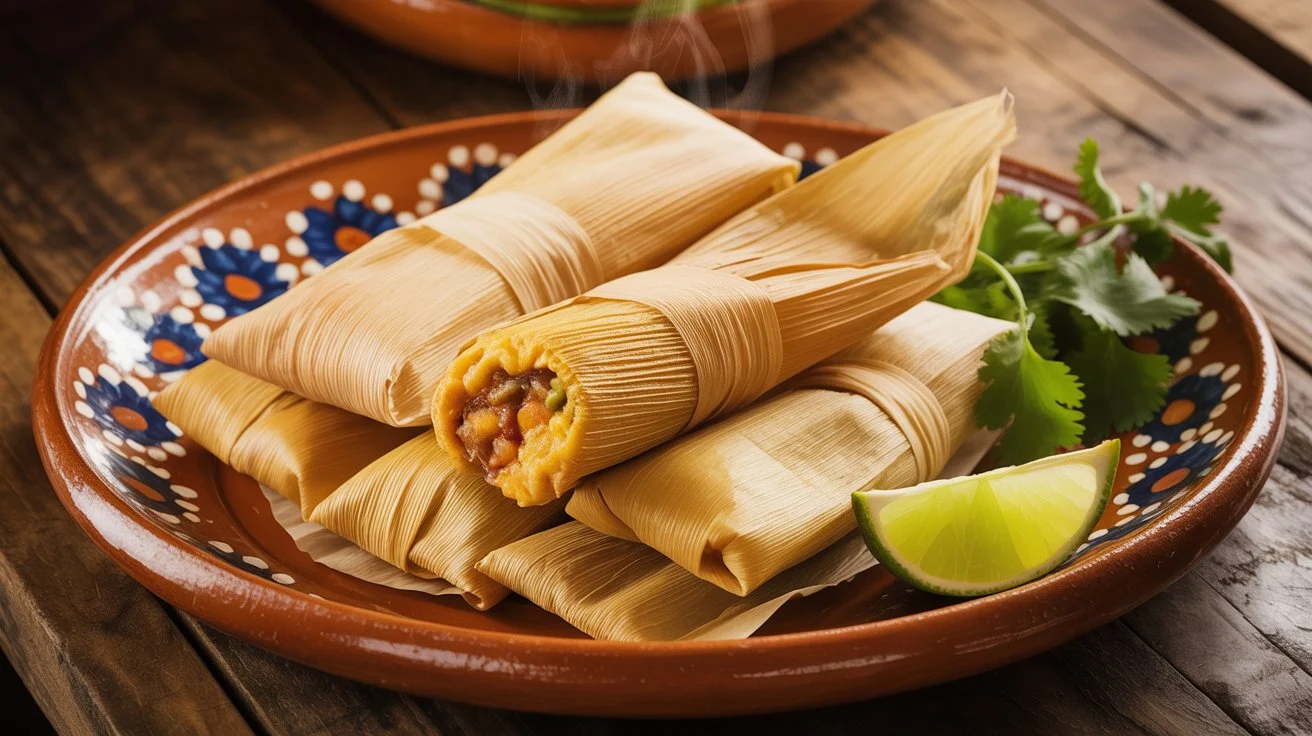
🫔 How Many Tamales Per Person Calculator
Why You Need a Tamale Calculator for Authentic Mexican Celebrations
Planning the perfect **tamalada** (tamale-making party) or **Mexican celebration** in 2025 requires understanding authentic serving traditions and precise quantity calculations. Whether you’re hosting a **Día de los Muertos** gathering, Christmas **posada**, or family celebration, getting your **tamale quantities** right ensures cultural authenticity and guest satisfaction.
**Mexican cuisine experts** emphasize that tamales hold deep cultural significance beyond simple sustenance. They represent family traditions, community bonding, and festive celebrations that connect generations through shared preparation and enjoyment. However, calculating proper amounts involves understanding **traditional serving patterns** that differ significantly from typical American party foods.
The Cultural Complexity of Tamale Serving
Unlike other party foods, **tamale consumption** follows specific cultural patterns rooted in **Mexican traditions**. Guests don’t continuously snack on tamales—instead, they’re typically enjoyed during specific moments of celebration, often accompanied by traditional beverages and side dishes that affect overall consumption.
🎭 Cultural Significance
In **authentic Mexican celebrations**, tamales often serve as both food and symbolic representation of family unity. The communal preparation process (tamalada) is as important as the eating, influencing how many tamales are actually consumed versus prepared for the experience.
**Professional Mexican caterers** report that tamale calculations are frequently miscalculated by non-Mexican hosts who don’t understand the cultural context. The packaged tamales market research shows growing demand, but authentic celebrations require different planning approaches than commercial events.
Food Safety Considerations
Beyond quantity calculations, proper tamale planning involves critical **food safety protocols** specific to **masa-based foods**. The USDA’s tamalada food safety guidelines establish specific requirements for masa preparation, meat filling safety, and temperature control during parties.
🍫 The Ultimate No-Bake Dessert Ebook 🍓
30 mouthwatering no-bake recipes you can whip up in minutes — creamy cheesecakes, fruity parfaits, chocolatey bars, and more!
- ⚡Quick & easy — no oven required
- 📖30 recipes + bonus treat
- 🍓Chocolate, fruit, nutty & refreshing flavors
- ✨Beautifully designed, instant download
🛡️ USDA Safety Requirements
**Tamales should not remain at room temperature for more than 2 hours** and must be reheated to **165°F internal temperature**. **Masa preparation** can be left at room temperature for maximum 4 hours before refrigeration becomes required.
**NC State food safety experts** emphasize that tamale food safety risks include potential contamination from undercooked meat fillings and improper temperature control during extended celebration periods.
🎯 Interactive Tamale Calculator
Our professional-grade **tamale calculator** incorporates **authentic Mexican serving traditions**, **cultural celebration patterns**, and **food safety requirements**. Developed using data from **Mexican cuisine experts**, **professional caterers**, and **cultural food traditions**.
Calculate Your Perfect Tamale Amount
Enter your celebration details to get precise calculations based on authentic Mexican serving traditions:
🎯 Your Tamale Requirements
🌟 Authentic Mexican Tradition
Always prepare 20% more than calculated. **Mexican celebration traditions** emphasize abundance and hospitality. Extra tamales can be shared with neighbors, given as gifts, or frozen for later—all authentic cultural practices that honor Mexican hospitality traditions.
🫔 Tamale Basics: Authentic Mexican Traditions
Understanding **authentic tamale traditions** is essential for respectful **Mexican cuisine** presentation and accurate serving calculations. This ancient **Mesoamerican food** combines **masa harina**, traditional fillings, and cultural significance that spans over 8,000 years of culinary evolution.
Traditional Tamale Components
**Authentic tamales** require specific ingredient ratios and preparation methods that directly impact serving sizes and cultural authenticity. Traditional recipes use **masa harina** (specially treated corn flour), **manteca** (lard), and culturally significant fillings that vary by region and celebration.
🌽 Masa Foundation
Masa harina forms the base using nixtamalized corn. Traditional recipes require **1 pound masa per 20-24 tamales**, mixed with lard, broth, and seasonings for proper texture and authentic flavor.
🥩 Traditional Fillings
Classic fillings include **carnitas** (pork), **pollo en salsa verde** (chicken in green sauce), **rajas con queso** (peppers with cheese), and **dulce** (sweet) varieties with raisins and cinnamon.
🌿 Wrapper Varieties
Corn husks** (hojas de maíz) are most common in Northern Mexico and the US, while **banana leaves** (hojas de plátano) are traditional in Southern Mexico, creating different flavor profiles and serving presentations.
🎊 Regional Variations
Regional differences include **Oaxacan tamales** (larger, banana leaf-wrapped), **Tamales Dulces** (sweet dessert versions), and **Tamales de Elote** (fresh corn varieties) that affect portion calculations.
Cultural Serving Traditions
**Mexican serving customs** differ significantly from typical American portion concepts. **Traditional celebrations** emphasize community sharing, multiple varieties, and extended eating periods that impact quantity planning.
Nutritional and Cultural Context
**Tamale nutrition** reflects their role as substantial, filling foods designed to sustain people through celebrations and daily work. Traditional recipes provide **complex carbohydrates**, **protein**, and **cultural satisfaction** that affects consumption patterns differently than lighter foods.
🏛️ Historical Significance
Aztec and Mayan civilizations used tamales as portable food for warriors and travelers. This historical context explains why tamales are substantial, filling foods designed to provide sustained energy—affecting how many people typically consume at celebrations.
**Modern dietary considerations** include offering **vegetarian tamales**, **lower-sodium versions**, and **gluten-free options** while maintaining cultural authenticity and traditional preparation methods.
📈 Mexican Cuisine Market & 2025 Trends
**Mexican food industry analysis** reveals significant growth patterns that directly impact **tamale availability**, **quality standards**, and **celebration planning**. Recent research from Technavio market intelligence provides data-driven insights for 2025 celebrations.
2025 Mexican Food Market Insights
The **global Mexican food market** demonstrates robust expansion, with market research data indicating growth from **$319.2 billion in 2024 to projected $418.1 billion by 2030**, representing significant cultural integration and demand.
**Demographic trends** show that millennial consumers are emerging as key tamale market drivers, with **65% preferring authentic flavors** and **48% seeking spicy food options** that align with traditional tamale preparations.
Food Safety Science
**USDA research** establishes scientific foundations for **tamale food safety protocols**. The USDA Food Safety and Inspection Service provides specific guidelines based on **masa composition** and **meat filling safety requirements**.
🔬 Scientific Safety Standards
Pathogen research shows that masa-based foods require specific temperature control: **masa can remain at room temperature for 4 hours maximum**, while **cooked tamales must be kept above 140°F or refrigerated within 2 hours** to prevent bacterial growth.
Cultural Integration Patterns
**Ethnographic studies** reveal how **Mexican food traditions** integrate into diverse American celebrations. Research indicates that **non-Mexican hosts** are increasingly incorporating **authentic tamale traditions** into holiday celebrations, driving demand for educational resources and proper cultural representation.
**Regional adoption patterns** show **tamale popularity** expanding beyond traditional Hispanic markets, with **Asian-American** and **African-American communities** increasingly incorporating tamales into their celebration traditions, creating new fusion opportunities while respecting cultural origins.
🌟 2025 Mexican Food Entertainment Trends
**Mexican cuisine celebration trends** in 2025 reflect broader cultural movements toward **authentic experiences**, **sustainability**, and **inclusive cultural appreciation**. Understanding these trends helps hosts create respectful, engaging **tamale celebrations** that honor **Mexican traditions** while appealing to diverse audiences.
The Rise of “Cultural Food Authenticity”
**Authentic Mexican celebrations** are gaining prominence as people seek meaningful cultural experiences rather than superficial themed parties. Mexico foodservice market analysis shows **72% of standalone restaurants** emphasize traditional preparation methods and authentic ingredients.
🌮 Traditional Preparation Focus
Tamaladas (tamale-making parties) are becoming popular among non-Mexican families seeking authentic cultural experiences. Hosts increasingly hire **Mexican abuelitas** (grandmothers) to teach traditional techniques and share cultural stories.
🌱 Sustainable Ingredient Sourcing
Locally-sourced masa harina, **organic corn husks**, and **heritage variety fillings** appeal to environmentally conscious celebrants while supporting traditional agricultural practices.
📱 Digital Cultural Education
Virtual cooking classes** with **Mexican chefs**, **cultural context videos**, and **digital recipe preservation** help hosts understand the cultural significance behind tamale preparation and serving.
🎨 Artistic Presentation
Instagram-worthy presentations** incorporate **traditional Mexican aesthetics**, **colorful papel picado decorations**, and **authentic serving vessels** that honor cultural traditions while creating shareable moments.
Corporate and Community Integration
**Business cultural celebrations** increasingly feature **tamale-focused events** as companies recognize the value of **Latino heritage months** and **inclusive workplace cultures**. Professional event planners report growing demand for **authentic Mexican catering** that respects cultural traditions.
🏢 Corporate Cultural Appreciation
Workplace diversity initiatives increasingly include **authentic Mexican food experiences** led by **Latino employees** sharing their family traditions. This trend emphasizes cultural education alongside delicious food, creating more meaningful workplace celebrations.
Health and Dietary Adaptations
**Modern tamale adaptations** accommodate **dietary restrictions** while maintaining **cultural authenticity**. **Plant-based tamales**, **gluten-free masa alternatives**, and **reduced-sodium fillings** allow broader participation in traditional celebrations without compromising cultural significance.
**Nutritional awareness** drives interest in **traditional ingredient benefits**. **Nixtamalized corn** provides enhanced **calcium** and **niacin**, while **traditional lard** offers different nutritional profiles than modern substitutes, leading to educated ingredient choices.
🎖️ Professional Tamalada Planning Tips
**Master-level Mexican celebration planning** requires insights from **professional Mexican caterers**, **cultural food experts**, and **authentic family traditions**. These proven strategies ensure your **tamale service** creates memorable, culturally respectful celebrations.
Advanced Preparation Strategies
**Professional Mexican caterers** use sophisticated approaches to **tamale preparation** and **service** that balance **cultural authenticity** with **food safety** and **guest satisfaction**. The key lies in understanding how **traditional timing**, **temperature management**, and **cultural presentation** work together.
🌡️ Temperature Mastery
Optimal serving temperature is 140-165°F internal temperature. Use **tamaleras** (traditional steamers) or **large steamers** to maintain proper heat. Replace with fresh batches every 2 hours for safety and optimal texture.
⏰ Cultural Timing Patterns
Peak consumption occurs during **sobremesa** (after-meal conversation), **toast moments**, and **gift exchanges**. Plan service around these cultural patterns rather than continuous availability.
🫔 Variety Strategy
Traditional celebrations** feature **multiple tamale varieties**: **savory main options**, **spicy alternatives**, and **sweet dessert tamales**. Plan 2-3 varieties for authentic cultural representation.
🎭 Cultural Presentation
Authentic serving style includes **traditional clay plates**, **colorful textiles**, and **family-style sharing**. Presentation honors Mexican culture while creating memorable visual experiences.
Professional Quantity Management
**Expert Mexican caterers** use **dynamic inventory systems** that account for **cultural consumption patterns** and **celebration flow**. The strategy focuses on **authentic hospitality** while managing **food costs** and **waste reduction**.
🎯 Professional Caterer Strategy
The 60-30-10 Rule: Prepare 60% savory tamales, 30% spicy/specialty varieties, and 10% sweet tamales. This ratio reflects authentic Mexican celebration preferences and ensures variety without over-preparation in less popular categories.
Cultural Sensitivity Management
**Respectful cultural presentation** requires understanding **Mexican traditions**, **appropriate music**, **cultural context**, and **guest education** that honors rather than appropriates cultural heritage.
Authentic Cultural Elements
Traditional accompaniments include **agua fresca**, **Mexican hot chocolate**, **café de olla**, and **horchata**. These beverages complement tamales while providing authentic cultural experience.
Educational opportunities: Share **tamale history**, **regional variations**, and **cultural significance** to help guests appreciate the food’s importance beyond just taste. Consider inviting **Mexican community members** to share stories and traditions.
Respectful decoration: Use **authentic Mexican artisania**, **papel picado**, and **traditional colors** rather than stereotypical “Mexican restaurant” decorations. Focus on beauty and cultural appreciation rather than caricature.
🔗 Mexican Cuisine Ecosystem
Understanding how **tamales** connect to the broader **Mexican culinary landscape** helps hosts create cohesive, authentic celebrations. The **Mexican food ecosystem** includes interconnected traditions, ingredients, and cultural practices that work together to create meaningful experiences.
🎯 Core Mexican Cuisine Relationships
Cultural Partnership Network
**Authentic Mexican celebrations** depend on relationships between **traditional ingredient suppliers**, **cultural educators**, **Mexican community organizations**, and **authentic preparation methods**. Understanding this ecosystem helps hosts create respectful, meaningful celebrations.
Key Cultural Partners
**Ingredient suppliers** include **Mexican grocery stores** (carnicerías), **local masa producers**, and **specialty importers** for **authentic corn husks** and **traditional spices**. **Cultural organizations** like **local Mexican-American centers**, **community churches**, and **cultural societies** provide education and authentic context.
**Professional networks** include **Mexican chefs**, **certified food safety instructors** with **Mexican cuisine expertise**, and **cultural consultants** who ensure authentic representation. **Educational institutions** with **Mexican studies programs** offer cultural context and historical accuracy.
Modern Integration Systems
**Contemporary tamale planning** leverages **digital tools** while honoring **traditional methods**. **Recipe apps** with **authentic Mexican recipes**, **cultural education videos**, and **community connection platforms** help hosts create meaningful celebrations.
Community and Cultural Context
**Tamale traditions** connect to broader **Mexican cultural practices** including **family recipes**, **generational knowledge transfer**, and **community celebration customs**. This cultural positioning helps hosts understand why tamales require different planning approaches than typical American party foods.
**Regional connections** reflect **Mexican geographical diversity**, from **Oaxacan banana leaf tamales** to **Northern Mexican corn husk varieties**. Understanding these connections helps hosts choose appropriate styles for their specific celebrations and guest backgrounds.
🛠️ Common Tamale Party Problems & Solutions
Even experienced hosts encounter **tamale celebration challenges** during Mexican-themed events. Professional **problem-solving strategies** help maintain **cultural authenticity**, **food safety**, and **guest satisfaction** while honoring **Mexican traditions**.
Quantity Miscalculations
**Under-estimating tamale needs** ranks among the most common **Mexican celebration mistakes**. Unlike typical party foods, tamales require understanding **cultural consumption patterns** and **traditional serving expectations**.
🚨 Running Short During Celebration
Emergency solutions: Contact local **Mexican restaurants** for additional tamales, prepare quick **quesadillas** or **tostadas** as complementary Mexican foods, or transform remaining ingredients into **tacos** using available tortillas.
📊 Significant Over-Preparation
Cultural solutions: Package extras as **gifts for neighbors** (traditional Mexican practice), freeze properly for **future celebrations**, or organize **leftover sharing** following **Mexican hospitality customs**.
🎯 Last-Minute Guest Changes
Rapid adjustment: Use our calculator for immediate recalculation. For **Mexican celebrations**, add 3-4 tamales per additional guest, plus traditional sides like **rice and beans** to extend the meal authentically.
💰 Budget Constraints
Cost management: Mix **homemade masa** with **quality store-bought fillings**, focus budget on **authentic ingredients** rather than quantity, or organize **potluck-style tamalada** where guests contribute ingredients.
Food Safety Crisis Management
**Temperature control failures** represent serious **food safety risks** requiring immediate action while maintaining **celebration continuity**. **Professional protocols** protect guest health without destroying cultural atmosphere.
⚠️ USDA Temperature Requirements
If **tamales sit above 140°F for over 2 hours** or **below 40°F during preparation**, discard immediately per **USDA guidelines**. Never attempt to “save” compromised masa-based foods. Guest safety always supersedes cost or convenience considerations.
Equipment and Preparation Failures
**Steamer breakdowns**, **masa consistency problems**, or **filling preparation issues** require adaptive solutions that maintain both **food safety** and **cultural authenticity**.
Steaming alternatives: Large **rice cookers with steamer baskets**, **pressure cookers**, or **improvised steaming setups** using large pots with elevated racks. **Masa recovery: Add warm **chicken broth** gradually to restore proper consistency, or incorporate into **other Mexican dishes** if beyond repair.
Cultural Sensitivity Challenges
**Cultural misunderstandings**, **inappropriate presentation**, or **guest unfamiliarity** with **Mexican traditions** sometimes create awkward situations. Diplomatic **cultural education** maintains inclusive atmospheres while honoring **Mexican heritage**.
Common Cultural Solutions
Guest education: Provide brief **cultural context** about **tamale history** and **proper eating methods**. **Ingredient explanations: Clearly identify **masa**, **traditional fillings**, and **spice levels** to help unfamiliar guests. **Cultural appreciation: Share **family stories** or **regional traditions** that connect food to meaningful cultural heritage.
Respectful inclusion: Offer **milder varieties** alongside **traditional spicy options**, provide **eating instructions** for **corn husk removal**, and create **educational opportunities** that celebrate rather than appropriate **Mexican culture**.
🌟 Advanced Mexican Entertaining Techniques
**Master-level Mexican hosts** employ sophisticated strategies that elevate **tamale service** from simple food provision to profound **cultural experience** creation. These **advanced techniques** distinguish exceptional **Mexican celebrations** from ordinary themed parties.
Authentic Flavor Development
**Professional flavor enhancement** goes beyond basic recipes to create **signature tamale experiences** that honor **Mexican regional traditions** while creating memorable **cultural connections** for guests.
🌶️ Regional Specialization
Oaxacan-style tamales with **banana leaves** and **mole negro**, **Veracruz seafood tamales**, or **Tamaulipas sweet tamales** create authentic regional experiences that educate guests about **Mexican culinary diversity**.
🔥 Traditional Spice Mastery
Complex chile combinations using **chile guajillo**, **chipotle**, **ancho**, and **poblano** create layered flavors that reflect **authentic Mexican spice traditions** rather than generic “Mexican” seasoning.
🥘 Family Recipe Integration
Authentic family recipes from **Mexican community members** provide cultural legitimacy and personal stories that transform tamales from food into **cultural bridge-building experiences**.
🌽 Heritage Ingredient Sourcing
Heirloom corn varieties**, **traditional lard**, and **imported Mexican ingredients** create authenticity that honors **indigenous agricultural traditions** while supporting **Mexican producers**.
Cultural Experience Design
**Advanced cultural presentation** creates **immersive Mexican experiences** that educate, honor, and celebrate **Mexican heritage** through multiple sensory and educational elements that extend beyond food alone.
Multi-Generational Learning
Tamalada workshops led by **Mexican grandmothers** (abuelas) provide **cultural transmission** opportunities where guests learn **traditional techniques**, **cultural stories**, and **family histories** that connect food to **meaningful heritage**.
Bilingual cultural education includes **Spanish language learning**, **cultural context explanations**, and **historical background** that helps guests appreciate **tamale significance** beyond taste alone.
Large-Scale Cultural Events
**Professional-scale Mexican celebrations** require **cultural coordination**, **authentic representation**, and **community partnership** that maintains **cultural integrity** while accommodating large groups.
🏛️ Community Partnership Approach
Collaborate with Mexican cultural organizations to ensure authentic representation, appropriate cultural context, and meaningful community connections. This approach creates **genuine cultural exchange** rather than superficial themed entertainment.
Professional Cultural Coordination
Cultural authenticity systems include **Mexican music curation**, **traditional decoration sourcing**, **appropriate cultural storytelling**, and **respectful guest education** that celebrates rather than appropriates **Mexican heritage**.
Community integration strategies** connect celebrations to **local Mexican businesses**, **cultural organizations**, and **educational institutions** that benefit **Mexican communities** while providing authentic cultural experiences for all participants.
❓ Frequently Asked Questions
Get expert answers to the most common **tamale planning questions** based on **authentic Mexican traditions**, **professional catering experience**, and **cultural food safety guidelines**.
For **10 people** at a **Mexican celebration**, you’ll need approximately **20-30 tamales total**. Plan for **2-3 tamales per person** for a main meal, or **3-4 per person** if tamales are the primary party food. Consider offering **multiple varieties** (savory and sweet) as authentic Mexican celebrations typically feature variety. Always add a **20% buffer** for traditional Mexican hospitality.
**Tamale sizes** significantly impact serving calculations: **Standard tamales** (4-5 oz) serve 2-3 per person, **large restaurant-style** (6+ oz) serve 2 per person, **mini tamales** (2-3 oz) serve 4-5 per person, and **Oaxacan-style** (7+ oz) serve 1-2 per person. **Regional variations** like **banana leaf tamales** are typically larger than **corn husk varieties**, affecting portion planning for authentic celebrations.
According to USDA food safety guidelines, **tamales should not sit at room temperature for more than 2 hours**. Keep them **above 140°F in warming trays** or **below 40°F if serving cold**. For **extended celebrations**, replace serving batches every 2 hours with fresh, properly heated tamales. **Masa-based foods** are particularly susceptible to bacterial growth, making temperature control critical for guest safety.
**Both options** work depending on your goals and resources. **Homemade tamales** offer **authentic cultural experience** through **tamalada** (making party) but require **2-3 days preparation** and **cultural knowledge**. **Quality purchased tamales** from **Mexican restaurants** or **authentic Mexican markets** provide convenience and authentic flavors. Consider **hybrid approach**: buy some tamales while making **one special variety** as a **cultural learning experience**.
**Traditional accompaniments** include **Mexican rice** (arroz rojo), **refried beans** (frijoles refritos), **fresh salsas** (salsa verde, salsa roja), **agua fresca**, and **Mexican hot chocolate** or **café de olla**. For **authentic presentation**, add **pickled vegetables** (escabeche), **Mexican crema**, and **fresh lime wedges**. These sides reduce tamale consumption to **2 tamales per person** while providing complete **cultural meal experience**.
For **large events (25+ people)**, partner with **authentic Mexican caterers** or **Mexican restaurants** for quality and quantity. Plan **3 tamales per person** with **multiple variety options**. Use **professional warming equipment** to maintain **food safety standards**. Include **cultural education elements** like **ingredient explanations** and **cultural context cards** to ensure **respectful cultural appreciation** rather than appropriation. Budget approximately **$3-5 per person** for tamales plus traditional sides.
**Corn husk tamales** are traditional in **Northern Mexico** and the **United States**, typically smaller (4-5 oz), and have **neutral wrapper flavor**. **Banana leaf tamales** are traditional in **Southern Mexico** (especially **Oaxaca**), typically larger (6-8 oz), and gain **subtle earthy flavor** from the leaves. **Banana leaf varieties** require fewer per person (1-2) compared to **corn husk types** (2-3), significantly impacting party planning calculations.
**Cultural respect** requires **education over decoration**. Include **authentic cultural elements**: **traditional Mexican music**, **historical context** about tamales, **proper ingredient explanations**, and **cultural storytelling**. **Partner with Mexican community members** for authentic perspectives. Avoid **stereotypical decorations** or **costume themes**. Focus on **cultural appreciation** through **learning** and **community connection** rather than surface-level theme party approaches. Consider **donating** to **Mexican cultural organizations** as part of your celebration.
🎊 Your Tamale Party Success Plan
**Successful tamale celebration planning** transforms potentially overwhelming **Mexican party preparation** into confident, culturally respectful gatherings. By combining **authentic Mexican traditions** with **professional planning techniques** and **food safety awareness**, you’re equipped to create exceptional **cultural experiences**.
Essential Next Steps
**Immediate actions** for your upcoming **Mexican celebration**:
📊 Calculate Your Cultural Needs
Use our **tamale calculator** with your specific guest count, celebration type, and cultural goals. Add the recommended **20% hospitality buffer** to honor **Mexican generosity traditions**.
🌮 Source Authentic Ingredients
Connect with **Mexican markets**, **local Mexican restaurants**, or **cultural organizations** for **authentic tamales** and **traditional accompaniments** that honor cultural heritage.
🛡️ Plan Safety Protocols
Implement **USDA temperature guidelines**, prepare **steaming equipment**, and establish **2-hour replacement schedules** to maintain both safety and **authentic texture**.
🎭 Design Cultural Experience
Plan **educational elements**, **respectful cultural context**, and **community connections** that celebrate **Mexican heritage** while creating meaningful experiences for all guests.
Long-Term Cultural Celebration Excellence
**Building expertise** in **Mexican food celebration** creates lasting value for **cultural bridge-building** and **community relationships**. Each successful celebration builds confidence while fostering **cultural appreciation** and **authentic relationships**.
🌟 Cultural Ambassador Mindset
**Expert cultural hosts** understand that successful **Mexican celebrations** result from **respectful preparation**, **cultural education**, and **genuine appreciation** for **Mexican heritage**. **Tamale service** becomes one element in comprehensive **cultural experience** rather than simple themed party food.
Beyond This Celebration
The **cultural appreciation principles**, **food safety protocols**, and **authentic presentation techniques** you’ve learned extend far beyond **tamale calculations**. These foundational skills enhance all aspects of **cultural celebration** and position you as a respectful, knowledgeable **cultural ambassador**.
**Professional Mexican caterers** and **cultural educators** consistently emphasize that successful **Mexican celebrations** result from attention to **cultural authenticity**, **proper food quantities**, **safety compliance**, and **respectful guest education**—exactly the competencies you’ve developed through this comprehensive guide.
Start Planning Your Perfect Mexican Celebration
**Transform your Mexican entertaining** from cultural appropriation concerns to confident **cultural appreciation**. Use our **culturally-informed calculator**, implement **professional safety protocols**, and create **meaningful experiences** that honor **Mexican traditions** while building **cultural bridges**.
Your journey to **cultural celebration mastery** begins with one perfectly planned **tamale service** that respects **Mexican heritage** while creating joy for all participants. Every successful celebration builds **cultural competence** and **community relationships** that extend far beyond single events.
🎊 Ready to Celebrate Authentic Mexican Culture?
Bookmark this comprehensive guide, use our calculator for your specific cultural celebration needs, and implement these **authentic techniques** for **Mexican entertaining excellence**. Your guests will experience the difference that **cultural respect** and **professional planning** create.
Printable Recipe Card
Want just the essential recipe details without scrolling through the article? Get our printable recipe card with just the ingredients and instructions.