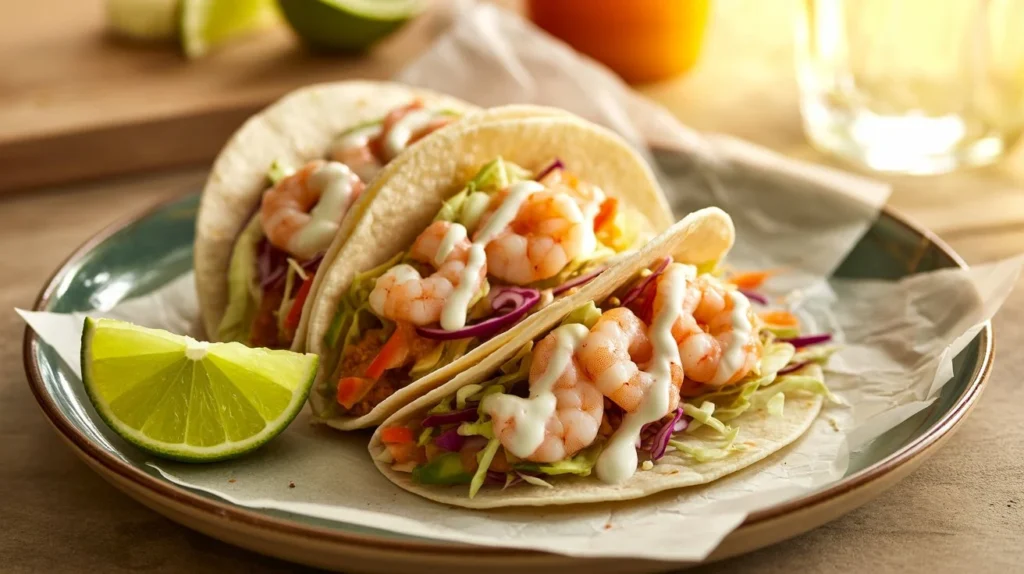
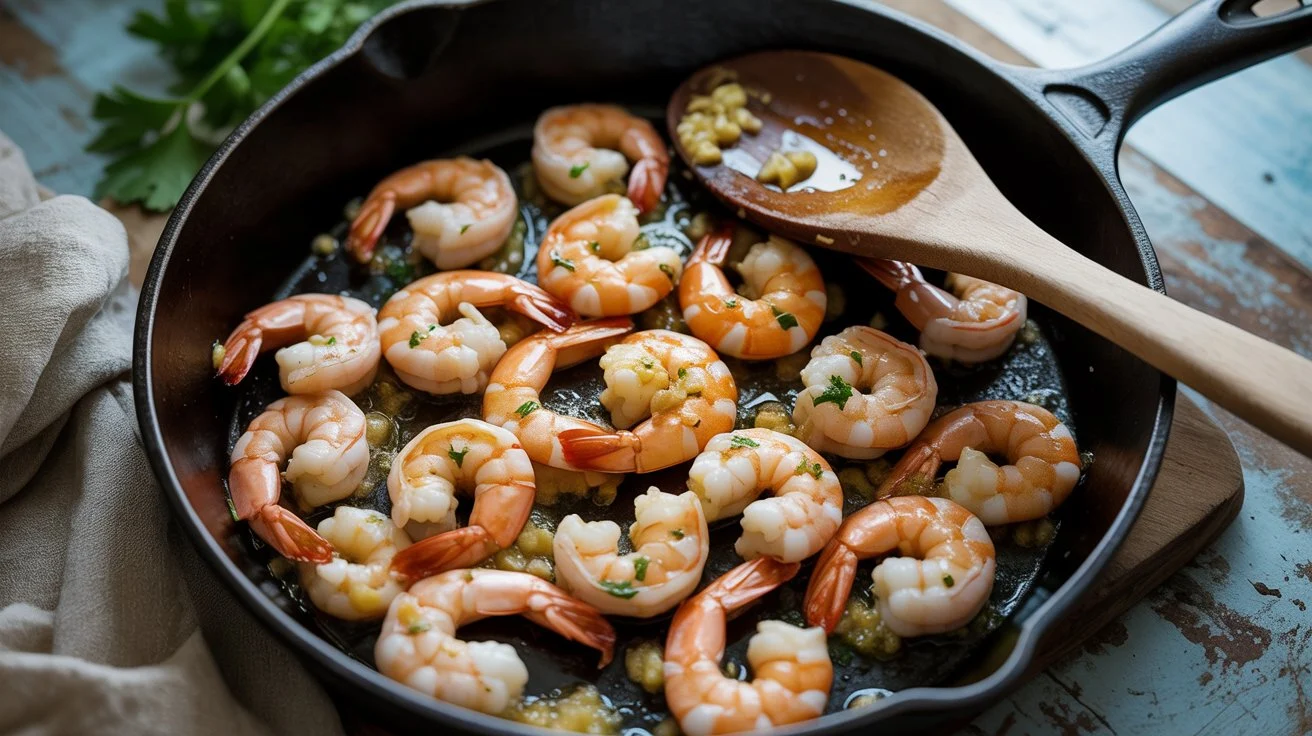
How Much Shrimp Per Person: Complete Calculator & Serving Guide
Calculate perfect shrimp servings with our professional calculator and expert seafood preparation tips
📋 Table of Contents
- Why Shrimp Portion Planning Matters
- How Much Shrimp Per Person: The Essential Question
- 🦐 Shrimp Per Person Calculator
- Understanding Shrimp Serving Fundamentals
- The Science Behind Shrimp Portion Guidelines
- 2025 Shrimp Trends and Culinary Innovation
- Expert Tips for Perfect Shrimp Planning
- Troubleshooting Common Portion Problems
- Advanced Techniques for Large Event Planning
- Frequently Asked Questions
- Conclusion: Master Your Shrimp Planning
Planning the right amount of shrimp for your gathering determines whether your guests leave satisfied or disappointed. Whether you’re hosting a summer barbecue, elegant cocktail party, or family seafood boil, accurate shrimp portion calculations ensure everyone enjoys this premium protein while avoiding costly overbuying or embarrassing shortages.
Shrimp stands as America’s most popular seafood, with the global shrimp market valued at USD 68.40 billion in 2022 and projected to reach USD 104.59 billion by 2030. This popularity creates unique planning challenges since guests consistently seek out shrimp dishes at events, making accurate quantity planning crucial for hosting success.
Why Shrimp Portion Planning Matters
Shrimp occupies a premium position in seafood cuisine, commanding higher prices and guest expectations than most proteins. The answer largely depends on two factors: how large each piece of shrimp is and how you are using the seafood in your meal. This complexity makes precise planning essential for both budget management and guest satisfaction.
Economic Impact of Shrimp Planning
Unlike other proteins, shrimp prices fluctuate significantly based on size, source, and seasonality. Smart hosts recognize that quality seafood needn’t command premium prices. Watch for sales on frozen shrimp—those family-sized bags yield a surprising bounty. Proper portion planning prevents both costly overbuying and budget-breaking emergency purchases.
💰 Cost Management Benefits
Accurate shrimp planning can reduce seafood costs by 25-40% compared to guesswork purchasing. Professional caterers use precise calculations to maintain profitability while ensuring guest satisfaction.
Guest Experience and Expectations
Shrimp is one of the most commonly consumed types of shellfish. It’s quite nutritious and provides high amounts of certain nutrients, such as iodine. Guests arrive with high expectations for shrimp dishes, viewing them as premium offerings that reflect the host’s attention to quality and detail.
Food Safety and Storage Considerations
Shrimp requires careful temperature management and has specific storage requirements that differ from other proteins. Raw shrimp can lead to several foodborne illnesses, which is why it’s important to buy and eat shrimp from trusted sources. Accurate quantity planning ensures optimal food safety compliance without unnecessary waste.
How Much Shrimp Per Person: The Essential Question
The Quick Answer: 2-3 ounces for appetizers, 4-6 ounces for main courses, but optimal portions depend on shrimp size, preparation method, and event context.
Professional Catering Standards
A good rule of thumb is to plan for a quarter-pound per person for an appetizer, or a half-pound for a main course. These industry standards have been refined through decades of professional food service experience and guest consumption analysis.
✅ Appetizer Guidelines
- Cocktail parties: 2-3 oz per person
- Large shrimp (21/25): 5-6 pieces per person
- Jumbo shrimp (16/20): 4-5 pieces per person
- Colossal shrimp (U/10): 2-3 pieces per person
🍽️ Main Course Guidelines
- Primary protein: 4-6 oz per person
- Shrimp scampi: 6-8 oz per person
- Shrimp and grits: 4-5 oz per person
- Seafood boil: 6-8 oz per person
Understanding Shrimp Size Counts
In the seafood industry, shrimp size is measured by the number of shrimp in one pound. On most bags of shrimp, you will find a smaller number followed by a slash and then a larger number. For example, 21/25 means 21-25 shrimp per pound, while U/10 means under 10 shrimp per pound (very large).
Event Context Variables
For an appetizer, you can often aim toward the lower end of the range, especially if you’re serving other dishes alongside it. If shrimp are the main course, you might round up. Event size, guest demographics, and available alternatives significantly impact individual consumption patterns.
🦐 Shrimp Per Person Calculator
Calculate the exact amount of shrimp needed for your event with our professional-grade calculator used by chefs and caterers worldwide.
Your Shrimp Requirements
💡 Pro Tip
Always purchase 10-15% extra shrimp as a safety buffer. Frozen shrimp stores excellently for months and provides peace of mind for hosts. Consider the ‘shrimp disappearing act’ – these always go faster than expected!
Understanding Shrimp Serving Fundamentals
Shrimp Size and Count System
Shrimp are categorized by size, such as “jumbo” or “colossal,” which refers to the number of shrimp per pound, not their physical size in inches. This count system directly affects portion planning since larger shrimp provide more meat per piece but fewer pieces per pound.
Nutritional Profile and Health Benefits
Three ounces (about 8 to 9 medium pieces) of shrimp is equal to a single serving. The nutrition value of three ounces of cooked shrimp contains: 101 calories and 19.4 grams of protein. This exceptional protein density makes shrimp an excellent choice for health-conscious guests.
🏥 Health Science Update 2025
Per 100 grams, shrimp provides 540 mg of omega-3 fatty acids in the form of DHA and EPA. While this isn’t quite as high as oily fish, shrimp is still an excellent source of this essential fatty acid. Shrimp also provides 57% of the daily value for selenium, a powerful antioxidant mineral.
Preparation and Yield Considerations
Shrimp are considered 2 counts larger with the heads on and 1 count larger with the tails. This yield difference affects portion calculations – shell-on shrimp provides less edible meat per pound than peeled varieties, requiring adjusted purchasing quantities.
Quality and Storage Standards
Here’s an insider secret: Most “fresh” market shrimp arrives flash-frozen, making quality frozen varieties equally fresh and far more economical. Frozen shrimp offers consistent quality, longer storage capability, and often superior value compared to “fresh” alternatives.
The Science Behind Shrimp Portion Guidelines
Protein Satiety Research
Protein helps keep you feeling full and satisfied, reducing the likelihood of overeating. Shrimp are packed with essential vitamins and minerals, providing a concentrated source of nutrients in a low-calorie package. This satiety factor explains why smaller shrimp portions often satisfy guests more than expected.
Consumer Behavior Analysis
The average American eats about 4 pounds of shrimp every year, indicating strong familiarity and consistent demand. This popularity creates predictable consumption patterns that professional planners leverage for accurate portion calculations.
📊 Consumption Psychology
Research shows that shrimp’s visual appeal and premium perception encourage guests to consume portions 20-30% larger than with other proteins. This “special occasion effect” must be factored into planning calculations.
Nutritional Density Impact
Shrimp is an especially stellar source of selenium. Your body needs this mineral for proper thyroid function, fertility, and infection and inflammation prevention. The nutrient density of shrimp means smaller portions provide significant nutritional value, supporting lower serving size recommendations.
Temperature and Food Safety Science
Shrimp’s protein structure requires precise temperature control for both safety and quality. Professional guidelines account for the rapid spoilage potential of seafood, influencing portion planning to minimize food safety risks while ensuring adequate quantities.
Market Economics and Portion Standards
The global shrimp market continues to grow steadily driven by rising consumer demand and preference for seafood protein. This market growth has standardized portion expectations across different price points and venue types.
2025 Shrimp Trends and Culinary Innovation
Sustainable Shrimp Movement
While conventional shrimp continues to represent a larger share of overall volume, organic shrimp is expected to grow at a CAGR of 9.3% from 2025 to 2035. This sustainability focus affects portion planning as eco-conscious hosts often serve premium, smaller portions of high-quality sustainable shrimp.
🌍 2025 Sustainability Trends
Leading companies have embraced sustainable shrimp farming and sourcing practices. They prioritize responsible aquaculture methods, minimize environmental impact, and promote social responsibility. Consumers increasingly seek certified sustainable options, influencing portion and pricing strategies.
Global Flavor Fusion
Chefs are drawing inspiration from global cuisines, incorporating flavors and techniques from Asia, Latin America, and the Mediterranean into their shrimp dishes. This trend toward complex flavors often increases guest satisfaction with smaller portions due to enhanced taste intensity.
Health-Conscious Preparation Methods
These air-fryer shrimp are perfectly crispy and easy to make without the hassle of heating up a large pot of oil. Air frying and other health-conscious cooking methods are trending, allowing hosts to serve satisfying portions without excess calories.
Premium Presentation Standards
Social media influence has elevated shrimp presentation expectations. Despite the decline in social mentions, shrimp remains a staple in seafood cuisine. Its versatility across different flavor profiles, from spicy to buttery, contributes to its sustained popularity. Enhanced presentation often allows for smaller portions that deliver greater visual and experiential impact.
Convenience and Ready-to-Eat Trends
Demand for ready-to-eat and frozen shrimp products is increasing, particularly in urban and suburban areas where convenience is a priority. This convenience trend affects portion planning as pre-prepared products often come in standardized serving sizes.
Expert Tips for Perfect Shrimp Planning
Advanced Calculation Strategies
The Shrimp Factor Formula: Professional caterers use a multiplier system based on shrimp’s “disappearing factor.” But in all honesty, I find it doesn’t matter how many shrimp you make because they all get eaten! Plan for 25% more than standard protein calculations when shrimp is a featured item.
Size-Specific Adjustments: Due to their size, the recommended serving is just 1-3 shrimp per person for colossal shrimp, which are comparable to prawns or lobster tails in size. Adjust expectations and portions significantly based on actual shrimp dimensions.
🎯 Professional Caterer Secret
Use the “golden ratio” for mixed seafood events: if shrimp represents more than 40% of your seafood offerings, increase base calculations by 30%. Guests consistently prioritize shrimp over other seafood options.
Purchasing and Storage Excellence
Frozen vs. Fresh Strategy: Watch for sales on frozen shrimp—those family-sized bags yield a surprising bounty. While fresh varieties command higher prices, frozen varieties deliver excellent value. Plan purchases around frozen bulk sales for significant cost savings.
Quality Assessment: Trust Your Nose, Not Just Your Eyes: Fresh shrimp should smell like the ocean—clean, briny, and subtly sweet. Quality assessment directly impacts portion planning since premium shrimp satisfies guests with smaller quantities.
Preparation and Service Optimization
Cooking Method Impact: Grilling: Grill shrimp over medium-high heat for 2-3 minutes per side, or until pink and slightly charred. Different cooking methods affect perceived value and satisfaction, with grilled and sautéed preparations often satisfying guests more than boiled alternatives.
Temperature Service Standards: Maintain proper serving temperatures using ice-filled serving platters for cold preparations or warming trays for hot dishes. Temperature management affects both food safety and guest satisfaction with portion sizes.
Event-Specific Optimizations
Outdoor Event Adjustments: Increase baseline calculations by 20% for outdoor events where guests have higher activity levels and enhanced appetites. Fresh air and activity consistently increase seafood consumption.
Multi-Course Integration: When shrimp is the primary protein in a dish like shrimp scampi, grilled shrimp skewers, or shrimp stir-fry, I generally recommend planning for 4 to 6 ounces of raw, shell-on shrimp per person. Adjust for course sequencing and overall meal complexity.
Troubleshooting Common Portion Problems
Running Short During Events
Emergency Strategies: When shrimp disappears faster than expected, quickly prepare complementary seafood dishes using readily available alternatives. Create shrimp salad with remaining pieces, or supplement with canned shrimp for dips and spreads.
Rapid Replenishment: Take the mystery out of how much to buy for a big group and when you are unsure add one extra pound. Keep emergency contact information for local suppliers who can provide same-day delivery of additional shrimp.
⚠️ Crisis Management Protocol
Maintain relationships with 2-3 local seafood suppliers who offer emergency delivery services. Many suppliers can provide pre-cooked, ready-to-serve shrimp within 2-3 hours during business hours.
Overproduction Management
Creative Repurposing: If you do happen to have leftover shrimp just count your blessings. They make great shrimp cocktail or are tasty over a simple green salad. Transform excess shrimp into salads, pasta dishes, or freeze for future entertaining needs.
Guest Take-Home Options: Package extra shrimp attractively for guests to take home. Most people appreciate high-quality seafood leftovers, especially when professionally prepared and properly packaged.
Size and Count Confusion
Count Conversion Issues: For example, 71-90 would indicate that there are 71 to 90 shrimp per pound. As a general rule, the smaller the shrimp size the larger the count. Keep conversion charts handy to avoid purchasing incorrect quantities due to size misunderstandings.
Preparation Yield Errors: Account for 15-25% weight loss when transitioning from shell-on to peeled shrimp. This yield factor commonly causes portion planning errors that leave hosts short on edible product.
Quality and Food Safety Issues
Temperature Control Problems: For extended events, rotate fresh shrimp platters every 2 hours maximum. Use insulated serving displays and backup refrigeration to maintain quality and safety throughout long events.
Guest Dietary Restrictions: Shellfish, including shrimp, is also the cause of a common and sometimes severe food allergy. Always prepare alternative proteins and clearly label shrimp dishes to accommodate guests with seafood allergies.
Advanced Techniques for Large Event Planning
Scaling Calculations for Major Events
For events over 150 people, implement tiered consumption formulas. Calculate standard portions for the first 100 guests, then reduce per-person requirements by 15% for guests 101-200, and 25% for guests beyond 200. Large crowds create social buffering effects that naturally reduce individual consumption.
Multi-Variety Strategy Implementation
One of the greatest things about shrimp is how easily it can be swapped for other proteins and fit into so many recipes, from fancy side dishes and special occasion romantic meals to party appetizers and casual weeknight dinners. Offering multiple shrimp preparations increases overall consumption by 30-40% as guests sample various options.
🎓 Advanced Planning Formula
Professional Formula: Base Portions (guests × size-specific serving) + Event Factor (±25%) + Preparation Factor (±15%) + Variety Factor (±40%) + Safety Buffer (20%) = Total Shrimp Requirements
Seasonal and Market Optimization
Peak Season Planning: The high protein content in shrimp promotes muscle development, supports weight management, and aids in maintaining overall health. Summer events require 20-25% additional shrimp due to increased outdoor appetites and enhanced expectations for seafood at warm-weather gatherings.
Market Timing Strategies: Purchase frozen shrimp during off-peak periods for significant cost savings. Professional event planners often buy 3-6 months ahead during market lows, storing properly for future events.
Cost Optimization for Large Groups
Bulk Procurement Management: For events requiring large quantities, establish relationships with wholesale seafood distributors. Purchase case quantities (typically 10-40 pounds) for significant per-pound savings. Calculate optimal size mixes to balance cost with presentation quality.
Labor Efficiency Systems: For events requiring extensive shrimp preparation, implement assembly-line processing where teams handle specific tasks (peeling, deveining, seasoning, cooking). This specialization improves quality consistency while reducing labor costs.
Professional Service Standards
Implement restaurant-style batch preparation where shrimp dishes are prepared in standardized quantities that align with service flow. This approach ensures consistent quality, proper timing, and efficient service during peak consumption periods.
Quality Control Protocols: Establish checkpoints for temperature monitoring, visual inspection, and portion consistency. Professional events require systematic quality assurance to maintain guest satisfaction and food safety compliance.
❓ Frequently Asked Questions
Conclusion: Master Your Shrimp Planning
Successful shrimp portion planning combines understanding guest preferences, event dynamics, and preparation logistics. The baseline of 2-3 ounces per person for appetizers and 4-6 ounces for main courses provides reliable starting points, but exceptional hosts adapt these calculations based on shrimp size, preparation method, and specific event context.
Key Implementation Strategies
Apply the proven calculation system using our professional calculator as your foundation, then adjust for specific variables like guest demographics, event type, and shrimp preparation. Leverage the 2025 market trends toward sustainable sourcing and health-conscious preparation methods to enhance guest satisfaction while maintaining cost control.
Account for the “shrimp factor” in all calculations. But in all honesty, I find it doesn’t matter how many shrimp you make because they all get eaten! This professional insight reflects shrimp’s unique position as a premium protein that guests consistently consume beyond typical portion expectations.
The market trends toward organic shrimp growing at a CAGR of 9.3% from 2025 to 2035 and innovative preparation methods enhance rather than complicate shrimp planning. These developments increase guest interest and perceived value, validating the importance of precise quantity calculations for successful events.
Remember that shrimp planning affects multiple dimensions of event success: guest satisfaction, food safety compliance, budget management, and host confidence. The global shrimp market continues to grow steadily driven by rising consumer demand and preference for seafood protein, making professional planning skills increasingly valuable for hosts who want to meet rising guest expectations.
Professional caterers and successful hosts prioritize detailed seafood planning because they understand its disproportionate impact on overall event perception. Master these calculations, apply the professional techniques, and your guests will remember your events for their exceptional attention to quality and detail.
Perfect Your Next Seafood Event
Use our professional calculator to plan your shrimp portions with complete confidence. Save this comprehensive guide for future reference and share it with fellow seafood enthusiasts who appreciate quality entertaining.
Calculate Your Shrimp Needs NowBookmark this complete planning guide for all your seafood entertaining needs. For more professional culinary tips and portion planning resources, explore our comprehensive event planning toolkit.