How Much Ribeye Per Person? Complete Calculator & Expert Guide
Master Ribeye Portions for Perfect Steaks Every Time
Reading Time: 12 minutesPlanning a steak dinner featuring ribeye? Understanding proper portion sizes ensures you purchase the right amount while staying within budget and satisfying your guests. This comprehensive guide provides a professional calculator and expert insights to help you determine exactly how much ribeye steak you need per person, whether you’re grilling for two or hosting a large dinner party.
According to steak experts at Land and Sea Delivery, the standard serving recommendation calls for 8 to 12 ounces of boneless ribeye per person or approximately 1 pound for bone-in ribeye. Ribeye stands as one of the most popular steak cuts in America, prized for its exceptional marbling, rich flavor, and tender texture that makes every bite memorable. Our calculator accounts for boneless versus bone-in cuts, guest appetites, USDA grades, and serving contexts to provide accurate quantities.
Quick Ribeye Facts

Why You Need a Ribeye Calculator
Calculating ribeye portions requires understanding multiple factors that affect serving sizes. Unlike other proteins with straightforward measurements, ribeye steaks vary significantly in size, thickness, and bone inclusion. A properly portioned ribeye dinner satisfies guests without excess waste or insufficient quantities.
The Ribeye Planning Challenge
Ribeye typically costs between 12 to 30 dollars per pound depending on USDA grade, marbling quality, and whether you choose bone-in or boneless cuts. Premium grades like USDA Prime command higher prices but deliver superior eating experiences. Making accurate purchasing decisions prevents both disappointing your guests with small portions and overspending on excess meat.
The bone-in versus boneless decision significantly impacts calculations. According to cooking experts at The Kitchn, when serving steak as the main course, plan on 8 ounces per person as a general rule. However, ribeye’s rich marbling and intense flavor mean some diners prefer larger portions, especially when the steak serves as the meal’s centerpiece.
Ribeye Per Person Calculator
Calculate Your Ribeye Quantity
Pro Grilling Tips
Understanding Ribeye Steak: The Prime Cut
Ribeye steak comes from the rib primal section of beef, specifically from ribs six through twelve. This cut features exceptional marbling throughout the meat, creating the signature flavor and tenderness that makes ribeye a steakhouse favorite. The intramuscular fat bastes the steak from within during cooking, producing that characteristic juicy, rich taste.
The Anatomy of Ribeye: Understanding Key Components
Ribeye consists of several distinct muscles, each contributing unique characteristics to the overall eating experience. The longissimus dorsi forms the large center eye, providing substantial meaty texture. The complexus appears as a smaller side muscle in some cuts. Most notably, the spinalis dorsi, better known as the ribeye cap, curves around the outer edge of the steak.
The Legendary Ribeye Cap (Spinalis Dorsi)
According to renowned pitmaster Jess Pryles, the spinalis dorsi represents the most coveted cut on the entire steer. This outer muscle of the ribeye delivers exceptional tenderness rivaling filet mignon while maintaining the robust, beefy flavor characteristic of ribeye. The ribeye cap features intense marbling and a slightly softer, more buttery texture than the center eye.
Butchers sometimes remove the cap muscle from the ribeye roast, roll it tightly, tie it with butcher’s twine, and cut individual cap steaks. These rare cuts command premium prices at specialty butchers and high-end steakhouses. When served as individual portions, ribeye cap steaks typically weigh 7 to 8 ounces, providing a perfectly sized serving of this luxurious cut.
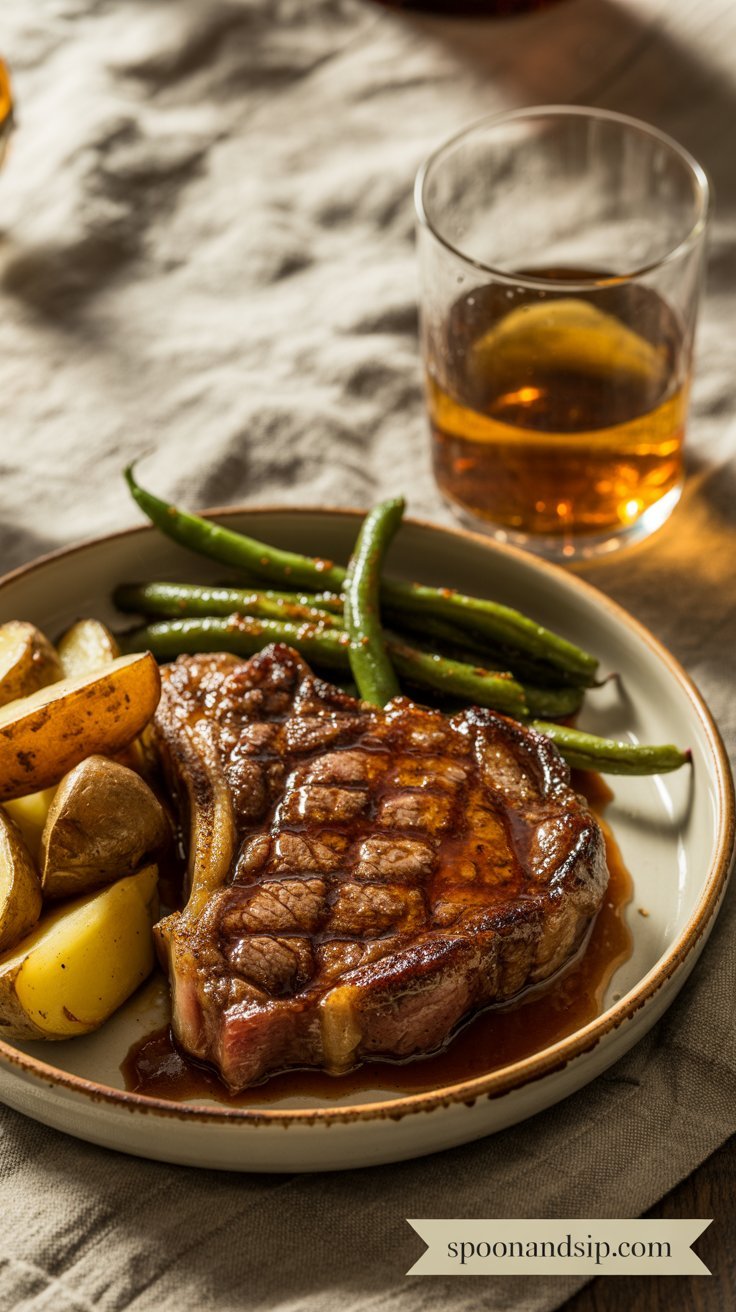
Boneless vs Bone-In Ribeye
| Feature | Boneless Ribeye | Bone-In Ribeye |
|---|---|---|
| Serving Size | 8-12 oz per person | 12-16 oz (1 lb) per person |
| Cooking Method | Excellent for pan-searing, easier to manage | Perfect for grilling, bone adds flavor |
| Presentation | Clean, modern, uniform appearance | Rustic, impressive, steakhouse style |
| Price Point | Higher per pound, all meat | Lower per pound, includes bone weight |
| Ease of Eating | No knife work around bone needed | Requires cutting around bone |
| Flavor Profile | Pure beef flavor, excellent marbling | Enhanced by bone, slightly more complex |
USDA Beef Grading and Ribeye Quality
Understanding USDA beef grades helps you make informed purchasing decisions that balance quality and budget. The USDA Agricultural Marketing Service evaluates beef based on marbling and maturity, assigning quality grades that predict tenderness, juiciness, and flavor.
Prime, Choice, and Select Ribeye Explained
According to the USDA, Prime beef features abundant marbling and is produced from young, well-fed cattle. Prime grade ribeye contains approximately 8 to 13 percent intramuscular fat, creating exceptional flavor and tenderness. Only 2 to 5 percent of beef produced in the United States achieves Prime grade designation.
| USDA Grade | Marbling Level | Availability | Best For |
|---|---|---|---|
| Prime | 8-13% fat, abundant marbling | High-end steakhouses, specialty butchers | Special occasions, ultimate quality |
| Choice | 4-10% fat, good marbling | Most supermarkets, restaurants | Everyday grilling, excellent value |
| Select | 2-4% fat, modest marbling | Budget retailers, grocery stores | Budget-conscious cooking, marinades |
USDA Prime Advantages
- Maximum marbling creates unmatched flavor
- Superior tenderness and juiciness
- Forgiving during cooking, stays moist
- Restaurant-quality eating experience
- Impressive for special occasions
Budget Considerations
- Prime costs 30-50% more than Choice
- Limited availability in regular stores
- Higher fat content means more calories
- May be excessive for casual dinners
- Choice grade delivers excellent results
Cooking Methods for Perfect Ribeye
Ribeye’s abundant marbling makes it forgiving and flavorful when cooked properly. The high fat content means ribeye benefits from high-heat cooking methods that render the fat while developing a flavorful crust. Understanding cooking techniques ensures you maximize this premium cut’s potential.
Grilling Ribeye to Perfection
Grilling remains the most popular method for cooking ribeye, allowing flames and smoke to enhance the beef’s natural flavors. Preheat your grill to high heat (450 to 500 degrees Fahrenheit) for optimal searing. Pat ribeye steaks completely dry before seasoning, as surface moisture prevents proper crust formation.
The Reverse Sear Method
Professional chefs increasingly favor reverse searing for thick-cut ribeyes. This technique involves cooking the steak at low temperature (225 to 275 degrees Fahrenheit) until it reaches 10 to 15 degrees below your target temperature, then searing over high heat for 1 to 2 minutes per side. Reverse searing produces edge-to-edge doneness with a perfect crust, minimizing the gray band of overcooked meat beneath the surface.
Pan-Searing for Indoor Cooking
Cast iron skillets excel at cooking ribeye indoors, providing even heat distribution and excellent crust development. Heat your skillet over high heat until it just begins smoking. Add ribeye and resist the urge to move it for 3 to 4 minutes, allowing the Maillard reaction to create that coveted brown crust.
2025 Ribeye Trends and Market Insights
Current Ribeye Market Trends
The ribeye market in 2025 reflects significant shifts in consumer preferences and production practices. Dry-aged ribeye has gained mainstream popularity, with many butcher shops and grocery stores now offering 21, 28, or 45-day aged steaks. Dry-aging concentrates flavors and tenderizes meat through enzymatic breakdown, creating that distinctive nutty, funky taste prized by steak enthusiasts.
American Wagyu ribeye represents another growing trend, combining Japanese Wagyu genetics with American cattle for exceptional marbling that exceeds even USDA Prime standards. These premium steaks feature marbling scores on the Japanese Beef Marbling Score (BMS) scale, ranging from 4 to 12. High-BMS American Wagyu ribeyes deliver buttery texture and intense flavor, though they command prices of 40 to 100 dollars per pound.
Smart cooking technology has revolutionized home ribeye preparation. Connected meat thermometers with smartphone apps provide real-time temperature monitoring and cooking guidance, helping home cooks achieve steakhouse-quality results. These devices eliminate guesswork and reduce overcooking waste.
Expert Tips for Perfect Ribeye Portions
Thickness Matters
Ribeye steaks should measure at least 1 inch thick, with 1.25 to 1.5 inches being ideal for grilling. Thicker steaks allow you to develop a deep, caramelized crust while maintaining a properly cooked interior. Steaks under 1 inch thick can easily overcook, resulting in tough, dry meat despite ribeye’s forgiving marbling.
Temperature Guidelines for Doneness
| Doneness Level | Internal Temperature | Characteristics | Recommended For |
|---|---|---|---|
| Rare | 120-125°F | Cool red center, very soft | Beef purists, premium grades |
| Medium-Rare | 130-135°F | Warm red center, ideal texture | Most guests, optimal flavor |
| Medium | 135-145°F | Pink center, firmer texture | Moderate preferences |
| Medium-Well | 150-155°F | Slight pink, well-done edge | Well-done preference guests |
The Importance of Resting
Always rest ribeye steaks for 5 to 10 minutes after cooking before cutting into them. During cooking, heat drives juices toward the steak’s center. Resting allows these juices to redistribute throughout the meat, preventing them from flooding your cutting board when you slice. Cover steaks loosely with foil during resting to maintain temperature.
Side Dish Impact on Ribeye Quantities
The number and heartiness of side dishes significantly affect how much ribeye you need per person. A steak-focused dinner with minimal sides requires larger meat portions than a balanced meal featuring multiple substantial accompaniments. Consider your complete menu when calculating ribeye quantities.
Classic Ribeye Pairings
Traditional steakhouse sides like loaded baked potatoes, creamed spinach, and roasted asparagus all contribute to guest satisfaction. When serving substantial sides, you can reduce ribeye portions by 1 to 2 ounces per person without anyone feeling shortchanged. Classic pairings include garlic parmesan pasta, roasted vegetables, and Caesar salad.
For complete meal planning, calculate side dish quantities using specialized tools like our coleslaw calculator or green beans calculator for accurate portions.
Special Considerations for Different Events
Casual Backyard Grilling
For relaxed outdoor cookouts, plan on 10 to 12 ounces of boneless ribeye per person. Guests at casual events typically appreciate generous portions, and the informal atmosphere encourages seconds. Include plenty of sides and offer multiple steak options to accommodate varying preferences.
Formal Dinner Parties
Upscale dinner parties benefit from smaller, more elegant portions of premium ribeye. Consider 8 to 10 ounces of USDA Prime or high-Choice ribeye per person, complemented by multiple sophisticated sides. This approach emphasizes quality over quantity while maintaining appropriate portion control.
Surf and Turf Combinations
When serving ribeye alongside lobster, shrimp, or other seafood, reduce steak portions significantly. According to The Kitchn’s portion guidelines, surf and turf meals call for halving your guest count and multiplying by 8 ounces to determine total meat needed. For 10 guests, purchase 40 ounces (2.5 pounds) of ribeye plus your seafood portions.
Common Ribeye Purchasing Mistakes
Buying Too Thin
One of the most common errors involves purchasing ribeye steaks that are too thin. Steaks under 1 inch thick cook so quickly that achieving proper crust development while maintaining a juicy interior becomes nearly impossible. Always request steaks at least 1.25 inches thick from your butcher.
Ignoring Marbling Quality
Not all ribeyes deliver the same eating experience. Even within USDA grades, significant variation exists. Examine marbling distribution carefully, looking for fine, evenly distributed white flecks throughout the meat rather than large chunks of fat. Well-marbled ribeye produces tender, flavorful results.
The Grade Confusion
Many shoppers confuse the cut name “ribeye” with USDA Prime grade. Remember that ribeye refers to the anatomical location (rib section), while Prime indicates quality grade. You can purchase Select, Choice, or Prime grade ribeye. The grade significantly impacts flavor, tenderness, and price, so verify both the cut and grade when purchasing.
Advanced Ribeye Preparation Techniques
Dry-Brining for Enhanced Flavor
Professional chefs use dry-brining to intensify ribeye’s natural flavors. Salt ribeye steaks generously on both sides and refrigerate uncovered for 12 to 24 hours. This technique seasons meat deeply while drawing out surface moisture, promoting superior crust formation during cooking. The salt also helps tenderize meat through protein breakdown.
Compound Butter Finishes
Finishing grilled ribeye with compound butter elevates presentation and flavor. Create compound butter by mixing softened butter with minced garlic, fresh herbs (rosemary, thyme, parsley), and a pinch of salt. Form into a log, refrigerate until firm, then slice rounds to top hot steaks. The butter melts into the meat’s crevices, creating additional richness.
Cost Management and Value Optimization
Ribeye represents a significant investment, especially when feeding multiple guests. Strategic purchasing and preparation maximize value without compromising quality. Warehouse clubs like Costco often offer excellent prices on USDA Choice and Prime ribeye, particularly when purchasing larger quantities.
When to Buy Ribeye
Avoid purchasing ribeye during peak grilling season (Memorial Day through Labor Day) when demand drives prices higher. Late fall through early spring typically offers better pricing as fewer people grill outdoors. Stock your freezer with well-wrapped ribeye purchased during off-peak months for significant savings.
Related Meat Planning Calculators
Frequently Asked Questions About Ribeye Portions
Plan for 8 to 12 ounces per person for boneless ribeye and 12 to 16 ounces (1 pound) for bone-in ribeye. These portions account for the rich marbling that makes ribeye filling. Adjust based on guest appetites, with hearty eaters potentially wanting up to 16 ounces of boneless ribeye. When serving multiple substantial sides, you can reduce portions by 1 to 2 ounces per person. For special occasions with premium grades like USDA Prime, 8 to 10 ounces often suffices due to the exceptional richness and flavor.
The ribeye cap, scientifically known as spinalis dorsi, is the outer muscle that curves around the ribeye steak. Many steak enthusiasts and professional chefs consider it the best cut on the entire cow. The cap features exceptional marbling that creates buttery tenderness rivaling filet mignon while maintaining robust ribeye flavor. This muscle typically appears as that first bite on a ribeye steak that melts in your mouth. Butchers sometimes remove the entire cap from a rib roast, roll it, tie it, and cut individual cap steaks that command premium prices. When purchasing ribeye cap separately, portions typically range from 7 to 8 ounces per person.
USDA Prime ribeye features 8 to 13 percent fat marbling and delivers exceptional tenderness, juiciness, and flavor. Only 2 to 5 percent of beef achieves Prime grade, making it premium-priced at specialty butchers and high-end stores. USDA Choice contains 4 to 10 percent fat and provides excellent quality at significantly lower cost, representing the best value for most home cooks. Choice ribeye from the upper end of the grade (sometimes called Top Choice or Upper Choice) approaches Prime quality. For special occasions and celebrations, Prime justifies the extra expense. For regular family dinners and casual gatherings, Choice delivers outstanding results. Select grade, with 2 to 4 percent fat, works better for slow cooking methods than grilling.
Grilling and pan-searing both excel for ribeye. Grilling over high heat (450 to 500 degrees Fahrenheit) develops excellent crust and flavor. The reverse sear method produces optimal results for thick-cut ribeyes: cook at low temperature (225 to 275 degrees Fahrenheit) until 10 degrees below target, then sear over high heat for 1 to 2 minutes per side. This technique creates edge-to-edge even doneness with a perfect crust. For indoor cooking, cast iron skillets work beautifully, providing even heat distribution and superior browning. Always cook ribeye to medium-rare (130 to 135 degrees Fahrenheit) for ideal texture and flavor. The abundant marbling keeps ribeye moist even if slightly overcooked, making it forgiving for home cooks.
Ribeye steaks should measure at least 1 inch thick, with 1.25 to 1.5 inches being ideal for grilling and pan-searing. Thicker steaks allow proper crust development on the exterior while maintaining juicy, properly cooked interior. Steaks under 1 inch thick cook so quickly that achieving both good crust and proper doneness becomes difficult, often resulting in overcooked, tough meat. When ordering from a butcher, specifically request your preferred thickness. Most pre-cut supermarket ribeyes measure around 1 inch thick, which works but isn’t optimal. For special occasions, request 1.5-inch thick cuts that provide impressive presentation and superior eating experience.
You can and should prepare ribeye in advance through dry-brining. Salt steaks generously on both sides and refrigerate uncovered for 12 to 24 hours before cooking. This technique seasons meat deeply, draws out surface moisture for better browning, and enhances tenderness. Remove steaks from refrigeration 30 to 60 minutes before cooking to bring them to room temperature for even cooking. However, ribeye must be cooked fresh and served immediately. Unlike roasts, you cannot fully cook ribeye ahead and reheat it without compromising quality. If entertaining, consider reverse searing to cook steaks most of the way in advance, then quickly sear just before serving.
Dry-aged ribeye undergoes controlled aging in temperature and humidity-regulated environments for 21 to 45 days or longer. During aging, natural enzymes break down muscle tissue, tenderizing meat while moisture evaporates, concentrating flavors. The process creates distinctive funky, nutty, almost cheese-like flavors alongside intense beefy taste. Dry-aging reduces weight through moisture loss, making dry-aged steaks more expensive per pound. For steak enthusiasts and special occasions, dry-aged ribeye delivers a unique, complex eating experience worth the premium. However, many people prefer the cleaner, straightforward beef flavor of wet-aged or fresh ribeye. Try both to determine your preference before investing in dry-aged for a large gathering.
Always use an instant-read meat thermometer to check ribeye doneness accurately. Insert the probe into the thickest part of the steak, avoiding fat pockets. Remove ribeye from heat at 125 to 130 degrees Fahrenheit for medium-rare, as temperature will continue rising 5 to 10 degrees during resting. For medium, pull at 130 to 135 degrees Fahrenheit. Never rely on cooking time alone, as steak thickness, starting temperature, and heat intensity all affect cooking speed. Visual cues like firmness help experienced cooks but prove unreliable for beginners. Digital instant-read thermometers cost 15 to 30 dollars and guarantee perfect results every time, making them essential tools for any steak cook.
Ready to Plan Your Perfect Ribeye Dinner?
Use our calculator above to determine exactly how much ribeye you need for your next steak night. With precise calculations and expert guidance, you’ll confidently purchase the perfect amount for satisfied guests and memorable meals.
Explore our complete collection of party planning calculators and cooking guides to make your next event a complete success.
View All CalculatorsConclusion: Master Your Ribeye Planning
Calculating the right amount of ribeye per person requires balancing multiple factors including cut type, guest appetites, meal context, and budget considerations. The fundamental guidelines remain straightforward: 10 to 12 ounces per person for boneless ribeye and 12 to 16 ounces for bone-in cuts. However, successful planning requires considering USDA grades, steak thickness, cooking methods, and accompanying side dishes.
Ribeye represents one of the finest cuts of beef available, delivering exceptional marbling, robust flavor, and tender texture that makes every bite memorable. Understanding the ribeye cap (spinalis dorsi), USDA grading differences between Prime and Choice, and proper cooking techniques ensures you maximize this premium cut’s potential. Whether grilling for a casual backyard gathering or preparing an upscale dinner party, accurate portion calculations prevent both waste and shortage.
The key to ribeye success lies in quality sourcing, proper preparation, and precise calculations. Purchase from reputable butchers who can provide your preferred thickness and grade, account for all factors affecting portions, and use professional calculation methods to guide your purchases. With these tools and knowledge, your next ribeye dinner will deliver the exceptional dining experience this legendary cut deserves, leaving guests satisfied and impressed by your culinary expertise.