
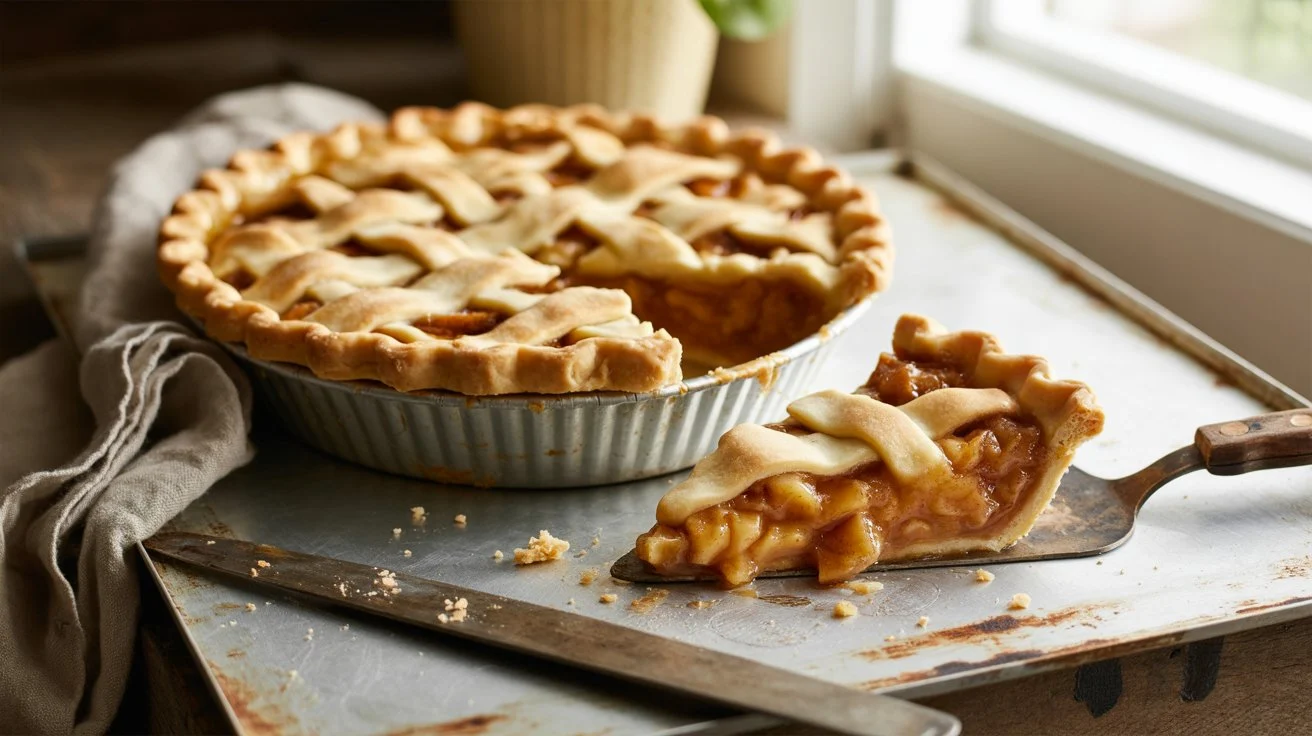
How Much Pie Per Person Calculator
Calculate the perfect amount of pie for your event with our professional-grade calculator. Get expert portion sizes, planning tips, and the latest 2025 dessert trends.
📋 Table of Contents
Calculating the perfect amount of pie for your event ensures every guest enjoys a sweet ending to their meal while preventing waste and budget overruns. Whether you’re planning a holiday gathering for 12 or a corporate celebration for 120, getting your pie portions right creates memorable moments without the stress of running short or having excessive leftovers.
Our comprehensive guide combines professional catering expertise with the latest 2025 dessert trends to help you calculate exact portions, understand variables that impact consumption, and master the art of pie planning for any occasion from intimate dinners to large-scale celebrations.
❓ Why Accurate Pie Portions Matter
Precise pie portion calculations extend far beyond having enough dessert—they’re fundamental to creating a memorable dining experience that demonstrates your planning expertise and attention to detail. According to FDA food safety guidelines, proper portion planning also plays a crucial role in food safety by minimizing waste and reducing time that perishable pies spend at unsafe temperatures.
💰 The Economics of Pie Planning
Under-estimating pie needs can force expensive last-minute bakery runs that cost 3-4x homemade prices, while over-ordering wastes an average of $100-300 per event. Professional event planners report that accurate pie calculations save 25-35% on dessert costs while improving guest satisfaction scores by ensuring everyone gets their preferred slice.
Pie serves unique strategic purposes in event planning: it’s a universally beloved dessert that appeals across all age groups, offers excellent make-ahead convenience for busy hosts, provides opportunities for seasonal and flavor variety, and creates a comforting, homestyle atmosphere that enhances the overall dining experience.
📏 Professional Serving Guidelines
Industry standards for pie portions have evolved significantly in 2025, with professional caterers and bakeries adopting data-driven approaches based on extensive guest consumption analytics and seasonal eating pattern studies.
Standard Portion Sizes by Pie Type
🥧 Recommended Portions
- 9-inch Pie: 6-8 slices (standard serving)
- 8-inch Pie: 5-6 slices (smaller portions)
- 10-inch Pie: 8-10 slices (larger groups)
- Mini Pies: 1 pie per person (individual servings)
- Sheet Pie: Cut into 2×2 inch squares
⚠️ Adjustment Factors
- Add 25% for pie-focused events or holidays
- Reduce 30% when serving 3+ dessert options
- Add 15% for buffet-style service
- Reduce 25% for formal plated dinners
- Consider children eat 50% smaller portions
⚖️ Factors That Affect Serving Sizes
Understanding the variables that influence pie consumption enables precise calculations that account for your specific event circumstances, guest demographics, and seasonal considerations.
Guest Demographics and Eating Patterns
Age significantly impacts pie consumption: children under 12 typically eat 40-50% smaller portions than adults, while seniors often prefer lighter portions but may return for seconds of favorite flavors. Male guests average 15-20% larger portions than female guests, particularly for rich pies like pecan or chocolate.
Event Timing and Seasonal Influence
Holiday events see 35-45% higher pie consumption due to traditional expectations and celebratory atmospheres. Evening events typically require 20% more pie than afternoon gatherings, as guests have worked up larger appetites. Winter celebrations favor rich, warming pies while summer events prefer lighter fruit varieties.
Service Style Impact Analysis
🍽️ Service Style Multipliers
- Buffet Service: Base portion × 1.15
- Family Style: Base portion × 1.1
- Plated Service: Base portion × 1.0
- Dessert Bar: Base portion × 0.7
- Take-Home Options: Add 20% buffer
Menu Context and Competition
The richness of the main meal significantly affects pie consumption. Heavy, rich dinners typically reduce pie consumption by 20-25%, while lighter meals may increase dessert appetite by 15%. Events featuring multiple dessert options see individual pie consumption drop by 30-40% as guests sample various treats.
👨🍳 Preparation and Food Safety
Proper pie preparation and storage encompasses understanding FDA holiday food safety guidelines and extends through service to ensure both safety and optimal flavor preservation.
Food Safety Critical Points
Cream pies, custard pies, and any pies containing dairy or eggs require refrigeration and can safely remain at room temperature for maximum 2 hours (1 hour above 90°F). Fruit pies with sugar-based fillings are more stable but should still be covered and stored properly to maintain quality.
🌡️ Critical Food Safety Guidelines
Storage: Refrigerate cream/custard pies immediately at 40°F or below
Service: Maximum 2 hours at room temperature for perishable pies
Transport: Use insulated containers with ice packs for cream pies
Reheating: Fruit pies can be warmed to 165°F if desired
Optimal Preparation Timeline
Fruit pies maintain peak quality for 2-3 days when stored covered at room temperature, while cream pies are best consumed within 24-48 hours of preparation. For large events, prepare pies 1-2 days ahead for optimal flavor development while ensuring food safety compliance.
Storage and Transport Best Practices
Use pie carriers or covered containers to protect crusts during transport. For cream pies, maintain cold chain with insulated carriers and ice packs. Stack carefully with parchment between layers, and always transport assembled pies upright to prevent filling displacement.
🔥 2025 Pie & Dessert Trends Transforming Events
The pie and dessert landscape of 2025 emphasizes interactive experiences, nostalgic comfort flavors, and dietary inclusivity that directly impact planning and portion calculations.
🏺 Mini Dessert Revolution
Individual mini pies and dessert jars are dominating 2025 events, allowing guests to sample multiple flavors while controlling portions. These single-serve options typically reduce waste by 30% while increasing guest satisfaction through variety and personalization.
🌱 Plant-Based & Dietary Inclusive Pies
Vegan, gluten-free, and keto-friendly pie options are becoming standard offerings rather than special requests. These alternatives often require slightly smaller serving sizes due to higher satiety levels from alternative ingredients like almond flour and coconut cream.
🌍 Global Fusion Pie Flavors
Traditional American pie meets international flavors: matcha cream pies, miso caramel tarts, and chai-spiced fruit pies are trending. These unique flavor profiles often generate higher interest, potentially requiring 10-15% more portions as guests seek to try new experiences.
🎪 Interactive Dessert Stations
Build-your-own pie bars and DIY dessert stations are replacing traditional pre-plated service. These interactive experiences typically serve 20-25% more people per pie as guests take smaller, customized portions while enjoying the social aspect of dessert creation.
🏠 Nostalgic Comfort Classics
Traditional flavors like apple, pumpkin, and pecan are experiencing a resurgence with elevated presentations and premium ingredients. These familiar favorites often see 20% higher consumption rates due to their universal appeal and comfort factor.
Source: 2025 Dessert Trends Analysis
💡 Expert Planning Tips
The Professional 10% Buffer Rule
Professional event planners consistently apply a 10% buffer to their final pie calculations to account for unexpected guests, higher-than-average consumption, and service inefficiencies. For critical events like weddings or holidays, consider a 15% buffer to ensure adequate supply.
Strategic Flavor Selection
🎯 Smart Flavor Strategies
- Offer 2-3 varieties for groups under 20 people
- Include one fruit and one cream/custard option
- Consider seasonal preferences (pumpkin in fall, berry in summer)
- Always include one universally popular flavor (apple)
- Account for dietary restrictions with inclusive options
💸 Cost-Effective Approaches
- Homemade pies cost 50-70% less than bakery purchases
- Fruit pies offer better value than specialty cream pies
- Mini pies allow portion control and reduce waste
- Sheet pies serve more people per dollar than round pies
- Buy seasonal fruits in bulk for significant savings
Seasonal Optimization Strategies
Spring events favor light fruit pies with fresh berries, while summer gatherings benefit from cream pies and cold preparation. Fall celebrations see highest consumption of traditional spice pies, and winter events require rich, warming varieties that complement hearty meals.
Service Enhancement Techniques
Provide serving utensils that create consistent slice sizes, offer whipped cream or ice cream as optional toppings (which can make smaller slices more satisfying), and consider warming fruit pies slightly before service to enhance aroma and appeal.
🔧 Common Problems & Solutions
Running Short During Service
Immediate Solutions: Cut remaining pies into smaller slices and supplement with ice cream or whipped cream to make portions more satisfying. Alternatively, create a “pie tasting plate” concept where guests receive smaller samples of multiple varieties.
Excessive Leftovers
Prevention Strategy: Monitor consumption patterns during the first hour of dessert service. If uptake is slower than expected, offer take-home containers or create a “midnight snack station” where guests can enjoy pie later in the evening.
Food Safety Concerns
🧊 Emergency Food Safety Protocols
If cream or custard pies have been at room temperature for more than 2 hours, they must be discarded according to FDA guidelines. For outdoor events, use chafing dishes with ice underneath or rotate fresh pies every hour during hot weather.
Last-Minute Guest Count Changes
For increases up to 30%: Purchase additional pre-made pies or create a simple fruit crisp that can be assembled quickly. For decreases: Package excess pie slices attractively for guests to take home, or save whole pies for the next day’s meals.
Dietary Restriction Accommodations
When guests have unexpected dietary needs, fruit pies without cream can often accommodate dairy-free requirements, while crumble toppings can be removed for gluten-sensitive guests. Always have ingredient lists available for those with severe allergies.
🎯 Advanced Techniques for Professional Results
Predictive Consumption Analytics
Leading event planners now track historical consumption data by season, event type, and guest demographics to create predictive models. Track which pie flavors perform best at different types of events and times of year to develop proprietary planning methods specific to your gatherings.
Multi-Phase Service Strategy
Deploy pies in strategic phases: start with 70% of calculated portions during initial dessert service, monitor consumption rates, and release remaining pies based on actual demand. This approach reduces waste while ensuring adequate supply throughout extended events.
Quality Preservation Techniques
🏆 Professional Quality Standards
- Temperature Management: Use heated serving areas for fruit pies
- Presentation Excellence: Cut slices just before service for best appearance
- Flavor Enhancement: Warm fruit pies slightly to release aromas
- Texture Optimization: Store cream pies at 35-38°F for ideal consistency
Cost Analysis and Budget Optimization
Calculate true per-serving costs including ingredients, labor, equipment, and overhead. Professional operations target 30-35% food cost ratios for dessert service. Factor in preparation time, storage requirements, and serving equipment when determining overall event costs.
Guest Experience Enhancement
Create pie flavor cards describing ingredients and inspiration, offer small tasting portions before guests commit to full slices, and consider themed pie presentations that align with your event’s overall aesthetic and atmosphere.
📚 Authoritative Resources & Further Reading
FDA Holiday Food Safety Guidelines Professional Party Planning Portion Guidelines 2025 Dessert Industry Trends Analysis Professional Catering Portion Standards❓ Frequently Asked Questions
How many pies do I need for 30 people?
For 30 people, plan on 4-5 pies (9-inch). This assumes standard portions of 1 slice per person plus a small buffer. If pie is the only dessert or it’s a pie-focused event like Thanksgiving, consider 5-6 pies.
Can I make pies 2 days ahead?
Fruit pies can be made 2-3 days ahead and stored covered at room temperature. Cream and custard pies should be made only 1-2 days ahead and require refrigeration. Both maintain best quality when made as close to serving time as possible.
How do I keep pies fresh during outdoor events?
For cream pies, use insulated containers with ice packs and limit time at room temperature to 2 hours maximum. Fruit pies are more stable but should be covered to prevent contamination and maintain quality. Consider using pie carriers designed for transport.
What’s the difference between party portions and wedding portions?
Party portions are typically more generous (1 slice per person) since guest lists are usually smaller. Wedding portions may be slightly smaller (6-8 slices per 9-inch pie) to accommodate larger guest counts and multiple dessert options.
How do I calculate for mini pies?
Mini pies are individual servings, so plan 1 mini pie per person. However, if you’re offering multiple desserts or mini pie varieties, guests may take 1-2 mini pies total, so adjust accordingly based on your complete dessert offerings.
🎉 Perfect Pie Planning Every Time
Mastering pie portions elevates your events from good to extraordinary. With our calculator, professional guidelines, and expert insights, you’re equipped to handle any gathering with confidence and create sweet memories for all your guests.
Remember the key principles: start with 1 slice per person for standard servings, adjust for your specific event factors, and always include a 10% buffer for optimal results.
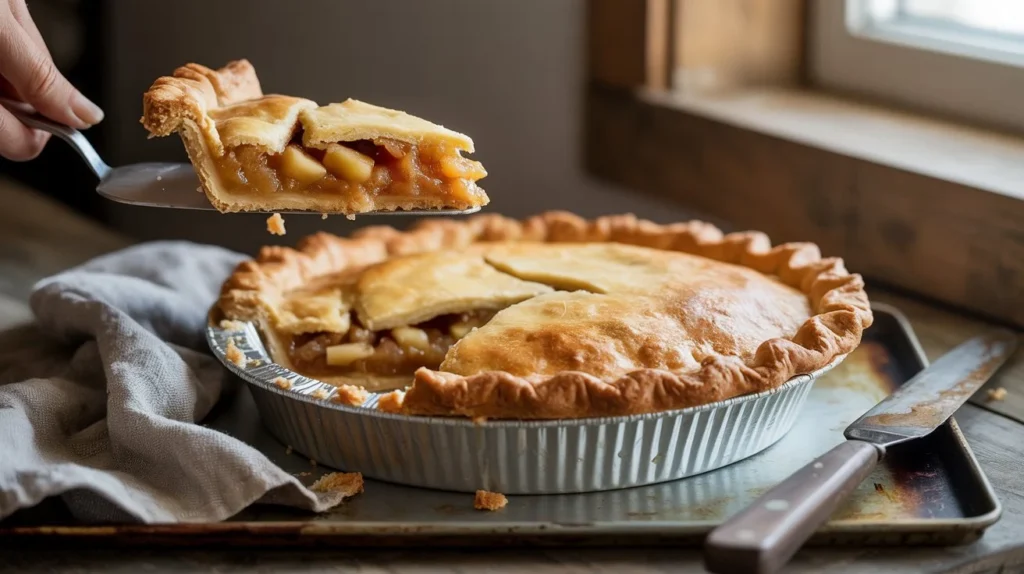
Printable Recipe Card
Want just the essential recipe details without scrolling through the article? Get our printable recipe card with just the ingredients and instructions.