
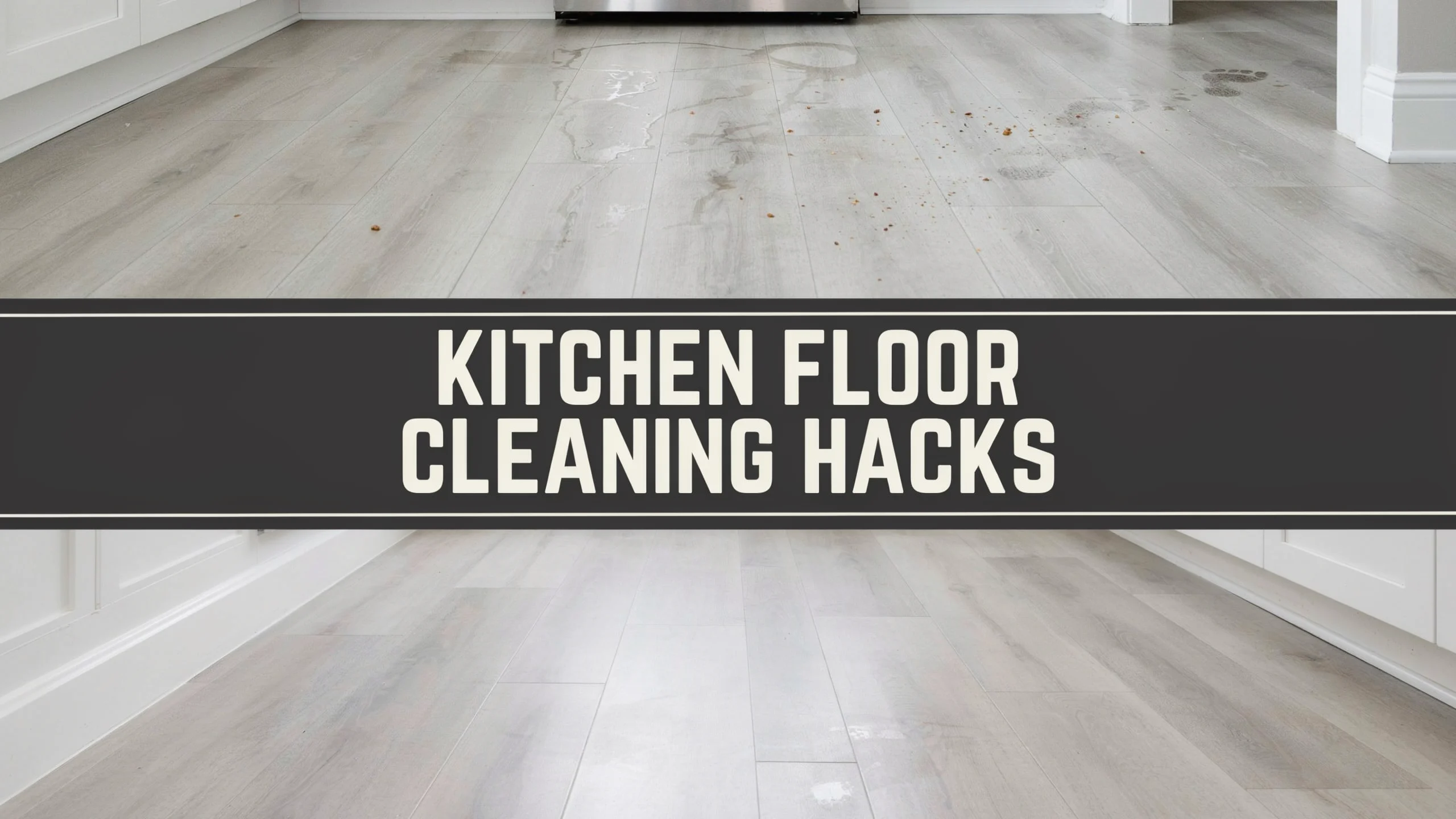
Image source: Digital Mom Blog
A sticky kitchen floor can make even a clean home feel dirty. The good news? In most cases, the problem is not the floor itself — it’s leftover grease, soap buildup, dirty mop water, or using the wrong cleaner. Sticky residue often gets worse when too much cleaning product is used or when floors are mopped without a proper rinse ServiceMaster Clean.
If you’re wondering how to clean sticky kitchen floors without wasting time or damaging the finish, these practical hacks will help you get results fast.
Why Do Kitchen Floors Get Sticky?
Kitchen floors usually turn sticky for a few common reasons: grease in the air settles onto the floor, cleaner residue builds up over time, or dirty mop heads simply spread grime around instead of lifting it away. Residue is especially common when too much solution is used, the cleaner is not diluted correctly, or the floor is never rinsed with clean water afterward ServiceMaster Clean.
What You’ll Need
Before you start, gather a few basics:
- Warm water
- Microfiber mop
- Two buckets
- Soft cloths or towels
- Baking soda
- Mild dish soap for sealed tile or vinyl
- A floor-safe cleaner for your specific flooring type
- Soft-bristle brush for corners and grout
A microfiber mop is a smart choice because it helps reduce streaking and residue compared with older mop styles Mohawk Flooring.
🍫 The Ultimate No-Bake Dessert Ebook 🍓
30 mouthwatering no-bake recipes you can whip up in minutes — creamy cheesecakes, fruity parfaits, chocolatey bars, and more!
- ⚡Quick & easy — no oven required
- 📖30 recipes + bonus treat
- 🍓Chocolate, fruit, nutty & refreshing flavors
- ✨Beautifully designed, instant download
9 Easy Hacks to Clean Sticky Kitchen Floors
1. Start With Hot Water and a Dry Debris Sweep
Before mopping, sweep or vacuum up crumbs, dust, and grit. If you mop over debris, you’ll just turn it into a smeary mess. Manufacturers also recommend removing loose particles first because dirt can scratch and dull the surface over time Mohawk Flooring.
2. Use Less Cleaner, Not More
One of the biggest mistakes people make is adding too much floor cleaner. More product does not mean a deeper clean — it usually means more sticky residue. If the label gives a dilution ratio, follow it exactly ServiceMaster Clean.
Quick hack: If your floor feels tacky after mopping, your first fix should be a plain-water rinse.
3. Mop With Two Buckets
This simple trick works surprisingly well.
- Bucket 1: cleaning solution
- Bucket 2: clean rinse water
Instead of dipping your mop back into dirty solution every time, rinse it first in the second bucket. This helps stop grease and detergent from being spread back across the floor.
4. Try a Warm Water + Tiny Drop of Dish Soap Mix for Sealed Tile or Vinyl
For many sealed tile or vinyl kitchen floors, a small amount of mild dish soap in warm water can help loosen greasy buildup. The important part is small amount. Too much soap creates the same sticky problem you’re trying to fix. When you’re done, rinse the floor with plain water so no film is left behind.
Best for: greasy sealed tile, vinyl, and some linoleum
Avoid on: unfinished wood, waxed floors, or unsealed surfaces
5. Use Baking Soda on Sticky Spots
For corners, food splatters, or tacky patches near the stove, sprinkle a little baking soda onto a damp cloth or sponge and gently scrub the area. This works well for spot cleaning without soaking the floor.
Hack: Make a light paste with baking soda and water for dried spills, then wipe clean with a damp cloth.
6. Change Dirty Mop Heads Fast
A dirty mop head can be the whole reason your kitchen floor still feels gross. Mop fibers can trap old detergent, grease, and grime, then redeposit them during the next pass. Mohawk also notes that microfiber mop heads should be changed when soiled and washed without fabric softener, since residue from softeners can cause streaking Mohawk Flooring.
7. Rinse the Floor After Cleaning
This is the hack most people skip. After using any cleaner, do one final pass with clean water. ServiceMaster specifically points to rinsing as the missing step in many sticky-floor situations because leftover detergent dries into a tacky film ServiceMaster Clean.
If you only remember one tip from this article, make it this one.
8. Match the Cleaner to the Floor Type
Not all kitchen floors should be cleaned the same way.
- Tile: usually handles degreasing well, but grout may hold residue
- Vinyl: do not oversoak; use a gentle cleaner
- Laminate: avoid excess water
- Hardwood: use a pH-neutral cleaner and minimal moisture
For hardwood, Bona warns against cleaning with vinegar and water because acidity can dull the finish over time, while too much moisture can cause swelling or discoloration Bona.
9. Degrease High-Splash Zones More Often
The stickiest parts of the kitchen floor are usually:
- in front of the stove
- near the trash can
- around the sink
- beside prep counters
These areas collect oil, food drips, and foot traffic faster than the rest of the room. If your whole floor feels sticky, start by deep-cleaning these zones first.
Best Homemade Hack by Floor Type
For Sealed Tile or Vinyl
Use warm water with a very small amount of mild dish soap, then rinse with plain water.
For Laminate
Use a damp microfiber mop only — never a soaking wet mop. Too much moisture can leave streaks, haze, and buildup ServiceMaster Clean.
For Hardwood
Use a pH-neutral wood floor cleaner and a fine mist rather than a wet mop. Bona recommends avoiding vinegar-and-water solutions on hardwood because they can break down the protective finish over time Bona.
Image source: Diaz Hardwood Floors
Cleaning Mistakes That Make Floors Sticky
Avoid these common errors:
- using too much cleaner
- reusing dirty mop water
- mopping with a filthy mop head
- skipping the rinse step
- using the wrong cleaner for the floor material
- over-wetting laminate or wood floors
Even fabric softener residue on mop heads can cause streaking and film, which is why manufacturers recommend laundering mop pads carefully Mohawk Flooring.
When a Sticky Floor Needs More Than a Quick Mop
If your kitchen floor still feels tacky after repeated cleaning, you may be dealing with heavy buildup from old products, grease layers, hard water, or floor finish residue. In that case, a deeper reset may be needed with the correct degreaser or floor-safe cleaner ServiceMaster Clean.
Final Thoughts
The fastest way to fix a sticky kitchen floor is to use less product, clean with the right floor-safe method, and always rinse afterward. Most sticky floors are caused by residue, not dirt. Once you remove that film and switch to a microfiber mop with cleaner water, your floor should feel clean again instead of tacky.
For deeper floor-care guidance, check out Bona’s hardwood floor advice and Mohawk Flooring’s cleaning care guide.
FAQ: How to Clean Sticky Kitchen Floors
Why is my floor sticky after I mop?
Usually because of soap residue, too much cleaner, dirty mop water, or not rinsing the floor after washing ServiceMaster Clean.
Can I use vinegar on kitchen floors?
It depends on the floor type. Vinegar may be used carefully on some surfaces, but Bona advises against using vinegar and water on hardwood because it can damage the finish over time Bona.
What is the best mop for sticky floors?
A microfiber mop is one of the best options because it lifts residue well and is less likely to leave streaks when cleaned properly Mohawk Flooring.
How often should I deep-clean a kitchen floor?
High-traffic kitchens usually benefit from weekly thorough cleaning, with spot-cleaning in greasy zones as needed.