
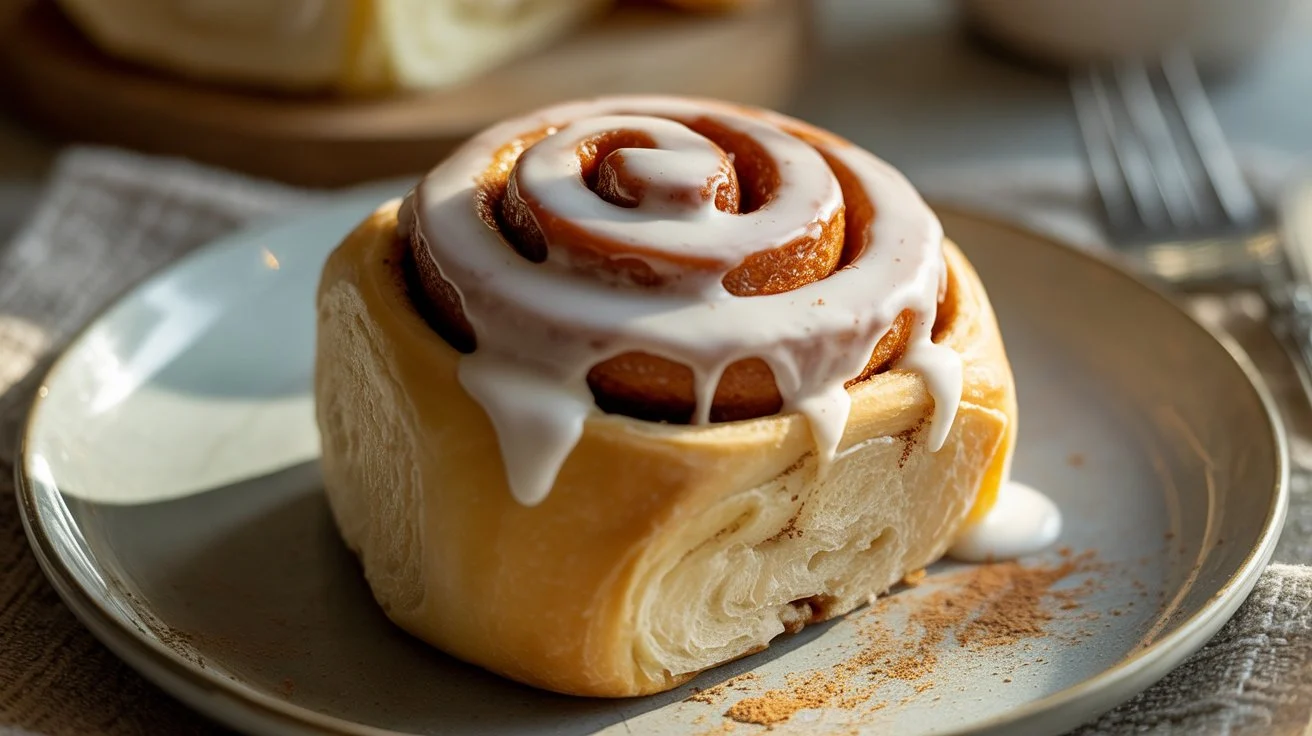
🥐 Cinnamon Rolls For A Crowd Calculator
Professional Batch Calculator – Scale Your Recipe Perfectly
Recipe Calculator
Enter your details below to calculate the perfect amount of ingredients, pan sizes, and timing for your group.
Pro Baking Tips for Large Batches
- Temperature Control: Use an oven thermometer to ensure consistent heat across multiple racks
- Even Rising: Create a warm environment using your oven light or a warm (turned-off) oven
- Dough Consistency: Mix ingredients in smaller batches for better control and consistency
- Time Management: Start preparation 3-4 hours before serving (or night before for overnight method)
- Storage: Keep finished rolls warm in a low oven (170°F) for up to 2 hours
- Quality Control: Taste-test your first batch before making the full quantity
A Complete Guide to Baking Cinnamon Rolls for a Crowd
Baking cinnamon rolls for large groups presents unique challenges that go far beyond simply multiplying ingredients. Whether you’re preparing breakfast for a family reunion, catering a corporate event, or hosting a bake sale, understanding the science and logistics of large-batch baking is essential for consistent, delicious results.
Professional bakers have developed time-tested techniques specifically for scaling sweet yeast breads like cinnamon rolls. These methods ensure that your 50th roll tastes just as perfect as your first, with the same tender crumb, aromatic spice blend, and glossy glaze that makes cinnamon rolls irresistible.
Why Scaling a Recipe Isn’t Enough
Simply multiplying ingredients by the number of batches needed is a common mistake that leads to disappointing results. Yeast behavior changes dramatically in larger quantities, and fermentation times can vary significantly when working with multiple pounds of dough rather than a single batch.
According to professional baking standards, yeast activity doesn’t scale linearly. When making large batches, experienced bakers often reduce the yeast percentage slightly (by about 10-15%) because larger masses of dough retain heat better and ferment more efficiently. This prevents over-proofing, which can result in collapsed, dense rolls with an overly yeasty flavor.
🍫 The Ultimate No-Bake Dessert Ebook 🍓
30 mouthwatering no-bake recipes you can whip up in minutes — creamy cheesecakes, fruity parfaits, chocolatey bars, and more!
- ⚡Quick & easy — no oven required
- 📖30 recipes + bonus treat
- 🍓Chocolate, fruit, nutty & refreshing flavors
- ✨Beautifully designed, instant download
Additionally, mixing large quantities of dough requires different techniques. Hand-mixing becomes impractical beyond 4-6 batches, and even stand mixers struggle with the increased volume. Professional bakers recommend dividing very large quantities into multiple smaller batches rather than attempting to mix everything at once, ensuring each portion receives adequate kneading for proper gluten development.
Common Pitfalls When Baking in Bulk
Even experienced home bakers encounter specific challenges when scaling up cinnamon roll production. Temperature control becomes critical when working with large quantities. Multiple pans in the oven can create hot spots and uneven baking, while large masses of dough can overheat during rising, leading to inconsistent texture.
One of the most frequent mistakes is inadequate workspace preparation. Rolling out dough for 48+ cinnamon rolls requires significantly more counter space than most home kitchens provide. Professional bakers recommend preparing at least 8-10 square feet of clean, floured surface area and having all tools (rolling pins, pastry brushes, knives) readily accessible before beginning.
Ingredient temperature uniformity also becomes crucial at scale. While a single batch might forgive slightly cool milk or eggs, large batches require all dairy and egg ingredients to be at exactly 70-75°F for optimal yeast activation and dough consistency. Many commercial bakeries use warming cabinets or plan ingredient temperature adjustment well in advance.
Timing coordination becomes exponentially more complex with multiple batches. Professional bakers create detailed production schedules, working backwards from serving time to ensure each step—from mixing to final glazing—occurs at precisely the right moment for optimal freshness and quality.
Make-Ahead & Freezing Strategies for Large Batches
Smart make-ahead strategies are essential for successful large-batch cinnamon roll production. The overnight rise method has become the gold standard for professional bakers handling large orders because it allows for better flavor development while spreading the workload across multiple days.
For overnight preparation, shaped rolls should be placed in refrigerated environments between 35-38°F immediately after shaping. This temperature range slows yeast activity to approximately 10% of room temperature rates, allowing for 12-18 hours of controlled fermentation that actually improves flavor complexity through extended enzyme activity.
Freezing strategies offer even greater flexibility for large-scale production. Cinnamon rolls can be frozen at three different stages: after first rise (as dough), after shaping (before final rise), or after baking (fully cooked). Each method serves different timing needs and quality priorities.
When freezing shaped rolls, commercial bakers use a technique called “flash freezing”—placing pans in freezers for 2-3 hours until rolls are solid, then wrapping tightly in plastic and foil. This prevents ice crystal formation that can damage cell structure and create soggy textures upon thawing. Properly frozen cinnamon rolls maintain quality for up to 3 months.
For serving, frozen shaped rolls should be thawed in refrigerated conditions for 8-12 hours, then allowed to complete their final rise at room temperature for 45-90 minutes before baking. This two-stage thawing process prevents condensation issues while ensuring even temperature distribution throughout the dough.
Tips for Perfect Icing, Every Time
Icing consistency and application become critical factors when glazing dozens of cinnamon rolls. Professional bakers understand that large-batch icing requires different ratios and techniques than small-batch preparations to maintain proper flow and coverage.
The ideal icing temperature for large applications is 80-85°F—warm enough to flow smoothly but cool enough to set properly on warm rolls. Commercial bakeries often prepare icing in temperature-controlled environments and use warming trays or double boilers to maintain consistent temperature throughout the glazing process.
Texture control becomes paramount at scale. Professional recipes typically use a combination of powdered sugar, milk, and butter with a small amount of corn syrup (about 1 tablespoon per cup of powdered sugar) to prevent crystallization and maintain glossy appearance even when applied to multiple batches over extended periods.
Application technique for large quantities differs significantly from home methods. Rather than drizzling individual rolls, professional bakers use offset spatulas or pastry brushes to ensure even coverage and prevent waste. For very large batches, some commercial operations use warmed squeeze bottles or small ladles for consistent portion control.
Timing the icing application requires precision with large batches. Rolls should be glazed when internal temperature reaches 140-150°F—warm enough to slightly melt the icing for adhesion, but cool enough to prevent complete melting. Professional bakers often glaze in stages, working with 12-18 rolls at a time to maintain optimal temperature windows throughout the process.
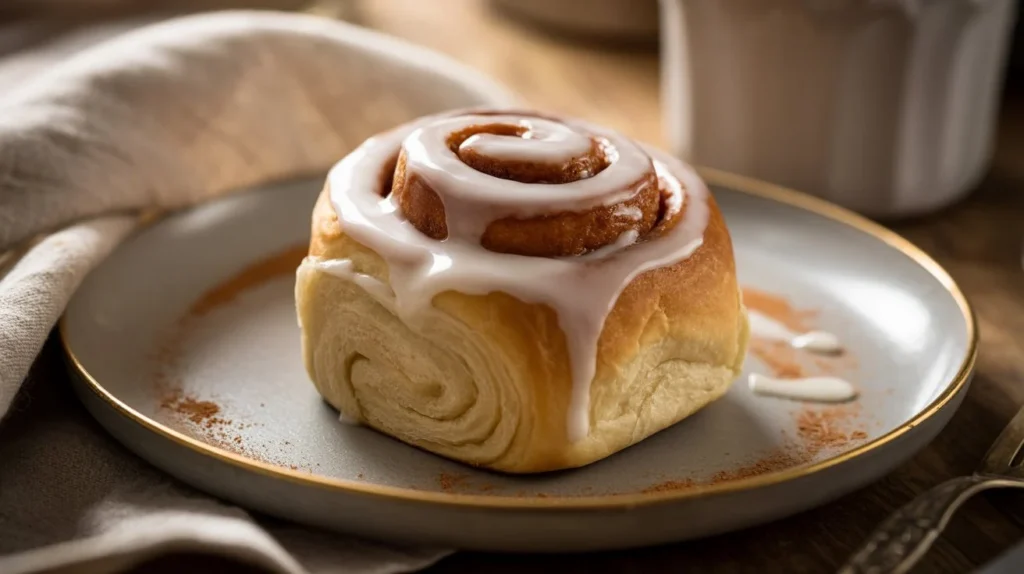
Printable Recipe Card
Want just the essential recipe details without scrolling through the article? Get our printable recipe card with just the ingredients and instructions.