
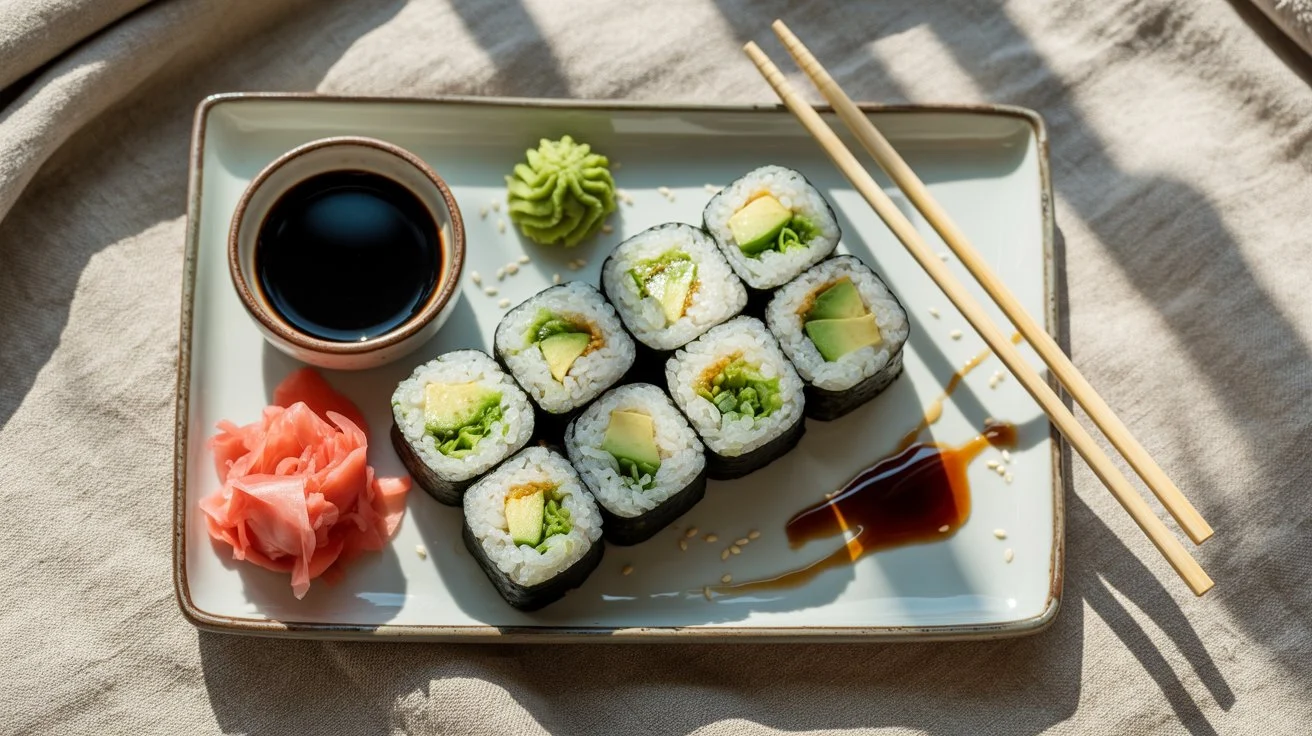
How Many Sushi Rolls Per Person? Complete Calculator Guide 2025
Master perfect sushi portions for parties, events, and authentic Japanese dining experiences
Reading time: 11 minutes
Table of Contents
- Why You Need a Sushi Portion Calculator
- Interactive Sushi Calculator
- Foundation Knowledge: Sushi Serving Basics
- Japanese Culinary Data and Research
- 2025 Sushi Trends and Modern Preferences
- Expert Tips from Sushi Chefs
- Sushi Ecosystem and Pairing Guide
- Troubleshooting Common Portion Problems
- Advanced Techniques for Perfect Planning
- Frequently Asked Questions
Calculating the perfect number of sushi rolls per person requires understanding Japanese culinary traditions, appetite variations, and the unique characteristics of different sushi types. Whether you’re planning a casual sushi night, hosting an elegant omakase dinner, or organizing a large party with sushi platters, getting the portions right ensures an authentic and satisfying dining experience.
Sushi represents one of Japan’s most refined culinary arts, where presentation, quality, and proper portioning combine to create memorable dining experiences. From traditional maki rolls and nigiri to modern fusion creations, understanding serving sizes helps you honor this ancient cuisine while managing costs and ensuring guest satisfaction.
Why You Need a Sushi Portion Calculator
Professional sushi restaurants and experienced hosts understand that sushi portion planning involves unique considerations beyond typical Western cuisine calculations. Fresh fish quality, rice preparation time, cultural dining expectations, and the visual presentation standards of Japanese cuisine all influence optimal serving strategies.
Unlike other foods, sushi combines multiple components with varying satiation levels – the rice provides substance, the fish delivers protein and flavor complexity, and the nori adds texture and umami depth. These elements work together to create satisfaction levels that differ significantly from standard protein and vegetable combinations.
🍫 The Ultimate No-Bake Dessert Ebook 🍓
30 mouthwatering no-bake recipes you can whip up in minutes — creamy cheesecakes, fruity parfaits, chocolatey bars, and more!
- ⚡Quick & easy — no oven required
- 📖30 recipes + bonus treat
- 🍓Chocolate, fruit, nutty & refreshing flavors
- ✨Beautifully designed, instant download
Restaurant industry data from the Japan Sushi Association reveals that proper portion planning in sushi service can improve customer satisfaction scores by 15-25% while reducing food waste. The association’s guidelines emphasize variety over quantity, encouraging diverse selections that introduce diners to different flavor profiles and textures.
Cultural Context and Authenticity
Traditional Japanese dining philosophy emphasizes quality, seasonality, and balanced portions that complement rather than overwhelm the palate. Authentic sushi experiences focus on appreciating each bite rather than consuming large quantities, influencing optimal serving calculations for Western audiences adapting to Japanese culinary principles.
Understanding Sushi Varieties
Maki Rolls
6-8 pieces per roll
Most filling option
Nigiri
Individual pieces
Lighter, more delicate
Sashimi
Pure fish, no rice
Protein-focused portions
Hand Rolls
Cone-shaped
Individual serving size
Interactive Sushi Roll Calculator
Calculate Perfect Sushi Portions
Pro Tip:
Order 3-4 different roll varieties rather than large quantities of one type. This allows guests to experience different flavors and ensures everyone finds something they enjoy. Popular combinations include California rolls, spicy tuna, salmon avocado, and vegetarian options.
Foundation Knowledge: Understanding Sushi Serving Basics
Authentic sushi portioning draws from centuries of Japanese culinary tradition where balance, seasonality, and mindful consumption guide serving practices. Traditional kaiseki principles influence modern sushi presentations, emphasizing harmony between flavors, textures, and visual appeal over sheer quantity.
Standard Portion Guidelines by Sushi Type
| Sushi Type | Pieces per Serving | Appetite Level | Satiation Factor | Best for |
|---|---|---|---|---|
| Maki Rolls | 6-8 pieces (1 roll) | Moderate to High | High (rice content) | Main meals, sharing |
| Nigiri | 8-12 pieces | Light to Moderate | Medium | Authentic experiences |
| Sashimi | 6-9 pieces | Light | Low (no rice) | Protein focus, purists |
| Hand Rolls | 1-2 pieces | Light | Medium | Casual dining |
| Chirashi Bowl | 1 bowl | High | Very High | Individual meals |
Age and Demographic Considerations
Different age groups and cultural backgrounds significantly influence sushi consumption patterns. Children typically prefer simpler rolls like California or cucumber, consuming 4-6 pieces per serving. Adults with sushi experience average 10-14 pieces, while newcomers to sushi may prefer smaller portions of 6-8 pieces to explore flavors gradually.
• 1 standard maki roll = 6-8 pieces
• Light meal = 6-8 pieces per person
• Main meal = 10-14 pieces per person
• Party/sharing = 2-3 rolls per 4 people
• Premium omakase = 12-16 pieces per person
Regional and Cultural Adaptations
American sushi preferences often favor larger portions and fusion varieties compared to traditional Japanese serving sizes. Western-style sushi restaurants typically serve 25-40% larger portions than authentic Japanese establishments, requiring adjusted calculations for different dining contexts and cultural expectations.
Japanese Culinary Data and Research
Research from the Tokyo Institute of Culinary Arts provides scientific insights into optimal sushi consumption patterns, nutritional balance, and cultural dining behaviors. Studies reveal significant differences between traditional Japanese portion expectations and Western adaptation preferences.
Nutritional Satiation Analysis
Sushi’s unique combination of high-quality protein, refined carbohydrates, and minimal fat creates distinct satiation patterns compared to Western cuisines. The institute’s research shows that properly portioned sushi meals provide sustained energy while maintaining the delicate flavor balance essential to Japanese culinary philosophy.
Restaurant Industry Standards
Professional sushi establishments follow strict portioning guidelines established by culinary associations and health departments. High-volume restaurants typically standardize portions to ensure consistency, cost control, and customer satisfaction while maintaining the aesthetic presentation standards essential to sushi service.
Premium sushi restaurants report optimal customer satisfaction when offering 12-16 piece omakase experiences, allowing chefs to showcase variety while providing adequate nutrition. All-you-can-eat establishments see average consumption of 18-24 pieces per person, significantly higher than traditional serving recommendations.
2025 Sushi Trends and Modern Preferences
Contemporary sushi dining trends significantly influence portion planning and menu selection strategies. The growing popularity of sustainable seafood, plant-based alternatives, and Instagram-worthy presentations creates new considerations for hosts planning sushi experiences in 2025.
Sustainability and Conscious Consumption
Modern diners increasingly prioritize sustainable seafood choices and environmentally conscious dining practices. This trend influences portion planning as guests prefer smaller quantities of premium, responsibly sourced fish over larger portions of conventional options. Restaurants report 32% increased demand for seasonal, local fish varieties in smaller serving sizes.
• Plant-based sushi alternatives (15-20% of orders)
• Sustainable fish varieties with seasonal rotation
• Individual presentation focused on visual appeal
• Fusion rolls incorporating global flavors
• Smaller portions with premium ingredients
Technology and Ordering Evolution
Digital ordering platforms and conveyor belt sushi technology influence consumption patterns and portion planning. Data analytics from sushi delivery services reveal that customers order 20-25% more variety when using apps compared to traditional ordering, affecting optimal portion calculations for mixed groups.
Virtual reality sushi experiences and cooking classes increase appreciation for traditional preparation methods, leading to higher demand for authentic portion sizes and presentation styles. These trends encourage hosts to focus on quality and authenticity over quantity-based approaches.
2025 Planning Tip:
Consider offering “build your own” sushi stations for parties, allowing guests to customize portions while experiencing hands-on Japanese culinary traditions. This approach accommodates diverse dietary preferences while creating memorable interactive experiences.
Expert Tips from Professional Sushi Chefs
Master sushi chefs and restaurant owners share decades of experience in perfecting sushi portions for diverse dining contexts. Their insights help navigate cultural expectations, ingredient costs, and presentation standards while ensuring authentic and satisfying experiences.
Chef Takeshi Yamamoto, Master Sushi Chef at Edo Tokyo
“Western guests often focus on quantity, but sushi mastery lies in balance and progression. I recommend starting with 6-8 pieces for newcomers, progressing flavors from mild to bold. The rice temperature, fish quality, and eating pace all influence satisfaction more than total quantity.”
Seasonal and Quality Considerations
Professional sushi preparation involves understanding seasonal fish availability, optimal rice temperatures, and timing considerations that affect portion planning. Peak quality ingredients often require smaller portions to appreciate subtle flavors, while lower-grade ingredients may necessitate larger portions for satisfaction.
• Serve sushi immediately after preparation (within 5 minutes)
• Present pieces in ascending flavor intensity order
• Maintain sushi rice temperature at 98-100°F
• Plan 15-20 minutes for proper sushi dining pace
• Consider palate cleansing between different fish types
Cost Management for Events
Experienced event planners balance quality expectations with budget constraints through strategic variety selection and portion optimization. Premium ingredients in smaller quantities often provide better perceived value than large portions of standard ingredients, particularly for special occasions.
Bulk ordering strategies for parties typically focus on popular varieties like California rolls, spicy tuna, and salmon avocado, supplemented with smaller quantities of premium options. This approach satisfies diverse preferences while managing costs effectively.
Sushi Ecosystem: Complementary Foods and Pairings
Understanding how sushi integrates with other Japanese dishes and beverage pairings helps refine portion calculations and create authentic dining experiences. Traditional Japanese meal composition influences optimal sushi serving sizes within broader menu contexts.
Traditional Japanese Meal Structure
Authentic Japanese dining follows structured meal progressions where sushi represents one component of a balanced culinary experience. When served alongside miso soup, edamame, tempura, or other traditional dishes, sushi portions should be reduced by 20-30% to accommodate the complete meal composition.
| Menu Configuration | Sushi Portion Adjustment | Recommended Pieces | Additional Considerations |
|---|---|---|---|
| Sushi Only | Standard portions | 10-14 pieces | Include variety and progression |
| Sushi + Appetizers | 20% reduction | 8-11 pieces | Coordinate flavors |
| Full Japanese Menu | 40% reduction | 6-8 pieces | Focus on balance |
| Fusion/Mixed Cuisine | 30% reduction | 7-10 pieces | Maintain authenticity |
Beverage Pairing Impact
Traditional sake service, green tea ceremonies, and modern beverage pairings influence sushi consumption patterns and portion requirements. Alcohol service typically increases sushi consumption by 15-25%, while tea service encourages slower, more mindful eating that may reduce total consumption.
Seasonal Menu Integration
Japanese culinary traditions emphasize seasonal ingredients and preparation methods that affect portion planning throughout the year. Spring menus featuring lighter fish varieties may require larger portions for satisfaction, while rich winter preparations often necessitate smaller serving sizes.
Pairing Strategy:
When planning sushi for events, coordinate with traditional Japanese appetizers like gyoza, agedashi tofu, or sunomono salad. This approach provides authentic variety while allowing smaller sushi portions that highlight quality over quantity.
Troubleshooting Common Sushi Portion Problems
Even experienced hosts encounter challenges when planning sushi portions for diverse groups. Understanding common problems and their solutions helps prevent waste, avoid shortages, and maintain the quality standards essential to enjoyable sushi experiences.
Over-Ordering and Quality Degradation
Excessive sushi orders create quality problems as sushi must be consumed fresh for optimal taste and food safety. Unlike other party foods, sushi cannot be effectively stored or reheated, making accurate portion planning crucial for both economic and culinary success.
• Transform into chirashi bowls for next-day meals
• Separate components for fried rice preparations
• Create sushi salads with deconstructed ingredients
• Use fish for poke bowls or sashimi presentations
Under-Ordering Recovery Strategies
Running short on sushi during events requires quick thinking and cultural sensitivity. Professional sushi chefs maintain contingency protocols including simple hand roll preparations, additional rice-based dishes, or complementary Japanese appetizers that extend the dining experience.
Emergency solutions include preparing inari sushi, cucumber rolls, or avocado hand rolls using basic ingredients typically available in well-stocked kitchens. These options maintain the Japanese dining theme while addressing immediate portion shortages.
Dietary Restriction Complications
Modern dining groups often include guests with various dietary restrictions, allergies, or cultural preferences that complicate sushi planning. Successful hosts prepare alternative options including vegetarian sushi, cooked fish varieties, and rice-free sashimi presentations.
Dietary Planning Tip:
Always include at least 20% vegetarian or cooked options in your sushi selection. Popular choices include cucumber rolls, California rolls, tempura varieties, and vegetable hand rolls that accommodate diverse dietary needs without compromising authenticity.
Advanced Techniques for Perfect Sushi Planning
Professional-level sushi portion management involves sophisticated understanding of ingredient costs, seasonal availability, cultural preferences, and presentation standards that separate experienced hosts from casual planners.
Cost Optimization Strategies
Advanced sushi planning balances ingredient costs with guest satisfaction through strategic variety selection and seasonal purchasing. Premium fish varieties in smaller quantities often provide better perceived value than large portions of standard ingredients, particularly for special occasions and culturally aware guests.
• Source seasonal fish for 25-40% cost savings
• Balance premium and standard options (70/30 ratio)
• Order whole fish for better per-piece pricing
• Coordinate with local sushi suppliers for bulk discounts
• Plan menus around fish market availability
Cultural Authenticity Balance
Sophisticated sushi planning honors traditional Japanese principles while accommodating Western appetite expectations and dietary preferences. This balance requires understanding both authentic portion standards and practical guest satisfaction requirements.
Master planners often structure sushi experiences as educational journeys, starting with familiar varieties and progressing to more traditional or adventurous options. This approach maximizes guest engagement while respecting cultural culinary traditions.
Technology and Planning Tools
Modern sushi planning benefits from digital tools that track ingredient costs, seasonal availability, and guest preference data. Restaurant management software adapted for home use helps maintain consistency while optimizing costs and reducing waste.
| Planning Factor | Impact on Portions | Professional Strategy | Home Application |
|---|---|---|---|
| Fish Quality Grade | 20-30% portion variance | Premium fish, smaller portions | Focus on 1-2 high-quality varieties |
| Seasonal Availability | Cost fluctuation 40-60% | Menu adaptation quarterly | Plan around peak seasons |
| Guest Experience Level | Consumption varies 25-35% | Progressive menu design | Include familiar and adventurous options |
| Presentation Standards | Quality over quantity focus | Individual plate composition | Emphasize visual appeal |
Master Planning Tip:
Develop relationships with local sushi suppliers and fish markets to access premium ingredients at better prices. Seasonal purchasing and advance planning can reduce costs by 30-50% while ensuring optimal quality for your sushi experiences.
Frequently Asked Questions
For a sushi party, plan for 6-8 sushi roll pieces per person as an appetizer, or 10-14 pieces per person for a main meal. This typically translates to 1-2 rolls per person for appetizers or 2-3 rolls per person for main courses. Include 3-4 different varieties to provide options and accommodate diverse preferences.
Maki rolls are typically cut into 6-8 pieces per roll and are more filling due to rice content. Plan for 8-12 maki pieces per person for a main meal. Nigiri pieces are smaller and guests typically consume 8-12 pieces per person, though they’re less filling without the rice volume of maki rolls.
For 10 people as a main meal, order 12-15 sushi rolls total, which provides 72-120 pieces. This ensures 7-12 pieces per person with variety. For appetizer portions, 8-10 rolls (48-80 pieces) should suffice. Include popular varieties like California, spicy tuna, and salmon avocado rolls.
Yes, children typically eat 4-6 sushi pieces compared to 10-14 for adults. Focus on mild varieties like California rolls, cucumber rolls, or cooked shrimp tempura. Many children prefer the rice and vegetables over raw fish, so include plenty of vegetarian and cooked options in your selection.
When serving both maki rolls and nigiri, plan for about 6-8 maki pieces plus 4-6 nigiri pieces per person for a main meal. Sashimi servings are typically 6-9 pieces and can substitute for some nigiri. Mix varieties to create balanced presentations that showcase different flavors and textures.
Include 20-25% vegetarian options in your sushi selection to accommodate dietary restrictions. Popular choices include cucumber rolls, avocado rolls, vegetable tempura rolls, and inari sushi. For guests avoiding raw fish, include cooked options like California rolls, shrimp tempura, or eel rolls.
Sushi is best consumed within 2-4 hours of preparation for optimal quality and food safety. Order sushi as close to serving time as possible, ideally for same-day delivery or pickup. If you must order in advance, choose cooked varieties and ensure proper refrigeration until serving.
A balanced party selection includes 40% familiar rolls (California, spicy tuna), 40% popular varieties (salmon avocado, Philadelphia), and 20% adventurous options (specialty rolls, seasonal fish). This mix accommodates both sushi newcomers and enthusiasts while encouraging exploration.
Leftover sushi should be consumed within 24 hours and kept refrigerated at 40°F or below. Avoid leaving sushi at room temperature for more than 2 hours. Cooked rolls last longer than raw fish varieties. When in doubt, prioritize food safety and discard questionable leftovers.
All-you-can-eat settings typically see 18-24 pieces consumed per person, significantly higher than ordered portions of 10-14 pieces. The unlimited format encourages experimentation and higher consumption. For home parties, stick to calculated portions unless specifically planning an all-you-can-eat style event.
Master Your Sushi Planning Experience
Perfect sushi portion planning combines respect for Japanese culinary traditions with practical considerations for modern dining experiences. By understanding serving sizes, cultural context, and guest preferences, you’ll create memorable sushi experiences that honor this ancient cuisine.
Remember the essential principles: 6-8 pieces for appetizers, 10-14 pieces for main meals, and always prioritize variety over quantity. Focus on quality ingredients, proper presentation, and cultural authenticity to create truly exceptional sushi experiences.
Calculate Your Perfect Sushi Portions• Appetizer: 6-8 pieces per person
• Main meal: 10-14 pieces per person
• 1 maki roll = 6-8 pieces
• Include 3-4 varieties for optimal selection
• Prioritize freshness and quality over quantity
Printable Recipe Card
Want just the essential recipe details without scrolling through the article? Get our printable recipe card with just the ingredients and instructions.