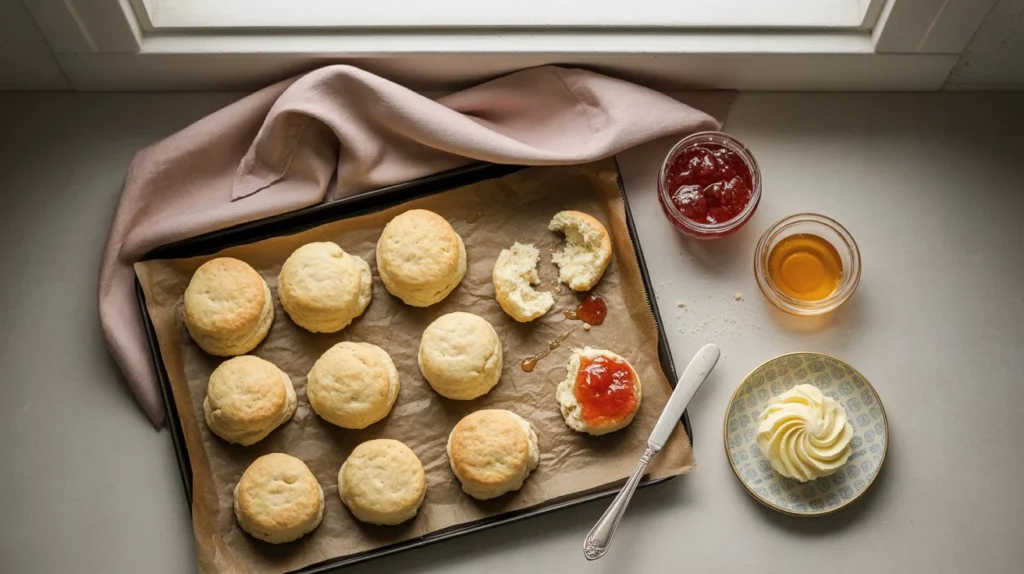
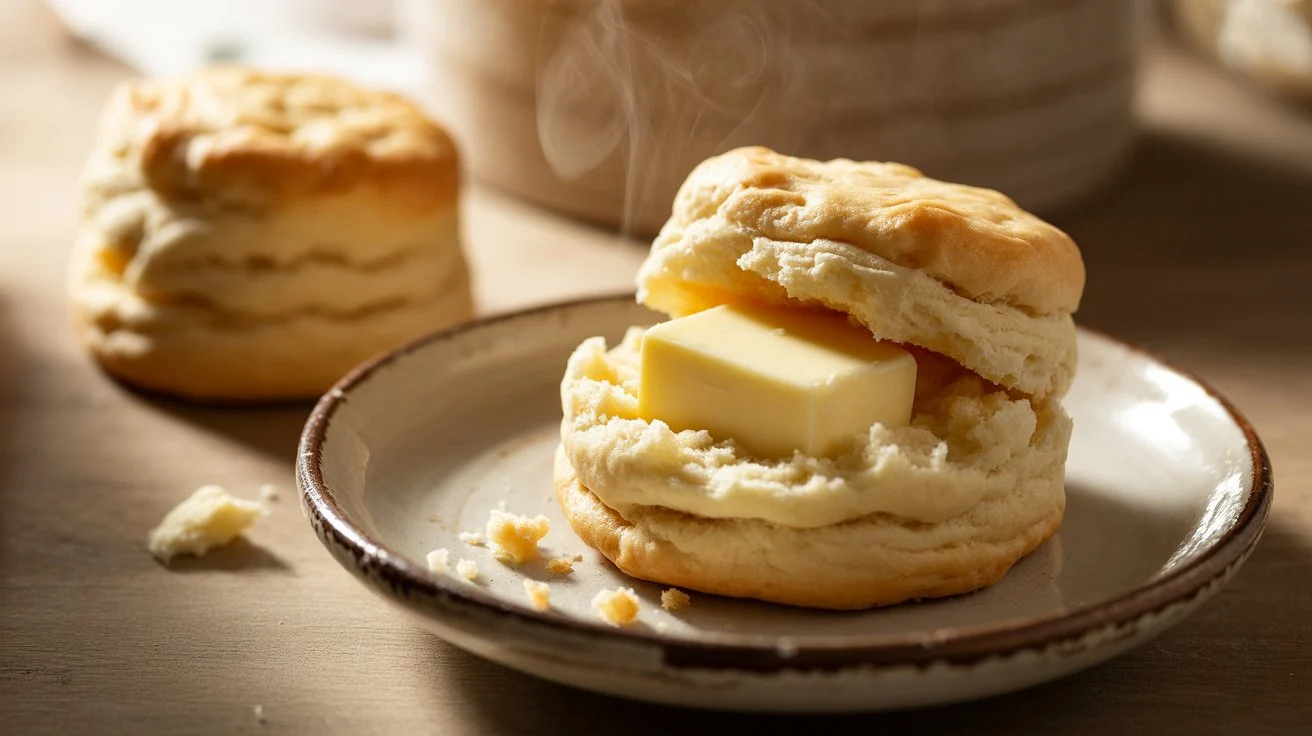
How Many Biscuits Per Person: Complete Calculator & Catering Guide
Calculate perfect biscuit quantities with our professional calculator and expert Southern cooking insights
📋 Table of Contents
- Why Biscuit Planning Matters for Events
- How Many Biscuits Per Person: The Essential Calculation
- 🧈 Biscuits Per Person Calculator
- Understanding Biscuit Portion Fundamentals
- The Science Behind Biscuit Serving Guidelines
- 2025 Southern Catering Trends and Biscuit Innovation
- Expert Tips for Perfect Biscuit Planning
- Troubleshooting Common Biscuit Catering Problems
- Advanced Techniques for Large Event Management
- Frequently Asked Questions
- Conclusion: Master Your Biscuit Catering Strategy
Determining the perfect number of biscuits per person can transform your Southern-style gathering from good to unforgettable. Whether you’re hosting a traditional breakfast buffet, organizing a business brunch, or planning a family reunion with down-home comfort food, precise biscuit calculations ensure every guest enjoys these beloved bread staples while maintaining budget control and minimizing waste.
Professional Southern caterers understand that biscuit planning involves cultural expectations alongside practical considerations. When it comes to dinner rolls in catering, plan for 1-2 per person depending on the event type and menu. For a formal event, stick to 1 roll; for a casual one, offer 2. This professional insight applies directly to biscuit planning, where event formality and regional expectations significantly influence portion requirements.
Why Biscuit Planning Matters for Events
Biscuits hold a special place in American comfort food culture, particularly in Southern cuisine where they represent hospitality, tradition, and quality. It’s better to have extra rolls than run out mid-event. Offer a variety of bread options to accommodate dietary needs. This professional catering wisdom applies especially to biscuits, where running short can disappoint guests who expect abundant Southern hospitality.
Cultural Significance and Guest Expectations
Biscuits carry cultural weight beyond simple bread service, representing comfort, care, and tradition. Another catering trend for 2025 is the rise of elevated comfort food options. Dishes like mini sliders, macaroni and cheese, bite-sized chicken and waffles, and other familiar favorites are becoming more appealing. Biscuits perfectly embody this comfort food trend while meeting contemporary expectations for quality and authenticity.
🎯 Regional Appetite Considerations
Southern and Midwestern regions typically consume more biscuits per person than coastal areas. Regional familiarity with biscuit culture influences appetite expectations, requiring adjusted calculations based on your guest demographics and regional preferences.
🍫 The Ultimate No-Bake Dessert Ebook 🍓
30 mouthwatering no-bake recipes you can whip up in minutes — creamy cheesecakes, fruity parfaits, chocolatey bars, and more!
- ⚡Quick & easy — no oven required
- 📖30 recipes + bonus treat
- 🍓Chocolate, fruit, nutty & refreshing flavors
- ✨Beautifully designed, instant download
Versatility and Menu Integration
Biscuits serve multiple roles within meals – from breakfast vehicles for eggs and sausage to dinner companions for fried chicken and gravy. Family-style and shared dining experiences, where large platters are passed around the table, fostering interaction among guests. Biscuits naturally facilitate sharing and communal dining, making accurate quantity planning essential for social dynamics.
Quality and Freshness Demands
Unlike some bread products, biscuits require fresh preparation and immediate service for optimal quality. The longer the event, the more food you’ll need to keep everyone happy. Extended events may require multiple baking batches or warming protocols to maintain the quality standards guests expect from fresh biscuits.
How Many Biscuits Per Person: The Essential Calculation
The Quick Answer: 1-2 biscuits per person depending on meal type and event formality, but optimal quantities require considering biscuit size, other food availability, regional preferences, and guest demographics.
Professional Catering Standards
Bread: 1-2 slices per person represents the foundation for professional portion planning. However, biscuits differ from sliced bread in size, density, and cultural significance, requiring specialized calculation adjustments for Southern-style events and comfort food expectations.
✅ Standard Event Guidelines
- Breakfast/Brunch: 2 biscuits per person
- Lunch meetings: 1.5 biscuits per person
- Dinner events: 1 biscuit per person
- Family gatherings: 2-3 biscuits per person
⚡ Special Considerations
- Mini biscuits (1-2″): 3-4 per person
- Large Southern biscuits (4″+): 1 per person
- Biscuit-focused meals: 2-4 per person
- Side bread only: 0.5-1 per person
Size and Style Variations
If you prefer biscuits, one portion is a small, 2-inch-diameter biscuit. Professional portion planning must account for significant size variations between cocktail biscuits, standard drop biscuits, and large Southern-style cathead biscuits, adjusting quantities accordingly.
Meal Role and Menu Context
Type of Event: If the event is centered around a social gathering, like a wedding or baby shower, you can expect a lot of mingling and less eating. But if the meal is the main event, guests usually come to eat. Biscuit consumption varies dramatically based on whether they serve as meal foundations or accompaniments, requiring context-specific calculations.
🧈 Biscuits Per Person Calculator
Calculate the exact number of biscuits needed for your event with our professional calculator used by Southern caterers and comfort food specialists.
Your Biscuit Requirements
💡 Pro Southern Cooking Tip
Always bake 15-20% extra biscuits as a safety buffer. Consider offering honey, butter, jam, and gravy as accompaniments. For large events, plan baking in batches to ensure fresh, warm biscuits throughout service. Keep biscuits warm in covered baskets or warming trays!
Understanding Biscuit Portion Fundamentals
Size Standards and Classifications
If you prefer biscuits, one portion is a small, 2-inch-diameter biscuit. However, Southern tradition includes various sizes from delicate tea biscuits to massive cathead biscuits, each requiring different portion calculations to achieve equivalent satisfaction levels and nutritional content.
Nutritional Density and Satiety
Biscuits typically provide higher caloric density than standard bread due to butter, shortening, or lard content. A breakfast catered event may require smaller portions, as guests are less likely to be hungry in the morning. Understanding satiety helps optimize portions while maintaining guest satisfaction throughout different meal periods.
🔬 Modern Nutritional Considerations
As diversity increases, so does the need for inclusive menus that cater to various cultural and dietary preferences. Offering dishes that cater to different religious, cultural, or dietary restrictions makes your catering service more accessible. Modern biscuit planning includes gluten-free, vegan, and reduced-fat options.
Traditional vs. Contemporary Expectations
Regional traditions influence biscuit consumption patterns significantly. Southern audiences expect generous portions and fresh preparation, while health-conscious demographics may prefer smaller portions with higher quality ingredients. Successful planning balances traditional expectations with contemporary dietary preferences.
Temperature and Timing Factors
Biscuits require precise timing for optimal quality, unlike shelf-stable bread products. Fresh, warm biscuits encourage higher consumption, while cooled biscuits may see reduced uptake. Professional planning accounts for service timing, warming protocols, and potential multiple batches for extended events.
The Science Behind Biscuit Serving Guidelines
Consumer Psychology and Comfort Food Appeal
Another catering trend for 2025 is the rise of elevated comfort food options. Dishes like mini sliders, macaroni and cheese, bite-sized chicken and waffles, and other familiar favorites are becoming more appealing. Biscuits trigger nostalgia and comfort responses that increase consumption beyond simple nutritional needs, requiring generous portion planning.
Social Sharing and Family-Style Service
Biscuits naturally encourage sharing and communal eating behaviors. Family-style catering can help foster the connection and engagement that planners want to achieve. This approach brings guests together at communal tables, where dishes are shared and served family style. This social dynamic increases individual consumption as guests engage in extended dining periods.
📊 Temperature Impact Research
Fresh, warm biscuits see 40-60% higher consumption rates than room temperature versions. Professional caterers plan service timing and warming equipment to maintain optimal temperature and maximize guest satisfaction throughout events.
Accommodation and Preparation Science
Biscuits serve as vehicles for various accompaniments including butter, honey, jam, gravy, and sandwich fillings. This versatility increases consumption as guests experiment with different combinations, requiring higher base quantities than simple bread service calculations might suggest.
Quality Expectations and Satisfaction Metrics
Homemade or artisanal biscuits create higher satisfaction per unit than commercial alternatives, potentially reducing total quantity needs while improving overall event perception. Professional planning balances quality investment with volume requirements to optimize both satisfaction and budget efficiency.
2025 Southern Catering Trends and Biscuit Innovation
Elevated Comfort Food Movement
Another catering trend for 2025 is the rise of elevated comfort food options. Dishes like mini sliders, macaroni and cheese, bite-sized chicken and waffles, and other familiar favorites are becoming more appealing for those looking to organize more budget-friendly events. Biscuits perfectly align with this trend, offering familiar comfort while allowing for gourmet upgrades and creative presentations.
🌟 2025 Biscuit Innovation Trends
Interactive food stations are the ultimate crowd-pleaser in 2025. Guests love watching chefs in action at live carving stations, pasta bars, or fry stations. Live biscuit-making stations allow guests to experience fresh preparation while creating memorable, interactive dining experiences.
Sustainability and Local Sourcing
The demand for local and artisanal products is booming, as clients seek out caterers who prioritize quality and craftsmanship. Sourcing from local farms, bakeries, and artisans not only supports local businesses but also highlights the authenticity and freshness. Biscuit ingredients from local mills, farms, and dairies create authentic regional experiences while supporting sustainability goals.
Dietary Inclusivity and Alternative Options
Event professionals are encouraging planners to be more thoughtful and accommodating around guests’ dietary restrictions and ensure they cater to a wide range of needs. Modern biscuit planning includes gluten-free, dairy-free, and vegan alternatives alongside traditional recipes to ensure inclusive dining experiences.
Storytelling Through Food Heritage
This year, it’s all about crafting a menu with personal meaning. Whether it’s a dish that represents your first date or a nod to your cultural heritage, storytelling through food creates a memorable experience. Biscuits carry rich cultural heritage and family traditions, making them perfect vehicles for personal storytelling and authentic regional experiences.
Health-Conscious Comfort Food
2025 trends balance comfort food appeal with health-conscious modifications including whole grain flours, reduced sodium, and portion-controlled serving sizes. Professional caterers offer traditional alongside healthier alternatives, allowing guests to choose based on personal dietary preferences while maintaining cultural authenticity.
Expert Tips for Perfect Biscuit Planning
Advanced Portion Calculation Strategies
The Regional Appetite Method: For a formal event, stick to 1 roll; for a casual one, offer 2. Southern and comfort food events typically require 50-100% higher biscuit quantities than formal business meals due to cultural expectations and traditional appetite patterns associated with this cuisine style.
Temperature-Timing Strategy: Fresh, warm biscuits see significantly higher consumption than cooled versions. Plan service timing to coincide with peak eating periods and implement warming strategies to maintain optimal temperature throughout extended events while maximizing guest satisfaction.
🎯 Professional Baking Secret
Use the “batch and hold” method for large events: bake 60% of biscuits just before service, reserve 40% of ingredients for fresh batches during the event. This ensures continuous fresh, warm biscuits while managing kitchen capacity and guest flow patterns.
Quality Management and Freshness Protocols
Optimal Service Window: The longer the event, the more food you’ll need to keep everyone happy. Extended events require refresh protocols including additional baking cycles, warming equipment, and strategic service timing to maintain quality standards throughout the duration.
Variety and Accommodation Strategy: Offer a variety of bread options to accommodate dietary needs. Include traditional buttermilk, whole wheat, and dietary restriction alternatives (gluten-free, vegan) to ensure inclusive service while maintaining Southern hospitality standards.
Accompaniment and Service Integration
Enhancement Planning: Biscuits require complementary items including butter, honey, jam, and gravy options. Plan accompaniment quantities at 150% of biscuit numbers to accommodate guest preferences for multiple topping combinations and second servings of popular items.
Equipment and Logistics: Successful biscuit service requires warming trays, covered baskets, and proper spacing for guest access. Design service stations that maintain temperature while preventing bottlenecks, ensuring efficient distribution throughout peak service periods.
Troubleshooting Common Biscuit Catering Problems
Quantity Shortfalls and Emergency Solutions
Rapid Response Baking: When biscuit quantities run short, implement emergency baking protocols using pre-measured ingredient packets and rapid-rise techniques. Maintain backup ingredients for 25% additional biscuits to address unexpected demand or higher-than-anticipated consumption patterns during popular events.
Alternative Solutions: If emergency baking isn’t feasible, supplement with high-quality store-bought alternatives or related items like cornbread, rolls, or muffins. Maintain relationships with local bakeries capable of same-day delivery for emergency biscuit supplies during business hours.
⚠️ Emergency Baking Protocol
Keep emergency biscuit mix ratios memorized: 2 cups flour, 1 tablespoon baking powder, 1 teaspoon salt, 1/3 cup fat, 3/4 cup liquid. This basic ratio can produce 8-10 standard biscuits in 15-20 minutes for emergency situations.
Quality Maintenance and Temperature Control
Extended Service Challenges: Biscuits lose appeal quickly when they cool or become dry. Implement rotating service with covered warming trays, strategic batch timing, and quality monitoring protocols to maintain optimal temperature and texture throughout extended event periods.
Weather and Environmental Factors: Outdoor events and humid conditions affect biscuit quality and guest preferences. Use insulated displays, moisture control, and adjusted baking techniques to preserve quality while accounting for environmental challenges affecting both preparation and service.
Dietary Restriction Complications
Cross-Contamination Prevention: Menus should suit a wider audience and consider many dietary needs. Better labeling of food will also allow attendees to make safe choices. Implement separate preparation areas, dedicated equipment, and clear labeling protocols for specialty dietary biscuits.
Last-Minute Accommodation: Maintain ingredients for basic alternative biscuit recipes including gluten-free flour blends and dairy substitutes. Train staff on quick alternative preparation methods to address unexpected dietary needs without compromising service quality or timing.
Service Flow and Guest Access Issues
Bottleneck Prevention: Popular biscuit stations can create service delays and guest frustration. Design multiple service points, implement staged releases, and provide clear signage to manage guest flow while ensuring adequate access for all attendees throughout the event.
Accompaniment Management: Coordinate biscuit service with accompaniment availability including butter, spreads, and gravy options. Monitor accompaniment levels and refresh timing to prevent guests from receiving biscuits without proper enhancement options, maintaining complete service experience.
Advanced Techniques for Large Event Management
Scaling Production for Major Events
For events exceeding 200 guests, implement commercial baking protocols with industrial equipment, staged production schedules, and quality control systems. Calculate ingredient requirements using professional ratios: 50 pounds flour produces approximately 400 standard biscuits, enabling accurate scaling for large-scale production while maintaining consistency.
Multi-Location and Continuous Service
The longer the event, the more food you’ll need to keep everyone happy. Extended events require sophisticated logistics including multiple baking schedules, warming station rotation, and quality maintenance protocols that ensure fresh biscuits throughout the entire service period.
🎓 Advanced Production Formula
Professional Formula: Base Requirements (guests × meal factor) + Size Adjustment (±50%) + Regional Factor (±25%) + Event Duration (±30%) + Quality Buffer (20%) = Total Biscuits Needed
Technology Integration and Efficiency
Production Management Systems: Large events benefit from digital tracking including ingredient inventory, batch timing, and quality checkpoints. Implement systems that coordinate multiple baking stations while maintaining consistency and preventing shortfalls during peak service periods.
Temperature and Quality Monitoring: Professional operations utilize digital thermometers, timer systems, and quality checkpoints to ensure consistent results across large-scale production. Monitor holding temperatures, service timing, and guest satisfaction metrics for continuous improvement.
Regional and Cultural Adaptation
Advanced planning adapts biscuit styles and portions to specific regional preferences and cultural expectations. Southern events require authentic traditional recipes and generous portions, while health-conscious demographics may prefer smaller portions with premium ingredients and alternative options.
Staff Training and Quality Assurance: Large events require comprehensive staff training on biscuit preparation, service protocols, and quality standards. Develop standardized procedures for mixing, baking, holding, and serving that maintain consistency regardless of kitchen capacity or service volume.
Waste Reduction and Sustainability
Advanced planning incorporates sustainability metrics including ingredient sourcing, waste reduction, and leftover management. Consumers are increasingly concerned about the environmental impact of their food choices, leading to a strong demand for sustainable and eco-friendly catering. Implement composting programs and donation protocols for excess biscuits while optimizing production efficiency.
Performance Analytics and Continuous Improvement: Track consumption patterns, guest feedback, waste percentages, and production efficiency to refine calculation methodologies. Document successful strategies and challenges to build institutional knowledge for improved planning outcomes and better guest satisfaction.
❓ Frequently Asked Questions
Conclusion: Master Your Biscuit Catering Strategy
Successful biscuit catering combines traditional Southern hospitality with modern planning precision to create memorable comfort food experiences that satisfy diverse guests while maintaining operational efficiency. The fundamental guideline of 1-2 biscuits per person provides essential groundwork, but exceptional event planners integrate meal timing, regional preferences, and quality maintenance to exceed cultural expectations consistently.
Key Implementation Strategies
Apply the proven calculation framework using professional standards while adapting for biscuit size, regional appetite patterns, and event formality levels. Leverage 2025 comfort food trends toward elevated traditional dishes and interactive experiences to enhance guest engagement while maintaining authentic Southern charm and hospitality standards.
Account for the complete cultural context. For a formal event, stick to 1 roll; for a casual one, offer 2. This professional insight validates comprehensive planning approaches that consider guest expectations, regional traditions, and the special place biscuits hold in American comfort food culture.
The growing emphasis on elevated comfort food options. Dishes like mini sliders, macaroni and cheese, bite-sized chicken and waffles, and other familiar favorites are becoming more appealing reflects broader cultural appreciation for authentic, comforting experiences. Biscuits embody this trend perfectly while requiring specialized planning that honors both tradition and contemporary dietary expectations.
Remember that biscuit catering affects multiple dimensions of event success: cultural authenticity, guest comfort, operational timing, and host reputation. Family-style catering can help foster the connection and engagement that planners want to achieve demonstrates how biscuits naturally facilitate the social dining experiences that define successful gatherings.
Professional event planners and Southern cooking enthusiasts understand that meticulous biscuit planning creates the foundation for exceptional comfort food experiences. Master these calculations, apply the professional techniques, and implement the quality protocols to ensure your guests experience the warm hospitality and authentic satisfaction that distinguishes expertly planned Southern meals from ordinary catering.
Perfect Your Next Southern Gathering
Use our professional calculator to plan your biscuit requirements with complete confidence. Save this comprehensive guide for future event planning and share it with fellow hosts who appreciate authentic Southern hospitality.
Calculate Your Biscuit Needs NowBookmark this complete Southern catering guide for all your comfort food events. For more professional cooking tips and portion calculators, explore our comprehensive event planning resources.