If you miss soft, foldable bread on a low-carb diet, this keto coconut flour flatbread is a game changer. It’s light, flexible, and surprisingly quick to make with a short list of ingredients. You can use it for wraps, quesadillas, gyros, or even as a base for mini pizzas.
The texture is soft and tender, not crumbly like many grain-free breads. Best of all, it cooks in minutes and holds up beautifully to fillings and sauces.
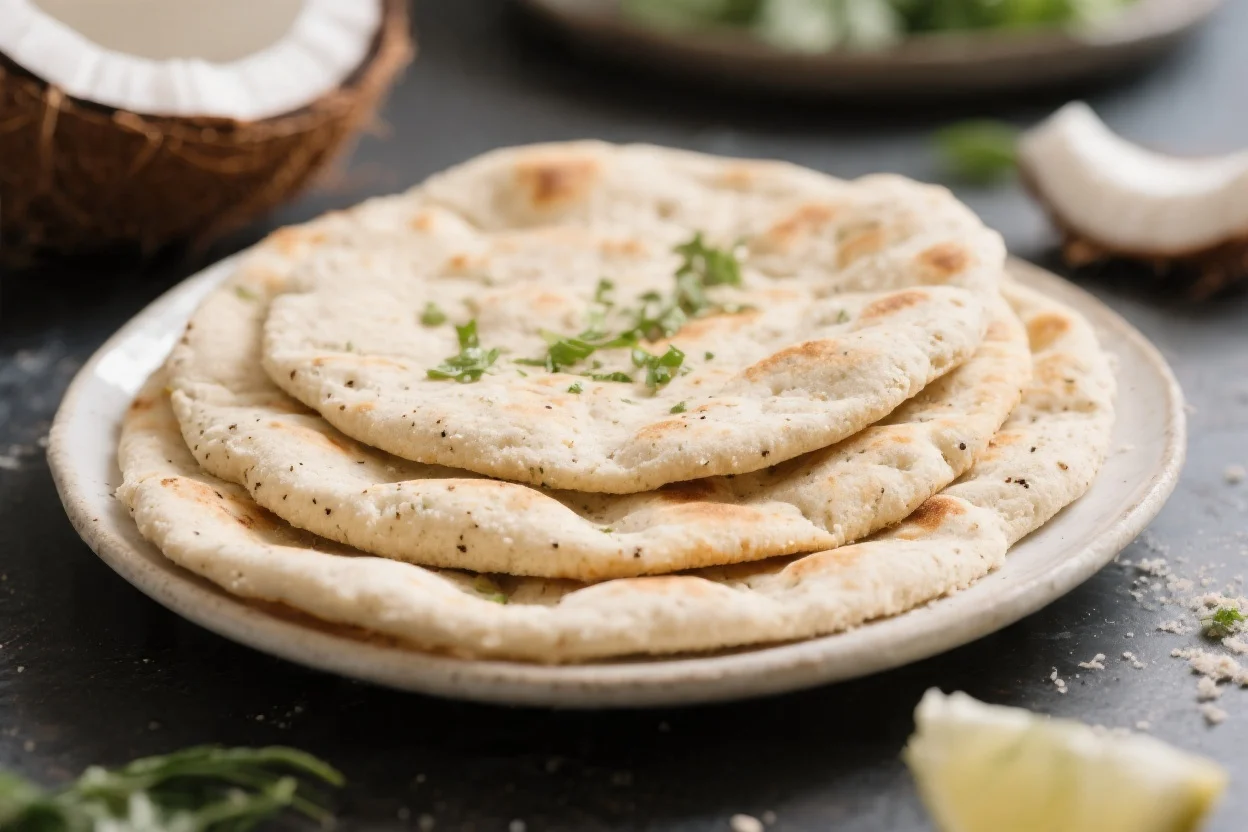
Keto Coconut Flour Flatbread Soft Simple and Low-Carb – Easy, Everyday Recipe
Ingredients
Method
- Whisk the wet ingredients: In a medium bowl, whisk the eggs until smooth. Add almond milk and olive oil, and whisk again until combined.
- Combine the dry ingredients: In a separate small bowl, stir together coconut flour, baking powder, salt, and any optional seasonings. Sifting the coconut flour helps avoid lumps.
- Make the batter: Sprinkle the dry mix into the wet mixture while whisking. Let the batter rest for 2–3 minutes to allow the coconut flour to hydrate. It should be pourable, like thick pancake batter. If it’s too thick, whisk in 1–2 teaspoons more almond milk at a time.
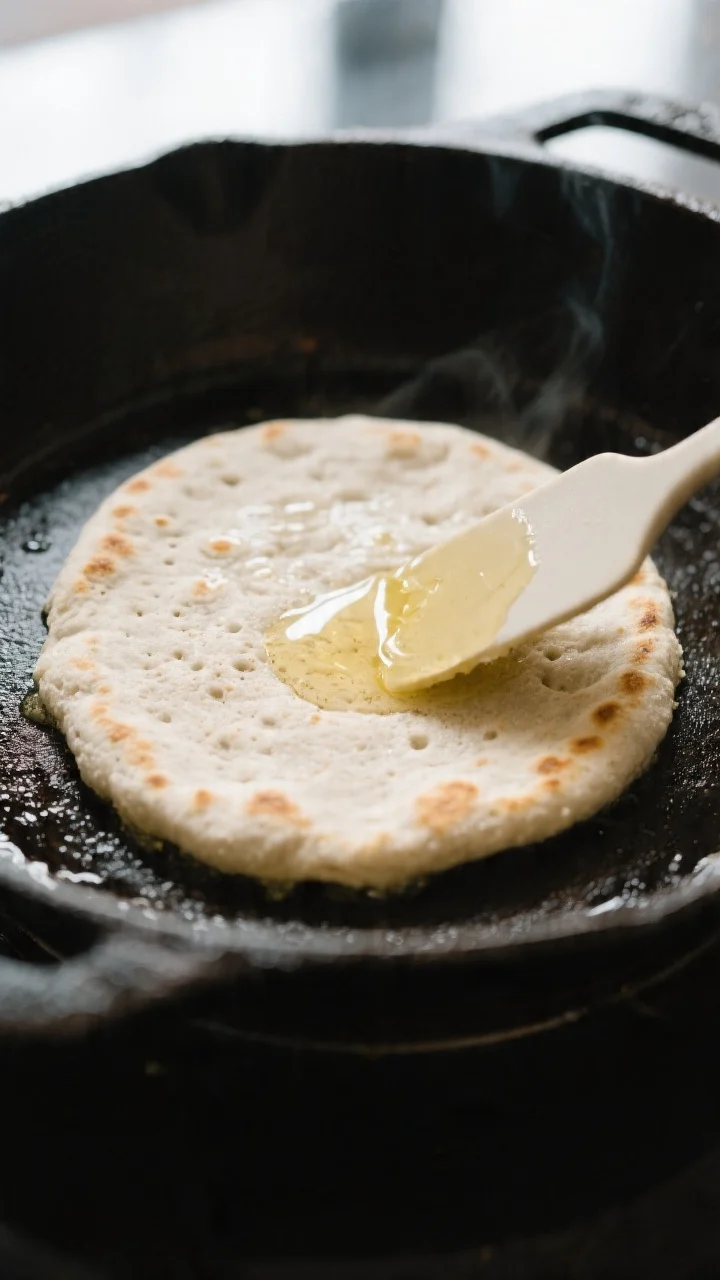
- Preheat the pan: Heat a nonstick skillet or well-seasoned cast-iron pan over medium heat. Lightly brush with olive oil or ghee.
- Cook the first flatbread: Pour about 1/4 cup of batter into the pan. Quickly tilt and swirl the pan to spread it into a thin circle, roughly 6–7 inches wide.
- Flip once bubbles form: Cook for 60–90 seconds, until the edges look set and the surface shows small bubbles. Carefully flip with a thin spatula and cook another 45–60 seconds. The flatbread should be lightly golden and flexible.
- Adjust heat as needed: If it browns too fast, reduce the heat slightly. If it takes too long to set, increase the heat a touch.
- Repeat: Lightly re-grease the pan and repeat with the remaining batter. You should get 4–5 flatbreads depending on thickness.
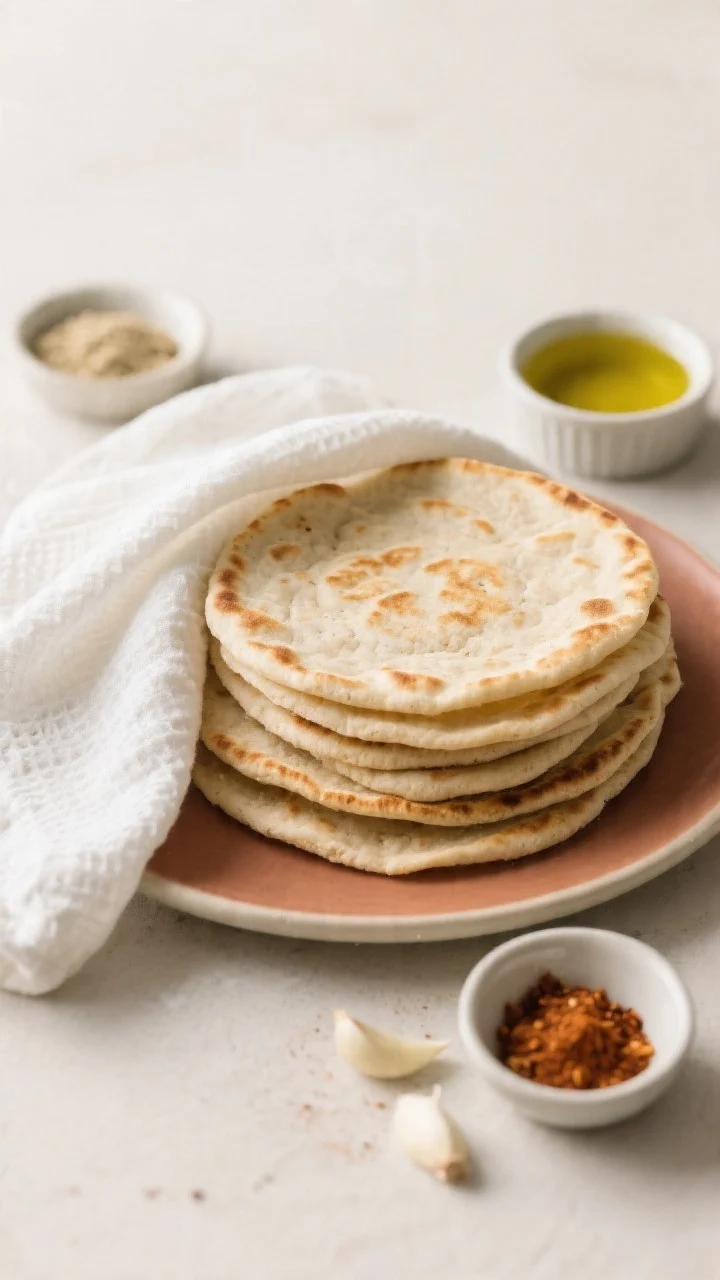
- Keep them soft: Stack cooked flatbreads on a plate and cover with a clean towel to trap steam. This keeps them extra pliable.
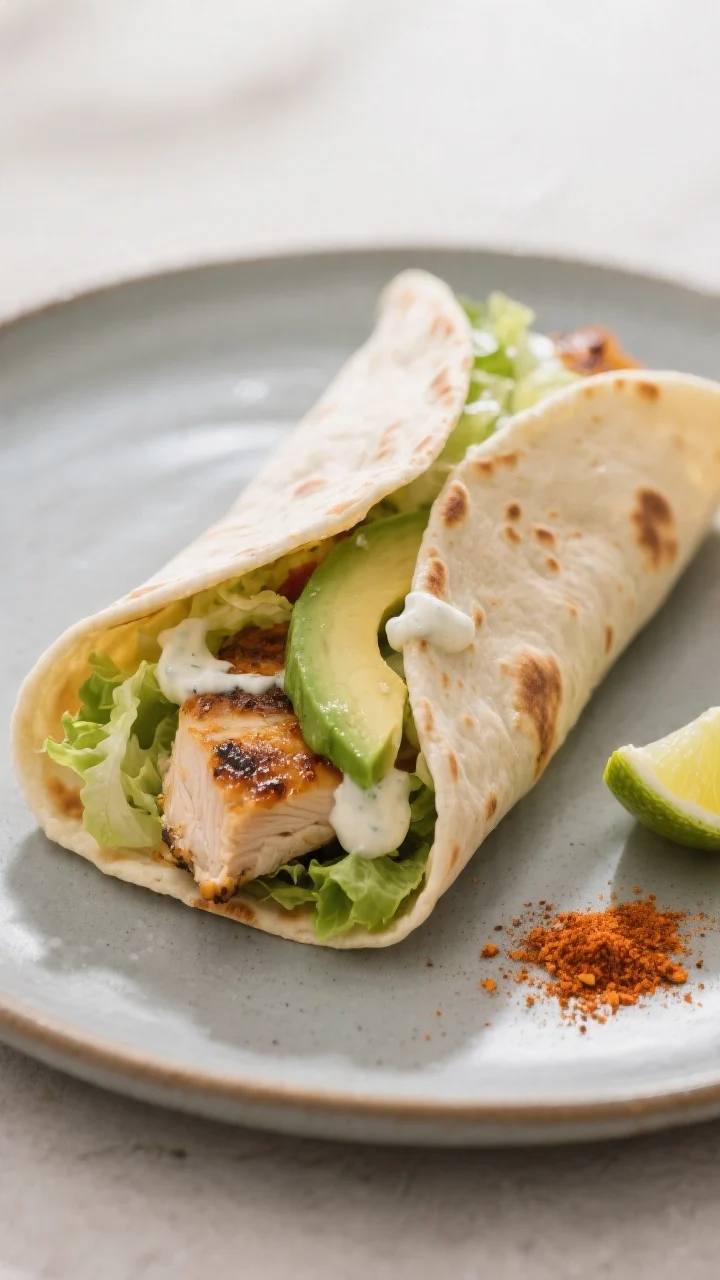
- Serve warm: Use for wraps, tacos, breakfast burritos, or as a side with curry or soup.
What Makes This Recipe So Good
- Truly low-carb: Each flatbread is naturally low in carbs thanks to coconut flour and eggs.
- Soft and pliable: No cracking or crumbling—these fold like regular tortillas or naan.
- Simple ingredients: Pantry staples you probably already have on hand.
- Fast to make: Batter mixes in one bowl and cooks in 2–3 minutes per flatbread.
- Versatile flavor: Keep it neutral or add herbs, garlic, or spices to match your meal.
- Gluten-free and dairy-optional: Naturally gluten-free with easy dairy-free swaps.
Ingredients
- 3 large eggs, room temperature
- 1/3 cup unsweetened coconut flour, sifted
- 1/4 cup unsweetened almond milk (or water), plus more as needed
- 1 tablespoon olive oil or melted ghee (plus extra for the pan)
- 1/2 teaspoon baking powder (aluminum-free)
- 1/4 teaspoon fine sea salt
- 1/4 teaspoon garlic powder (optional)
- 1/4 teaspoon onion powder (optional)
- Pinch of black pepper or paprika (optional)
Step-by-Step Instructions
- Whisk the wet ingredients: In a medium bowl, whisk the eggs until smooth. Add almond milk and olive oil, and whisk again until combined.
- Combine the dry ingredients: In a separate small bowl, stir together coconut flour, baking powder, salt, and any optional seasonings.
Sifting the coconut flour helps avoid lumps.
- Make the batter: Sprinkle the dry mix into the wet mixture while whisking. Let the batter rest for 2–3 minutes to allow the coconut flour to hydrate. It should be pourable, like thick pancake batter.
If it’s too thick, whisk in 1–2 teaspoons more almond milk at a time.
- Preheat the pan: Heat a nonstick skillet or well-seasoned cast-iron pan over medium heat. Lightly brush with olive oil or ghee.
- Cook the first flatbread: Pour about 1/4 cup of batter into the pan. Quickly tilt and swirl the pan to spread it into a thin circle, roughly 6–7 inches wide.
- Flip once bubbles form: Cook for 60–90 seconds, until the edges look set and the surface shows small bubbles.
Carefully flip with a thin spatula and cook another 45–60 seconds. The flatbread should be lightly golden and flexible.
- Adjust heat as needed: If it browns too fast, reduce the heat slightly. If it takes too long to set, increase the heat a touch.
- Repeat: Lightly re-grease the pan and repeat with the remaining batter.
You should get 4–5 flatbreads depending on thickness.
Reader Favorite🍫 The Ultimate No-Bake Dessert Ebook 🍓
30 mouthwatering no-bake recipes you can whip up in minutes — creamy cheesecakes, fruity parfaits, chocolatey bars, and more!
- ⚡Quick & easy — no oven required
- 📖30 recipes + bonus treat
- 🍓Chocolate, fruit, nutty & refreshing flavors
- ✨Beautifully designed, instant download
Instant digital download • Secure checkout on Gumroad - Keep them soft: Stack cooked flatbreads on a plate and cover with a clean towel to trap steam. This keeps them extra pliable.
- Serve warm: Use for wraps, tacos, breakfast burritos, or as a side with curry or soup.
Storage Instructions
- Refrigerator: Cool completely, then stack with parchment between each flatbread. Store in an airtight container for up to 4 days.
- Freezer: Wrap individually in parchment or plastic, then place in a freezer bag.
Freeze for up to 2 months.
- Reheating: Warm in a dry skillet over low heat for 30–60 seconds per side, or microwave for 10–15 seconds. To restore softness, cover with a damp paper towel and microwave briefly.
- Meal prep tip: Make a double batch and freeze for quick lunches or breakfasts.
Health Benefits
- Low in net carbs: Coconut flour is high in fiber, which helps lower net carbs and supports steady energy.
- Gluten-free: Great for those avoiding wheat or gluten while still craving bread-like texture.
- Healthy fats and protein: Eggs and olive oil add satiating fats and protein to keep you full.
- Blood sugar friendly: The fiber and low-carb profile help reduce spikes compared to traditional flatbreads.
- Nutrient-dense: Eggs provide choline, B vitamins, and fat-soluble vitamins; coconut flour contributes manganese and additional fiber.
Common Mistakes to Avoid
- Skipping the batter rest: Coconut flour needs a couple of minutes to hydrate. If you skip this, the batter may spread poorly or cook unevenly.
- Making the batter too thick: It should flow like pancake batter.
Add a splash of almond milk if it looks paste-like.
- Cooking over high heat: Too hot and the outside burns before the inside sets. Medium heat is your friend.
- Flipping too soon: Wait for edges to look set and small bubbles to appear. This helps prevent tearing.
- Using too much oil in the pan: A light brush is enough.
Excess oil can cause uneven browning and ragged edges.
- Overloading with fillings: These are sturdy but still delicate. Keep fillings moderate so they stay foldable.
Variations You Can Try
- Garlic-herb: Add 1 teaspoon dried Italian herbs and 1/2 teaspoon garlic powder for a savory twist.
- Warm spices: Mix in 1/4 teaspoon cumin and 1/4 teaspoon smoked paprika for taco-style wraps.
- Cheesy: Stir 1/4 cup finely shredded mozzarella or parmesan into the batter for extra flavor and tenderness.
- Dairy-free: Use olive oil and unsweetened almond milk or coconut milk. Skip any cheese add-ins.
- Flax boost: Add 1 tablespoon finely ground golden flaxseed for more fiber and a slightly nuttier taste.
Increase liquid by 1–2 teaspoons if needed.
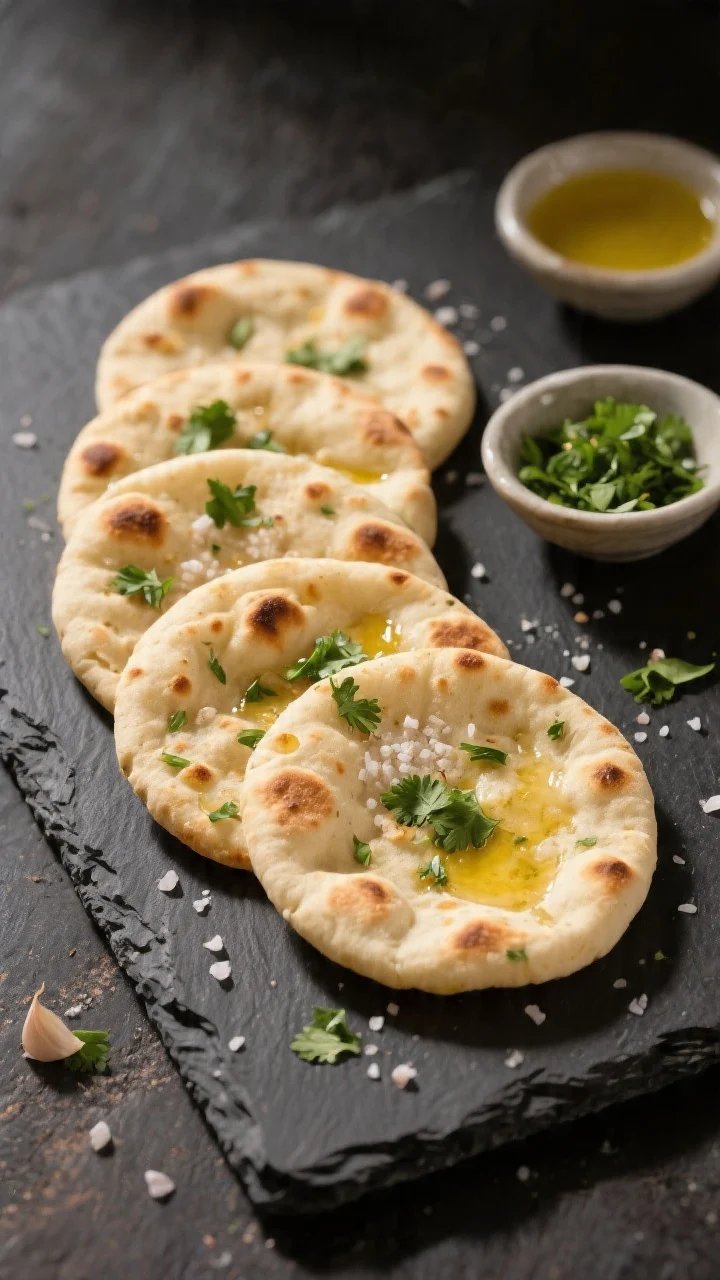
- Mini naan style: Make smaller 4–5 inch rounds and brush with ghee, a pinch of salt, and chopped cilantro.
Can I make these without eggs?
Eggs provide structure and flexibility, so swapping them out changes the texture. If you need an egg-free option, try using 2 tablespoons finely ground flaxseed mixed with 6 tablespoons warm water, rested for 10 minutes, and add 1/4 teaspoon xanthan gum. The result will be a bit less pliable but still workable.
Is coconut flour the same as desiccated coconut?
No.
Coconut flour is finely ground, defatted coconut designed for baking. Desiccated or shredded coconut won’t absorb liquid the same way and will not work in this recipe.
Can I use almond flour instead?
Not as a direct swap. Coconut flour is far more absorbent than almond flour.
If you want an almond flour version, you’ll need a different ratio and likely fewer eggs. Look for a specific almond flour flatbread recipe.
Why is my batter lumpy?
Coconut flour tends to clump. Sift it first and whisk it into the wet ingredients gradually.
If lumps remain, let the batter rest for a minute and whisk again. A few tiny lumps won’t hurt.
How do I keep the flatbread from tearing when flipping?
Wait until the edges set and the surface shows small bubbles. Use a thin, wide spatula and flip swiftly.
Keeping the first side from overbrowning also helps the second side cook evenly.
What size pan works best?
An 8–10 inch nonstick or well-seasoned cast-iron skillet is ideal. Smaller pans produce thicker rounds; larger pans make it easier to spread the batter thin.
Can I bake these instead of using a skillet?
Yes. Spread the batter into thin circles on a parchment-lined baking sheet and bake at 375°F (190°C) for 6–8 minutes, flipping halfway.
The skillet method usually gives a softer, more flexible texture.
Are these suitable for strict keto?
Yes, when made as written with unsweetened almond milk or water and no starchy add-ins. Always check your macros, but these are typically very low in net carbs.
Final Thoughts
This keto coconut flour flatbread is dependable, quick, and flexible in more ways than one. With a soft bite and gentle flavor, it fits right into everyday meals—breakfast wraps, lunch tacos, or a simple side for dinner.
Keep a batch in the fridge or freezer, and you’ll always have a low-carb bread option ready to go. Simple ingredients, minimal effort, and reliable results make this a go-to recipe you’ll come back to again and again. Enjoy it warm, and don’t forget to try a few of the flavor variations to keep things fresh.
Printable Recipe Card
Want just the essential recipe details without scrolling through the article? Get our printable recipe card with just the ingredients and instructions.