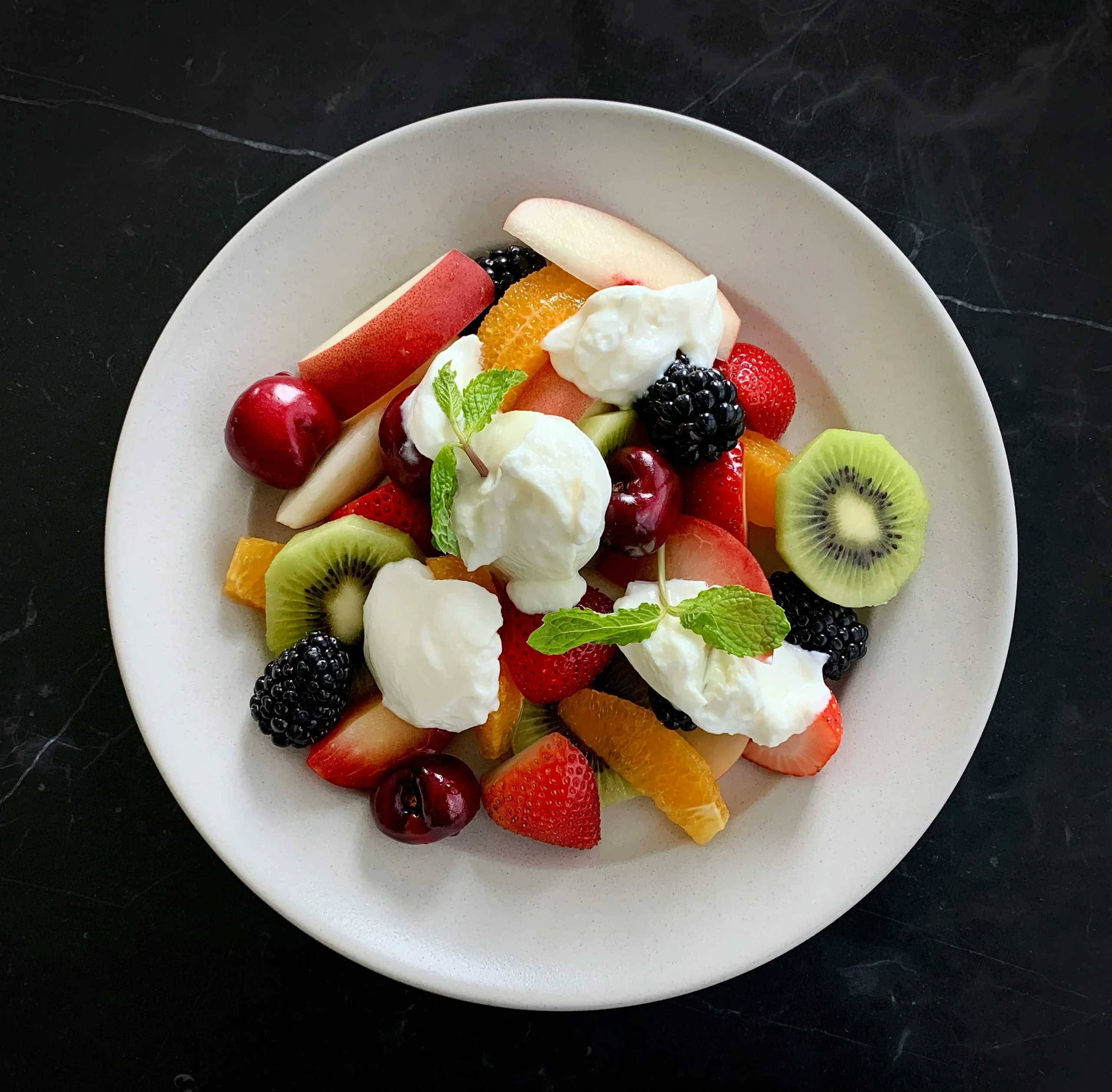
There’s nothing quite like a stunning bowl of colorful fruit salad at a brunch table—but figuring out how much to make is surprisingly tricky. Make too little and you’ll watch the bowl empty before half your guests have served themselves. Make too much and you’re eating mushy fruit all week.
The quick answer: Plan for 1/2 to 1 cup of fruit salad per person depending on your event type. Brunch typically needs 3/4 to 1 cup per person, while a BBQ side dish only needs about 1/2 cup. For a health-conscious crowd or hot summer day, add 20-25% more.
Use our interactive Fruit Salad Calculator below to get your exact amounts based on your guest count, event type, and special circumstances. Then keep reading for our complete guide to fruit yields, timing, and presentation tips that will make your fruit salad the star of the table.
Not all events are created equal when it comes to fruit consumption. Here’s what the pros recommend for different occasions:
BRUNCH AND BREAKFAST EVENTS (3/4 – 1 CUP PER PERSON)
Fruit salad is a brunch superstar. It’s refreshing, pairs well with heavier breakfast items, and guests tend to take generous portions because it feels “healthy.” For a dedicated brunch, plan for the higher end of portions—especially if you’re serving alongside rich dishes like eggs benedict, french toast, or quiche.
BABY AND BRIDAL SHOWERS (3/4 CUP PER PERSON)
Shower guests, especially pregnant women, gravitate toward fresh fruit. If a significant portion of your guests are expecting, add an extra 20% to your total. Pre-portioning into individual cups works beautifully for these events and makes serving effortless.


BBQ AND COOKOUT SIDE DISH (1/2 – 3/4 CUP PER PERSON)
At a BBQ, fruit salad competes with heavier sides like coleslaw, potato salad, and baked beans. Most guests will take a smaller portion, so 1/2 to 3/4 cup is plenty. However, on a hot day, fruit consumption increases dramatically—plan for the higher end when temperatures rise.
DINNER PARTY SIDE DISH (1/2 CUP PER PERSON)
When fruit salad is one of several side dishes at dinner, portions drop to about 1/2 cup per person. Not everyone will take fruit, and those who do typically take modest amounts. This is especially true if you’re also serving dessert.
WEDDING RECEPTIONS (1/2 CUP PER PERSON)
Wedding guests tend to focus on the main meal and dessert, so fruit consumption is lower. If you’re including fruit salad as part of a buffet spread, budget for smaller portions.
Here’s a quick reference for common party sizes:
FOR 20 PEOPLE:
Brunch: 15-20 cups (4-5 quarts)
Side dish: 10-15 cups (2.5-4 quarts)
Whole fruit needed: 6-8 pounds
FOR 50 PEOPLE:
Brunch: 38-50 cups (9-12 quarts)
Side dish: 25-38 cups (6-9 quarts)
Whole fruit needed: 15-20 pounds
FOR 100 PEOPLE:
Brunch: 75-100 cups (19-25 quarts)
Side dish: 50-75 cups (12-19 quarts)
Whole fruit needed: 25-35 pounds
Remember these are baseline estimates. Adjust upward for health-conscious crowds, hot weather, outdoor events, and when fruit is one of few healthy options available.
Here’s where the real math happens. Different fruits have dramatically different yields based on how much is peel, seeds, and core versus usable flesh:
MELONS:
– 3 lb cantaloupe = 4 cups cubed
– 3 lb honeydew = 4 cups cubed
– 18 lb watermelon = 16 cups cubed
– Small personal watermelon (5 lb) = 4-5 cups
BERRIES (best yield!):
– 1 pint strawberries = 2 cups sliced
– 1 pint blueberries = 2 cups
– 1 pint raspberries = 2 cups
– 1 lb strawberries = 3.75 cups sliced

TROPICAL FRUITS:
– 4 lb pineapple = 5 cups cubed
– 1 mango = 1 cup cubed
– 3 kiwis = 1 cup sliced
GRAPES:
– 1 lb grapes = 2 cups
CITRUS:
– 15 oz can mandarin oranges = 1.5 cups drained
– 1 large orange = 1 cup segmented
Use a kitchen scale at the grocery store to estimate yields before purchasing. It’s much easier than guessing!



Not all fruits belong in fruit salad. Here’s your guide to building the perfect combination:
ALWAYS INCLUDE (GREAT KEEPERS):
– Grapes (red and green for color contrast)
– Blueberries (hold up beautifully)
– Cantaloupe or honeydew
– Pineapple (fresh is best)
– Mandarin oranges
– Kiwi (adds beautiful green color)
ADD WITH CAUTION:
– Strawberries (add day-of, can release red juice)
– Raspberries (very delicate, add just before serving)
– Mango (can get mushy if overripe)
– Watermelon (very watery, consider serving separately)
AVOID OR ADD LAST MINUTE:
– Bananas (brown quickly, add right before serving)
– Apples (brown quickly, must coat with lemon juice)
– Pears (brown and bruise easily)
SKIP ENTIRELY:
– Frozen fruit (too mushy when thawed)
– Overripe fruit of any kind
– Canned fruit in heavy syrup (too sweet, wrong texture)
A simple dressing transforms fruit salad from ordinary to extraordinary—and the acid helps prevent browning. Here are the most popular options:
HONEY-LIME DRESSING (MOST POPULAR)
This is the crowd favorite and for good reason. The lime prevents browning, the honey adds subtle sweetness, and together they enhance the natural fruit flavors.
Recipe: 2 tablespoons honey + juice of 1 lime + zest of 1 lime (optional)
Whisk until honey dissolves, pour over fruit, and toss gently.
CITRUS DRESSING (LIGHTER OPTION)
For a less sweet option, use just citrus juice without honey.
Recipe: Juice of 1 lime + juice of 1 orange (or 2 tablespoons orange juice concentrate)
HONEY-ORANGE DRESSING (SWEETER)
Perfect for winter fruit salads when you’re using more citrus.
Recipe: 2 tablespoons honey + juice of 1 orange + pinch of cinnamon
POPPYSEED DRESSING
Adds a creamy element and visual interest.
Recipe: Use your favorite commercial poppyseed dressing, or make homemade with mayo, honey, lemon juice, and poppyseeds.


The biggest mistake people make with fruit salad is prepping too far ahead. Here’s the optimal timeline:
1-2 DAYS BEFORE:
– Shop for fruit (look for ripe but firm)
– Make the dressing and refrigerate
24 HOURS BEFORE:
– Wash and dry all fruit
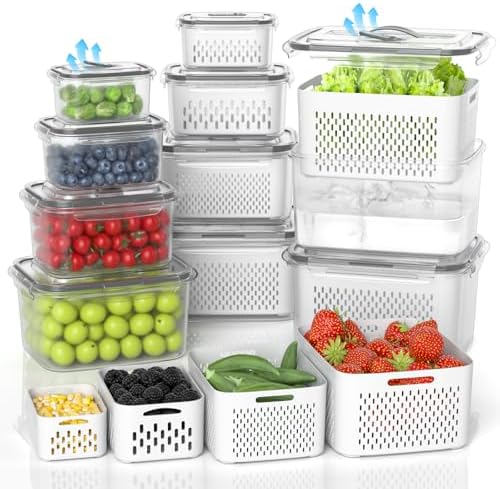
– Cut melons and pineapple, store in airtight containers
– Cut kiwi and store separately
4-6 HOURS BEFORE:
– Slice strawberries
– Halve grapes if desired
1-2 HOURS BEFORE:
– Combine all prepared fruits in serving bowl
– Add dressing and toss gently
– Add delicate berries (raspberries, blackberries)
– Refrigerate until serving
JUST BEFORE SERVING:
– Slice and add bananas if using
– Add fresh mint garnish
– Give one final gentle toss
Beautiful fruit salad gets eaten more! Here’s how to make yours Instagram-worthy:
CUT SIZE MATTERS
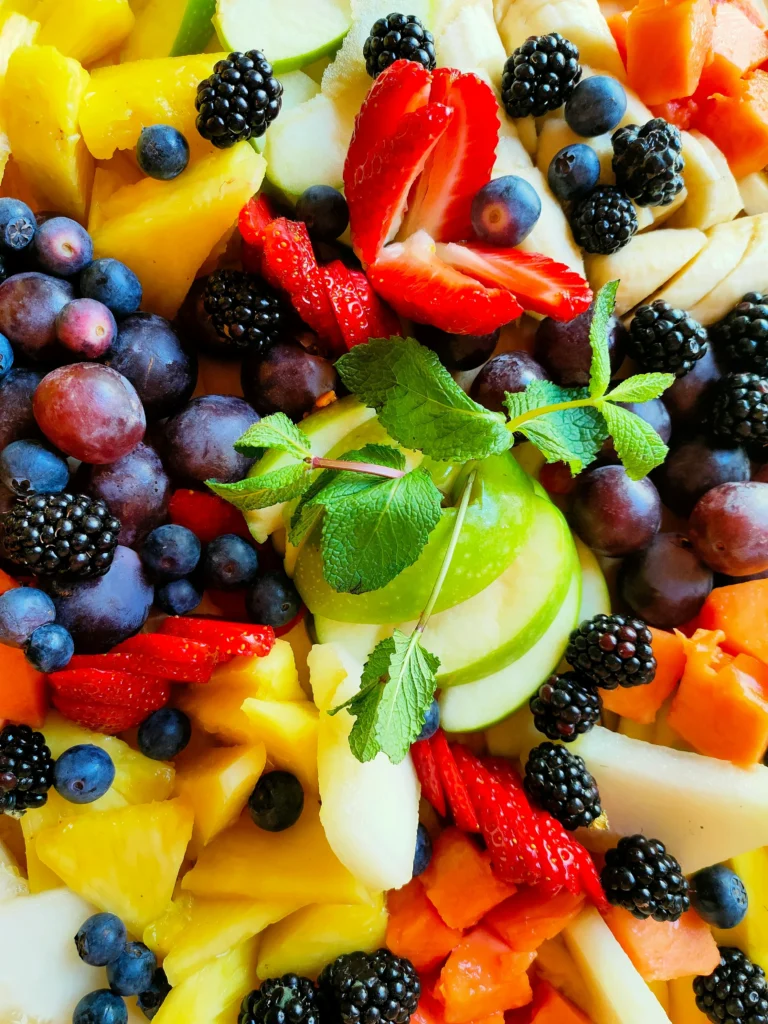
All fruit should be cut into uniform bite-size pieces (about 3/4 to 1 inch). This looks professional, is easier to eat, and ensures every forkful has variety.
COLOR DISTRIBUTION
When tossing, think about color placement. You want red next to green next to orange next to purple. Avoid clumps of same-colored fruit.
SERVING VESSEL
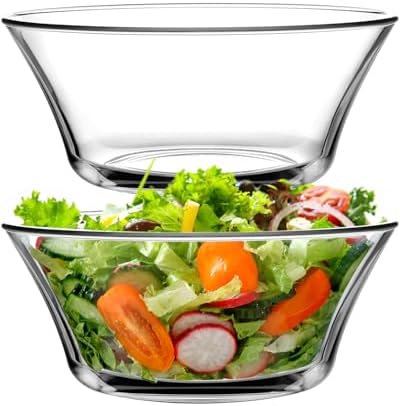
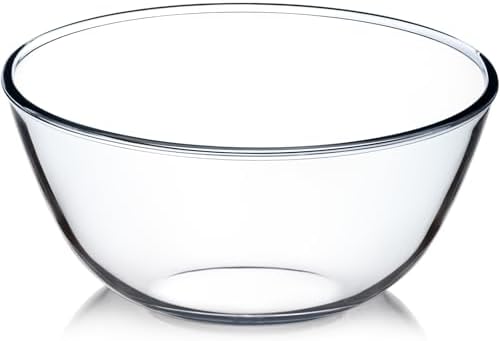
A clear glass bowl shows off the beautiful colors. Choose a bowl with medium depth (3-4 inches) so fruit doesn’t get buried.
GARNISHES
Top with fresh mint leaves, a sprinkle of pomegranate seeds, or lime wedges around the edge. Reserve a few whole strawberries with leaves for the top.

PRE-PORTIONED OPTION
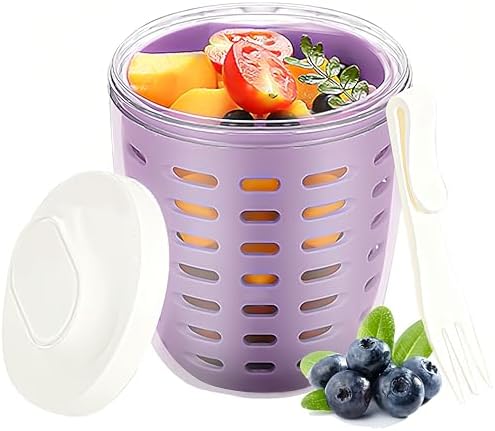
For showers or formal events, pre-portion fruit salad into small clear cups. This looks elegant, controls portions, and makes serving effortless.
Cut fruit is perishable and needs careful handling, especially at outdoor summer events:
TEMPERATURE RULES:
– Keep fruit salad below 40°F until serving
– Don’t leave at room temperature for more than 2 hours
– At temperatures above 90°F, limit to 1 hour
SERVING STRATEGIES:
– Serve on a bed of ice in a larger bowl
– Put out small batches and replenish frequently
– Keep backup fruit salad in a cooler with ice
– Use a chilled serving bowl (put in freezer beforehand)
STORAGE TIPS:
– Transport in a cooler with ice packs
– Store in airtight containers
– Keep dressing separate until ready to serve if traveling far
Frequently Asked Questions
Planning the perfect amount of fruit salad doesn’t have to be stressful. Use our calculator above to get your exact quantities, then follow our timing guide to ensure your fruit is fresh and vibrant when guests arrive.
Remember the golden rules: Prep melons ahead, add berries last, always use a dressing (even just lime juice), and don’t be afraid to make a little extra. Fresh fruit salad is always popular, and leftovers make a delicious healthy snack for days afterward.