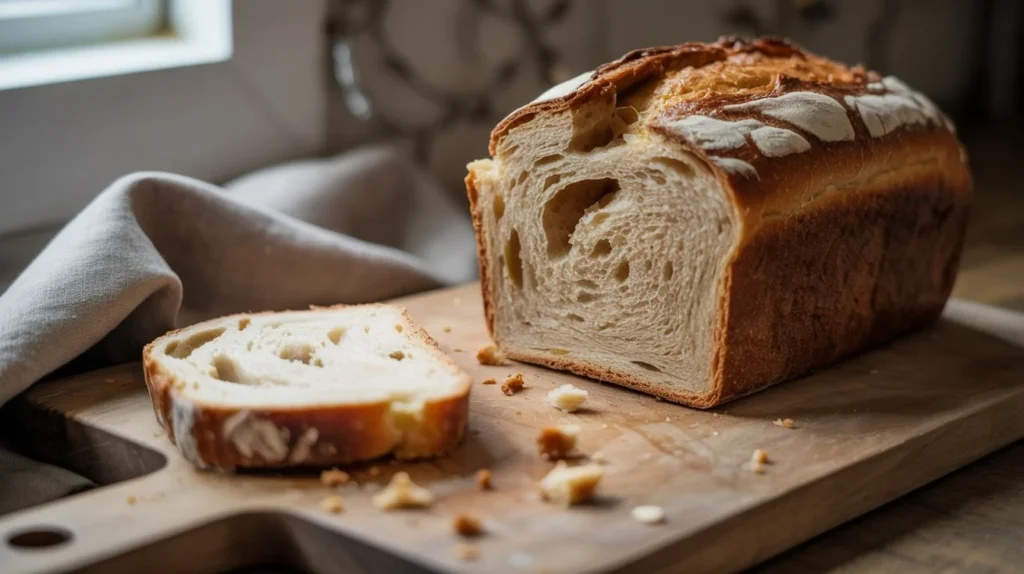
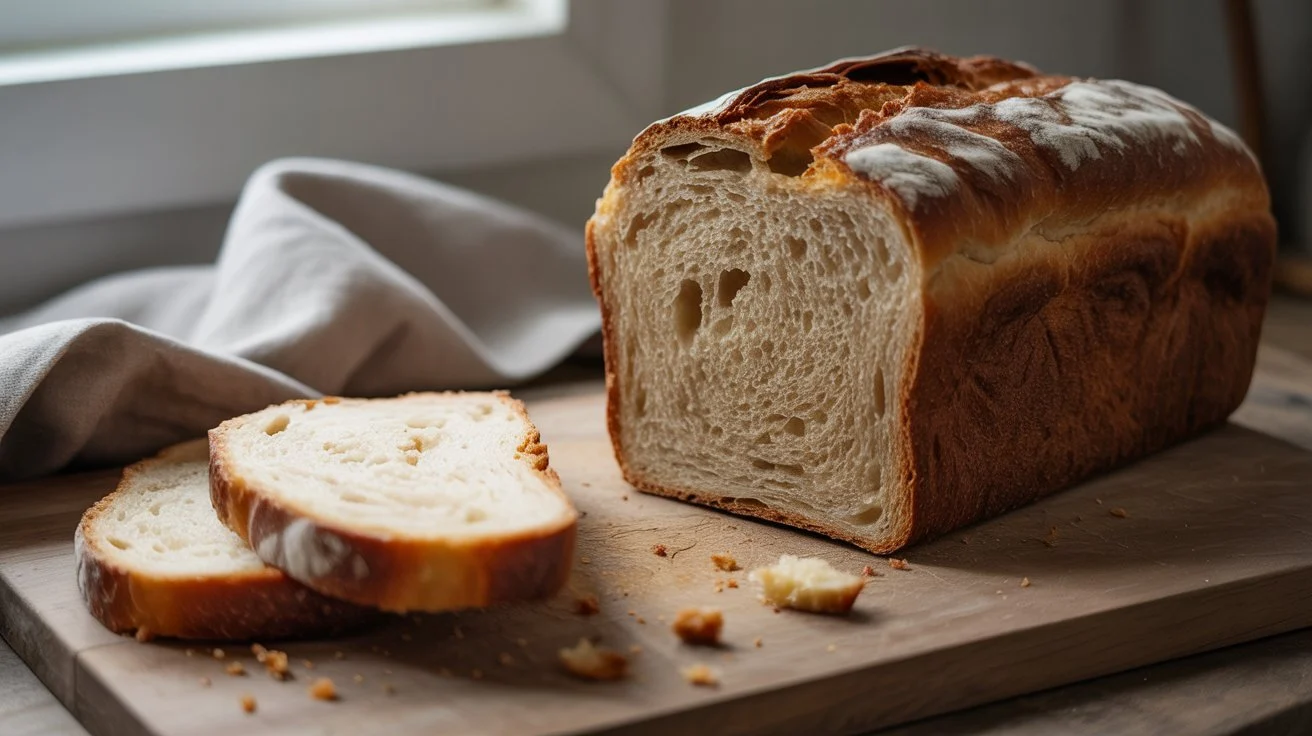
How Much Bread Per Person Calculator
Perfect Portions for Every Meal | Expert Guide 2025
🍞 Reading Time: 10 minutes
🥖 Table of Contents
- Bread Per Person Calculator
- Why Perfect Bread Portions Matter
- Professional Serving Guidelines
- Bread Types & Portion Differences
- 2025 Bread & Health Trends
- Event-Specific Planning Guide
- Health & Nutrition Considerations
- Troubleshooting Common Issues
- Advanced Planning & Storage Tips
- Your Bread Planning Success Strategy
🍞 Bread Per Person Calculator
🎯 Why Perfect Bread Portions Matter
Getting bread portions right is the foundation of successful meal planning. Whether you’re hosting an intimate dinner party or catering a large event, the right amount of bread ensures guest satisfaction while minimizing waste and managing costs effectively.
🌟 The Impact of Proper Bread Planning
Guest satisfaction: Bread is often the first thing guests reach for, setting the tone for the entire meal experience.
Cost management: Bread typically represents 8-12% of total food costs but can account for 25% of food waste when poorly planned.
Dietary accommodation: With proper planning, you can offer gluten-free and specialty bread options without massive overordering.
Cultural significance: In many cultures, running out of bread is considered a hospitality failure, making accurate planning crucial.
The Psychology of Bread Service
Research in hospitality psychology shows that bread service significantly impacts perceived meal quality and value. Guests who receive adequate bread portions rate their overall dining experience 23% higher than those who feel bread was insufficient, regardless of the quality of other dishes served.
📏 Professional Serving Guidelines
Professional catering standards have evolved based on decades of experience and research. According to industry catering experts, bread serving sizes depend heavily on event type, formality, and accompanying dishes.
Standard Serving Recommendations
| Meal Context | Bread Type | Serving Size | Notes |
|---|---|---|---|
| Formal Dinner | Dinner Rolls | 1 roll per person | Conservative, elegant portion |
| Casual Dinner | Dinner Rolls | 1-2 rolls per person | Account for heartier appetites |
| Family Meal | Sliced Bread | 1-2 slices per person | Standard with meal |
| Buffet Service | Mixed Breads | 2-3 pieces per person | Self-service increases consumption |
| Breakfast | Toast/Bagels | 1-2 pieces per person | May want variety options |
| Sandwich Meal | Sandwich Bread | 2 slices per person | Plus extra for sides |
Professional Adjustment Factors
Experienced caterers adjust base serving sizes based on these key factors:
- Event duration: Longer events (3+ hours) require 20-25% more bread
- Demographics: Teenagers and young adults consume 30-50% more than seniors
- Cultural background: Some cultures have higher bread consumption expectations
- Season and weather: Cold weather increases bread consumption by 10-15%
- Alcohol service: Alcohol service increases bread consumption by 15-20%
🚀 2025 Industry Trend: Smart Portion Predictions
Leading catering companies are now using AI-driven analytics to predict optimal bread quantities based on guest demographics, event history, and seasonal patterns, reducing waste by up to 30%.
🥖 Bread Types & Portion Differences
Different bread types have varying portion expectations and consumption patterns. Understanding these differences ensures you order the right amount for your specific bread choice.
Bread Size and Density Considerations
Professional bakers and caterers consider these factors when calculating portions:
- Dense breads (sourdough, pumpernickel): More filling, reduce portions by 15-20%
- Light breads (white dinner rolls): Less filling, may need extra portions
- Enriched breads (brioche, challah): Very filling due to eggs and butter
- Whole grain breads: Higher fiber content increases satiety
- Specialty breads (gluten-free, keto): Often denser, adjust portions accordingly
🌾 2025 Bread & Health Trends
The bread industry is experiencing a revolution driven by health consciousness, sustainability, and artisanal quality. 2025 food trends show that bread is moving beyond basic sustenance to become a vehicle for nutrition and wellness.
Sourdough Expansion Beyond Bread
The sourdough trend has exploded beyond traditional bread making:
🦠 The Sourdough Revolution
- Sourdough crackers: Offering better digestibility and probiotic benefits
- Sourdough pasta: Combining traditional fermentation with modern convenience
- Sourdough pizza dough: Easier digestion and enhanced flavor profiles
- Sourdough baking mixes: Making artisanal bread accessible to home bakers
- Nutritional benefits: Lower glycemic index and improved mineral absorption
Health-Conscious Portion Control
Consumer awareness of healthy bread choices is reshaping portion expectations:
Sustainability and Local Sourcing
Environmental consciousness is influencing bread choices and portion planning:
- Local grain movements: 75% of professional chefs prioritize local ingredients
- Reduced food waste: Precision portion planning to minimize bread waste
- Upcycled ingredients: Breads made from repurposed grains and byproducts
- Regenerative agriculture: Bread made from sustainably grown grains
Functional and Fortified Breads
Bread is becoming a delivery system for functional nutrition:
- Protein-enriched breads: Meeting high-protein diet trends
- Omega-3 fortified options: Adding flax, chia, and hemp seeds
- Probiotic breads: Supporting gut health through fermentation
- Ancient grain varieties: Spelt, einkorn, and heritage wheat options
📊 Market Projection: Bread Innovation
The global bread and rolls market is projected to reach $270.33 billion by 2034, with artisanal and functional breads driving 60% of growth. This expansion reflects growing consumer demand for quality over quantity.
🎉 Event-Specific Planning Guide
Different events require tailored bread planning approaches. Understanding these nuances ensures your bread service matches your event’s style and guest expectations.
Wedding Receptions
Wedding bread service sets the tone for elegant dining:
- Cocktail hour: 1 piece per person of artisanal bread with spreads
- Dinner service: 1 roll per person for formal plated dinners
- Family style: 1.5 rolls per person for shared table service
- Late night snacks: Additional casual bread options for dancing energy
Corporate Events
Professional settings require practical portion planning:
- Breakfast meetings: 1-2 pieces per person (bagels, toast, pastries)
- Lunch presentations: 1 roll per person (focus on main content)
- All-day conferences: Multiple bread services throughout the day
- Networking events: Higher quantities for extended mingling
Holiday Gatherings
🦃 Holiday-Specific Guidelines
Thanksgiving: 2-3 rolls per person (traditional abundance expectation)
Christmas dinner: 1-2 rolls per person plus special holiday breads
Easter brunch: Variety of sweet and savory breads, 2-3 pieces per person
Passover: Matzo and specialty unleavened options
Outdoor Events and BBQs
Casual outdoor settings allow for heartier portions:
- BBQ gatherings: 2-3 pieces per person (more casual consumption)
- Picnics: Sturdy breads that travel well, 1-2 per person
- Festival events: Hand-held bread options, 1-2 per person
- Camping/outdoor cooking: Simple, filling bread options
International and Cultural Events
Cultural traditions significantly influence bread expectations:
| Cultural Context | Bread Tradition | Portion Expectations |
|---|---|---|
| Italian Dinner | Fresh bread with olive oil | 2-3 slices per person |
| French Meal | Baguette with meals | 1-2 slices per person |
| German Gathering | Hearty rye and whole grains | 1-2 thick slices per person |
| Middle Eastern | Pita, flatbreads, naan | 1-2 pieces per person |
| Mexican Fiesta | Tortillas, bolillos | 2-3 pieces per person |
🏥 Health & Nutrition Considerations
Modern bread planning must balance traditional hospitality with contemporary health awareness. Understanding nutritional implications helps create inclusive, health-conscious bread service.
Dietary Guidelines and Bread Consumption
According to the latest dietary guidelines, people on a 2,000-calorie eating plan need about 6 servings daily from the grain group, with at least half being whole grains.
Nutritional Profile Comparison
| Bread Type | Calories per Slice | Fiber Content | Health Benefits |
|---|---|---|---|
| White Bread | 75-80 calories | 0.5-1g fiber | Quick energy, fortified nutrients |
| Whole Wheat | 80-90 calories | 2-3g fiber | Higher fiber, B vitamins, minerals |
| Sourdough | 70-80 calories | 1-2g fiber | Lower glycemic index, probiotics |
| Sprouted Grain | 80-85 calories | 3-4g fiber | Complete proteins, enhanced nutrition |
| Gluten-Free | 90-100 calories | 1-2g fiber | Celiac-safe, often fortified |
Accommodating Dietary Restrictions
Modern events require inclusive bread planning:
Smart Substitution Strategies
- Gluten-free options: Offer 1 GF choice for every 4-5 guests
- Whole grain emphasis: Make 70% of bread options whole grain
- Portion-controlled options: Smaller artisanal pieces for calorie-conscious guests
- Protein-enriched breads: Support high-protein diet trends
- Ancient grain varieties: Quinoa, amaranth, and spelt options
🔧 Troubleshooting Common Issues
Even experienced planners face bread-related challenges. Here are professional solutions to the most common bread service problems:
Problem: Ran Out of Bread Early
🚨 Emergency Solutions
- Quick store run: Send someone for dinner rolls or sliced bread from nearby grocery stores
- Restaurant partnerships: Many local restaurants will sell bread in emergencies
- Bakery emergency orders: Call local bakeries for same-day availability
- Creative alternatives: Offer crackers, tortillas, or other grain-based options
- Extended other starches: Increase rice, potato, or pasta portions
Problem: Too Much Leftover Bread
Smart strategies for excess bread:
- Take-home packages: Encourage guests to take extras for tomorrow’s meals
- Staff appreciation: Distribute to event staff and vendors
- Bread pudding project: Transform day-old bread into dessert
- Charitable donation: Many shelters and food banks accept day-old bread
- Freezing strategy: Freeze suitable bread types for future use
Problem: Bread Quality Issues
Dealing with stale or poor-quality bread:
- Quick refreshing: Lightly mist and warm in oven for 5-10 minutes
- Toasting solution: Convert stale bread to toast or crostini
- Bread salad option: Use day-old bread for panzanella or fattoush
- Vendor communication: Establish quality standards with suppliers
Problem: Dietary Restriction Oversight
| Issue | Quick Solution | Prevention |
|---|---|---|
| No gluten-free options | Rice cakes, corn tortillas, or GF crackers | Always order 20% GF options |
| All bread contains dairy | Check for vegan options or plain bread | Read ingredient lists carefully |
| Low-carb guests overlooked | Offer lettuce wraps or cloud bread | Include keto-friendly alternatives |
| Religious dietary restrictions | Research kosher/halal certified options | Ask about restrictions during planning |
Problem: Temperature and Storage Issues
- Soggy bread: Keep in dry, ventilated area; use absorbent cloth in baskets
- Dried out bread: Cover with damp cloth and store in cool area
- Temperature maintenance: Use warming trays for rolls, room temperature for most bread
- Humidity control: Monitor humidity levels, especially for outdoor events
🎯 Advanced Planning & Storage Tips
Professional event planners use sophisticated strategies to ensure perfect bread service while managing costs and maintaining quality throughout events.
Strategic Purchasing Guidelines
Smart buying strategies reduce costs while ensuring quality:
- Wholesale relationships: Develop relationships with local bakeries for bulk pricing
- Day-before ordering: Many bakeries offer 20-30% discounts for next-day pickup
- Seasonal timing: Avoid holiday surcharges by planning around peak periods
- Volume commitments: Negotiate better rates for consistent monthly orders
Professional Storage and Handling
🏪 Expert Storage Techniques
Short-term storage (1-2 days): Room temperature in breathable containers
Medium-term storage (3-5 days): Refrigerate and refresh before serving
Long-term storage (weeks): Freeze immediately after purchase, thaw day of event
Transport considerations: Use insulated containers for temperature stability
Quality Control Checklist
| Timeline | Tasks | Quality Checkpoints |
|---|---|---|
| 1 week before | Finalize orders, confirm delivery | Verify dietary options available |
| 1 day before | Pick up or receive delivery | Check freshness, count quantities |
| Day of event | Set up service areas | Warm rolls, arrange displays |
| During event | Monitor and replenish | Maintain temperature, quality |
Cost Management Strategies
Professional approaches to budget control:
- Bread hierarchy: 60% basic options, 30% mid-tier, 10% premium
- Portion control tools: Use tongs and serving baskets to manage portions
- Staff training: Educate servers on appropriate portion guidance
- Waste tracking: Monitor leftover patterns to refine future orders
Presentation and Service Excellence
- Visual appeal: Mix bread colors, shapes, and textures for attractive displays
- Temperature service: Serve warm rolls, room temperature artisan breads
- Accompaniment planning: Provide quality butter, olive oil, or specialty spreads
- Continuous service: Replenish displays regularly for fresh appearance
💡 Innovation Alert: Smart Bread Management
Leading caterers now use IoT sensors to monitor bread freshness and inventory levels in real-time, automatically alerting staff when replenishment is needed or when quality standards drop.
🏆 Your Bread Planning Success Strategy
Mastering bread portions is an art that combines mathematical precision with cultural understanding and guest psychology. With proper planning, bread becomes the foundation that elevates every meal from good to unforgettable.
🎯 Essential Success Principles
- Golden rule: 1-2 pieces per person for most situations
- Safety buffer: Always order 15% extra for unexpected situations
- Quality over quantity: Better to offer fewer high-quality options than many mediocre ones
- Cultural sensitivity: Understand your guests’ bread expectations and traditions
- Health inclusion: Ensure 20-25% of options accommodate dietary restrictions
The Future of Bread Planning
As we progress through 2025, bread planning will continue evolving with sustainability concerns, health consciousness, and technological integration. The events that succeed will balance traditional hospitality with modern dietary awareness and environmental responsibility.
Your Implementation Roadmap
- Use our calculator to establish baseline requirements for your event
- Consider your audience – demographics, cultural background, dietary needs
- Plan for variety while maintaining cost control
- Establish supplier relationships for consistent quality and pricing
- Document what works for future event reference
🔮 Looking Ahead: Future Trends
Expect to see continued growth in functional breads, AI-driven portion optimization, and zero-waste bread programs. Start building relationships with innovative suppliers now to stay ahead of these trends.
Professional Development Tips
- Track consumption patterns: Keep detailed records for different event types
- Build supplier networks: Develop relationships with multiple quality bread sources
- Stay trend-aware: Follow industry publications and trade shows
- Guest feedback systems: Regularly collect feedback to refine your approach
- Sustainability focus: Implement waste reduction and local sourcing strategies
Ready to plan your perfect bread service? Use our calculator above to get started, and remember—great bread service creates the foundation for memorable meals. Your attention to detail in bread planning reflects your commitment to hospitality excellence. Here’s to your continued success in creating exceptional dining experiences! 🍞