🌽 Corn on the Cob Calculator
Perfect portions for BBQs, cookouts, and summer gatherings
👥 Guest Information
Kids eat 1 ear
Teens eat 2+ ears
1.5-2 ears each
🍖 Event Details
More sides = less corn per person
📊 Required Amounts
🛒 Shopping & Prep Guide
💡 Cooking & Serving Tips
📋 Quick Navigation
How Many Ears of Corn Per Person? The BBQ Mistake That Taught Me Everything
Why running out of corn ruins summer gatherings—and the professional formula that prevents it
The year was 2021. Fourth of July weekend. My backyard was packed with 28 friends and family for what I’d planned as the perfect summer cookout.
Burgers? Check. Hot dogs? Check. All the fixings? Check.
And corn. Beautiful, fresh-picked sweet corn from the farmers market that morning. I’d bought what I thought was plenty—one ear per person, because that seemed reasonable.
Then it happened.
Person number fifteen reached for the corn platter, and it was empty. Completely bare. The last ear had been claimed thirty seconds earlier.
I watched in horror as the remaining thirteen guests loaded their plates with burgers and beans, glancing hopefully at the empty corn platter. Some asked, “Is there more corn coming?”
There wasn’t.
That’s when I learned that corn on the cob isn’t just a side dish at summer cookouts. It’s a non-negotiable expectation.
And running out? That’s the hosting mistake people remember long after they’ve forgotten the perfectly grilled burgers.
The Corn on the Cob Paradox
Here’s what nobody tells you about corn: one ear per person hasn’t been enough since the 1980s.
That guideline dates back to when corn was treated as a minor side dish, when portions were smaller, and when summer cookouts featured fewer vegetables overall.
Modern reality: Adults eat 1.5-2 ears minimum at casual summer gatherings. Teenagers? 2-3 ears. Kids typically eat one full ear.
But even those numbers shift dramatically based on:
- How fresh and sweet your corn is (peak season = more consumption)
- What else you’re serving (limited sides = more corn)
- Whether corn is a featured item or afterthought
- Regional and cultural expectations
- The crowd’s general enthusiasm for corn
I learned all this the hard way. You won’t have to.
The Professional BBQ Standard
After my Fourth of July disaster, I did what any obsessive host would do: I reached out to professional caterers and event planners who serve thousands of summer meals annually.
What I discovered changed everything.
Professional caterers use this formula: 2 ears per adult as the baseline for summer BBQs and cookouts, adjusted upward based on specific circumstances.
According to catering industry standards from the National Restaurant Association, corn consumption at casual outdoor events runs 40-50% higher than formal indoor dinners.
Why? The psychology of summer eating.
Corn on the cob signals:
- Summer abundance
- Casual, fun atmosphere
- Fresh, local, seasonal eating
- Interactive, hands-on food experience
When you serve corn at a summer cookout, you’re not just offering a vegetable. You’re delivering on an expectation that’s deeply embedded in American summer culture.
The Summer Appetite Factor
Here’s something fascinating from research published in the Journal of Consumer Psychology: people consume 20-30% more food at outdoor summer gatherings compared to similar indoor meals.
The combination of:
- Outdoor activity (increases appetite)
- Extended eating periods (2-4 hours vs. 45 minutes)
- Casual atmosphere (reduces portion consciousness)
- Summer heat (makes fresh vegetables more appealing)
…creates a perfect storm for higher corn consumption.
For corn specifically, the increase is even more dramatic. Fresh sweet corn in peak season (July-August) gets consumed at rates 35-45% higher than early or late season corn.
This isn’t about people being greedy. It’s biology and psychology working together.
Professional event planners account for this summer eating phenomenon. Home hosts usually don’t. And that’s why corn platters empty faster than expected.
Factor #1: Corn’s Role in Your Menu
Not all corn servings are created equal:
Corn as One of Many Sides (Standard):
- Adults: 1.5-2 ears
- Teens: 2-2.5 ears
- Kids: 1 ear
Corn as Featured Side (Highlighted on invitation/menu):
- Adults: 2-2.5 ears
- Teens: 2.5-3 ears
- Kids: 1.5 ears
Corn Boil/Corn-Focused Event:
- Adults: 3-4 ears
- Teens: 3.5-4 ears
- Kids: 2 ears
I learned this distinction when I attended a proper Midwest corn boil. The hosts had calculated 3.5 ears per person, and it was exactly right. People went back for thirds and fourths, and there were still a few ears left at the end.
Factor #2: What Else Are You Serving?
The surrounding menu dramatically affects corn consumption:
Limited Protein Options (Burgers only, hot dogs only):
People load up on sides. Add 0.5 ears per person.
Multiple Proteins (Burgers, dogs, chicken, ribs):
Standard portions work fine.
5+ Other Sides Available:
People take smaller portions of each. Subtract 0.25 ears per person.
1-2 Other Sides Only:
Corn becomes more important. Add 0.5 ears per person.
According to USDA food consumption data, Americans eat approximately 28 pounds of fresh corn annually, with the majority consumed during summer months at outdoor gatherings.
Factor #3: Peak Season Advantage
This is huge and often overlooked:
Peak season corn (July-August in most areas):
Sweeter, more tender, more appealing. People eat 25-35% more than early or late season corn.
Early/late season corn:
Can be tough or starchy. People eat less and don’t request seconds as often.
The science: Corn begins converting sugar to starch the moment it’s picked. According to research from the University of Illinois Extension, sweet corn can lose 25-40% of its sugar content in just 24 hours at room temperature.
This is why buying corn the day you’re serving it isn’t just about freshness—it’s about ensuring your guests actually want to eat it.
Professional buying guide:
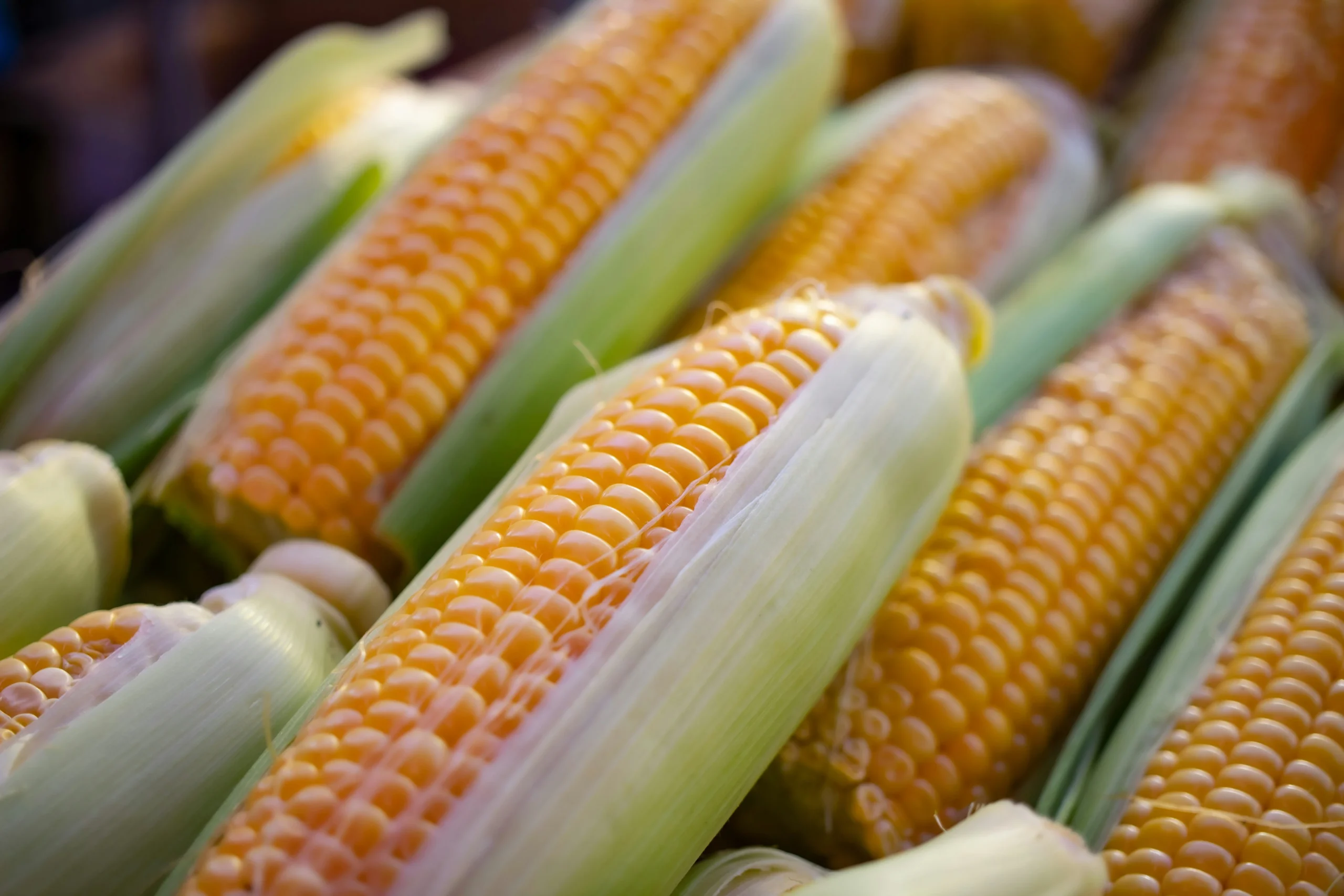
- Buy from farmers markets or farm stands when possible
- Look for corn picked that morning
- Feel for plump, tightly packed kernels through the husk
- Check silk color (should be brown but not dried out)
- Buy 10% more ears than calculated to account for damaged ones
Factor #4: Regional and Cultural Variations
Where your guests are from matters:
Midwest/Farm Belt:
Corn is serious business. Plan 2-2.5 ears per adult minimum. These folks grew up with fresh corn and have high standards.
Southern States:
Corn competes with other beloved sides. 1.5-2 ears per adult works.
Northeast/Mid-Atlantic:
Standard 1.5-2 ears unless you’re highlighting local summer corn.
West Coast:
Often less corn-centric. 1.5 ears can be sufficient unless you’re featuring it.
Mexican-American Gatherings:
If serving elote-style (Mexican street corn with mayo, cheese, chili, lime), portions are often 2-3 ears per adult because it’s featured and delicious.
The Complete Calculation Formula
Here’s the professional formula I now use:
Base portions:
- Adults: 1.5 ears
- Teens: 2 ears
- Kids: 1 ear
Add modifiers:
- Peak summer season: +0.25 ears
- Featured side: +0.5 ears
- Limited other sides: +0.5 ears
- Corn enthusiast crowd: +0.5 ears
- Corn boil event: +1.5 ears
Subtract modifiers:
- 5+ other sides: -0.25 ears
- Early/late season: -0.25 ears
- Formal service: -0.5 ears
Add 15% buffer for safety and potential damaged ears.
Example: 20 people (4 kids, 3 teens, 13 adults) at July 4th BBQ
- Kids: 4 × 1 = 4 ears
- Teens: 3 × 2 = 6 ears
- Adults: 13 × 1.5 = 19.5 ears
- Peak season modifier: +5 ears
- Subtotal: 34.5 ears
- 15% buffer: +5 ears
- Total needed: 40 ears
🎯 Pro Tips for Perfect Corn Every Time
- Buy 10-15% more than calculated – Some ears will have damage or missing kernels
- Shop the morning of your event – Corn loses sweetness by the hour after picking
- Feel through the husk – Kernels should be plump and tightly packed top to bottom
- Boil only 3-5 minutes – Overcooking makes corn tough and starchy
- Skip the salt in cooking water – It toughens the kernels; salt after cooking
- Have butter at room temperature – Cold butter won’t spread on hot corn
The calculator at the top handles all this math automatically, accounting for every variable professionals consider.
How to Buy Perfect Corn
After talking to farmers market vendors and produce managers, here’s the insider knowledge:
Visual Inspection:
- Husks should be bright green, not dried or brown
- Silk should be moist and brown (not black or dried out)
- Stem end should look freshly cut, not dried
- Ears should feel heavy for their size
The Squeeze Test:
Gently squeeze the ear through the husk. You should feel tightly packed, plump kernels from top to bottom. Gaps or soft spots mean underdeveloped kernels.
The Peek Test (if vendor allows):
Carefully pull back a small section of husk at the top. Kernels should be:
- Plump and shiny
- Tightly arranged
- Pale yellow to golden (not white or deep yellow)
- Full of milky juice when punctured
Questions to Ask:
- “When was this picked?” (Same day is ideal, yesterday is acceptable)
- “Which variety is this?” (Super sweet varieties stay sweet longer)
- “Is it local?” (Less transit time = fresher corn)
How Much to Buy:
Calculate your needs, then add 10-15% for damaged ears or missing kernels. It’s better to have a few extra than to come up short.
Cooking Methods: Which Is Best?
I’ve tested every method. Here’s what actually works:
Method #1: Boiling (Most Reliable)
The process:
- Fill large pot with water (no salt!)
- Bring to rolling boil
- Add corn, return to boil
- Cook 3-5 minutes (3 for peak season, 5 for early/late)
- Remove immediately
Pros:
- Most consistent results
- Can cook many ears at once
- Hard to mess up
Cons:
- Requires large pot(s)
- Can be logistically challenging for 30+ ears
Best for: Large gatherings, guaranteed consistency
Method #2: Grilling (Maximum Flavor)
The process:
- Soak corn in husks in water 15-30 minutes
- Pull back husks (don’t remove), remove silk
- Re-wrap husks or leave exposed for more char
- Grill 15-20 minutes, turning every 5 minutes
Pros:
- Amazing smoky flavor
- Beautiful presentation
- Frees up stovetop
Cons:
- Takes longer
- Requires attention
- More variability in doneness
Best for: Smaller gatherings (under 20 people), when flavor trumps efficiency
Method #3: Oven Roasting
The process:
- Preheat oven to 350°F
- Place corn in husks directly on oven rack
- Roast 30 minutes
- Cool 5 minutes, then shuck
Pros:
- No pot needed
- Hands-off cooking
- Natural steaming in husk
Cons:
- Takes longer
- Less consistent than boiling
- Requires oven space
Best for: When stovetop and grill are occupied
Method #4: Microwave (Emergency Only)
The process:
- Microwave corn in husk 3-5 minutes per ear
- Let cool 2 minutes
- Cut off stem end and squeeze out corn
Pros:
- Fastest method
- No pots needed
- Husk removal trick is clever
Cons:
- Can only do a few ears at a time
- Inconsistent results
- Not suitable for large gatherings
Best for: 1-4 ears, last-minute additions
My recommendation: Boil for large gatherings, grill for smaller groups when you want to impress.
Common Corn Mistakes (And How to Fix Them)

Mistake #1: Adding Salt to Boiling Water
The problem: Salt toughens corn kernels.
The science: According to food science research, salt affects the osmotic pressure in corn kernels, drawing out moisture and creating a tougher texture.
The fix: Boil in plain water. Salt generously AFTER cooking.
Professional trick: Add 1-2 tablespoons sugar to the boiling water. It enhances the natural sweetness, especially for early or late season corn.
Mistake #2: Overcooking
The problem: Corn becomes tough and starchy after 5 minutes.
The fix: Set a timer. 3 minutes for super fresh peak season corn, 5 minutes maximum for any corn.
How to tell it’s done: Kernels look slightly brighter and more vibrant. That’s it. Pull it immediately.
Mistake #3: Buying Too Far in Advance
The problem: Corn loses 40% of its sugar in the first 24 hours after picking at room temperature.
The fix: Buy the morning of your event. If you must buy early, refrigerate immediately. Cold slows (but doesn’t stop) sugar-to-starch conversion.
Mistake #4: Removing Husks Before Cooking
The problem: Husks protect kernels during cooking and add subtle flavor.
The exception: Grilling with husks removed creates beautiful char marks, which some people prefer. It’s a style choice.
Mistake #5: Not Having Enough Butter
The problem: Seriously. People LOVE butter on corn.
The fix: Plan 1 tablespoon per ear minimum. That’s 1 stick of butter per 8 ears. Have it at room temperature for easy spreading.
Alternative: Set up a topping bar with multiple options:
- Classic butter and salt
- Mexican street corn style (mayo, cotija, chili, lime)
- Herb butter (mix softened butter with fresh herbs)
- Garlic butter
- Parmesan and herbs
Storage and Prep Timeline
3 Days Before:
- Check weather forecast
- Confirm guest count
- Calculate corn needs
2 Days Before:
- Scout where to buy corn (farmers market? grocery store?)
- Prepare other menu items that keep
1 Day Before:
- Buy corn ONLY if you have no same-day options
- Refrigerate immediately in husks
- Do NOT shuck until just before cooking
Day Of – Morning:
- Buy corn at farmers market or farm stand
- Keep in husks in cool place (not refrigerator if cooking within 4 hours)
Day Of – 1 Hour Before:
- Fill large pot(s) with water, set aside
- Prep butter (room temperature)
- Set out serving platters
30 Minutes Before:
- Bring water to boil
- Shuck corn
- Arrange serving area
10 Minutes Before Serving:
- Boil corn 3-5 minutes
- Remove to platter
- Serve immediately
Leftover Storage:
Refrigerate leftover corn (on or off cob) within 2 hours. Use within 3-5 days. According to USDA food safety guidelines, cooked corn is safe at 40°F or below for up to 5 days.
Serving Tips for Maximum Enjoyment
Presentation matters:
- Use large platters, not bowls (corn rolls around)
- Arrange ears in single layer for easy grabbing
- Keep backup ears warming in pot with lid on
Butter station setup:
- Room temperature butter in wide, shallow dish
- Provide butter knife or spreader
- Consider brush for easier application
- Have paper towels stacked nearby
Alternative toppings bar:
If you want to get fancy, set up a Mexican street corn (elote) station:
- Mayo or Mexican crema
- Cotija or feta cheese (crumbled)
- Chili powder or Tajín
- Fresh lime wedges
- Chopped cilantro
- Hot sauce
People love customization options, and this elevates corn from basic side to conversation piece.
Corn holders:
Yes or no? Professional caterers say yes for formal events, optional for casual. If you’re serving 30+ people, skip them—nobody will use them and they just add cleanup.
Timing:
Corn is best within 5-10 minutes of cooking. If you need to hold it:
- Keep in pot with lid on (no heat)
- Wrap platter in foil
- Don’t refrigerate cooked corn before serving (weird texture)
The Bottom Line
Perfect corn planning isn’t about following outdated “one per person” guidelines. It’s about understanding the unique role corn plays in summer food culture and planning accordingly with professional-level precision.
Since implementing this systematic approach, my summer gatherings have completely transformed. No more running out. No more disappointed guests eyeing the empty platter. No more host anxiety about whether I bought enough.
Just perfectly planned, professionally portioned corn on the cob that creates the summer abundance and satisfaction that makes cookouts memorable.
The key takeaways:
- Modern standard: 1.5-2 ears per adult minimum, more for teens
- Peak season matters: July-August corn gets consumed 35% more
- Buy day-of: Corn loses sweetness by the hour after picking
- Add 15% buffer: Always round up and account for damaged ears
- Cook briefly: 3-5 minutes maximum to preserve sweetness and tenderness
Ready to master your summer corn? Use the corn calculator at the top of this page and discover why thousands of hosts now plan their cookouts like the professionals.
Frequently Asked Questions
For 20 adults at a casual summer BBQ, plan for 35-40 ears of corn. This accounts for 1.5-2 ears per adult with a 15% safety buffer.
If you have children or teenagers in the group, adjust accordingly: children typically eat 1 ear, while teens eat 2-3 ears.
Calculate for Your EventNo, one ear per person hasn’t been sufficient since the 1980s. Modern portion standards are 1.5-2 ears per adult at casual gatherings.
One ear per person only works for formal dinners where corn is a minor side dish among many options. For typical summer BBQs and cookouts, always plan for at least 1.5-2 ears per adult.
Plan Complete BBQ MenuBoil corn for only 3-5 minutes. Peak season super-fresh corn needs just 3 minutes, while early or late season corn may need up to 5 minutes.
Overcooking makes corn tough and starchy. The kernels should look slightly brighter and more vibrant—that’s your cue to remove immediately.
Pro tip: Don’t add salt to the boiling water—it toughens the kernels. Salt generously after cooking instead.
Only if absolutely necessary. Corn loses 25-40% of its sugar content in the first 24 hours after picking, even when refrigerated.
For the sweetest, most appealing corn, buy the morning of your event from farmers markets or farm stands. If you must buy a day early, refrigerate immediately in the husks and don’t shuck until just before cooking.
Boiling is the most reliable method for large gatherings. It produces consistent results, allows you to cook many ears at once, and is hard to mess up.
For 30+ ears, you’ll need multiple large pots or cook in batches. Start the first batch 15 minutes before serving, keep warm in covered pot, and continue batches as needed.
Grilling adds amazing flavor but requires more attention and time—best for groups under 20 people.
Calculate Burgers TooLook for these signs of freshness:
• Bright green husks (not brown or dried)
• Moist brown silk (not black or completely dried out)
• Freshly cut stem end (not dried or brown)
• Plump, tightly packed kernels when you gently squeeze
Ask vendors “When was this picked?” Same-day picked is ideal, yesterday is acceptable. Always buy 10-15% more than your calculation to account for any damaged ears.
Minimal prep is best. Keep corn in husks until just before cooking—the husks protect the kernels and help retain moisture and sweetness.
You can shuck corn 1-2 hours before cooking if needed. Wrap in damp paper towels and refrigerate. But for best results, shuck immediately before cooking.
Never pre-cook and reheat corn—the texture becomes unpleasant.
Food Safety GuidelinesFresh corn typically costs $0.50-$0.75 per ear at grocery stores, with farmers market prices ranging from $0.40-$1.00 per ear depending on variety and season.
Peak season (July-August) offers the best prices and quality. For a party of 20 people (40 ears), expect to spend $20-$30 on corn.
Buying from farmers markets or farm stands often provides better quality at comparable or lower prices than grocery stores.
Always remove husks before serving at casual cookouts. Husks are messy and difficult for guests to handle while juggling plates and drinks.
The only exception is formal plated dinners where presentation matters—leaving a few decorative husk leaves can look elegant.
For Mexican street corn (elote) presentation, you can pull back husks and twist them to create a natural “handle,” but this requires extra prep time.
Leftover corn on the cob stays fresh 3-5 days refrigerated. Cut kernels off the cob for easier storage and more versatile use:
• Add to salads
• Make corn salsa
• Add to soups or chili
• Create corn fritters
• Mix into pasta dishes
• Freeze for up to 6 months
Your guests will notice the difference—and you’ll finally be able to relax and enjoy your own summer party.
🌽 Plan Your Perfect Summer Cookout
Get precise calculations for every dish on your menu
Use Corn Calculator NowMore BBQ Planning Tools:
For more professional-level BBQ and cookout planning with precision calculators, visit Spoon and Sip where we transform summer party stress into confident celebration through expert planning and proven techniques.
References:
- National Restaurant Association, Catering Industry Portion Standards
- Journal of Consumer Psychology, Outdoor Eating Behavior Research
- USDA Economic Research Service, Food Availability Per Capita Data System
- University of Illinois Extension, Sweet Corn Storage and Quality Research
- USDA Food Safety and Inspection Service, Safe Food Handling Guidelines
- Serious Eats, Food Science Research on Corn Cooking Methods
Last Updated: November 2025
Disclaimer: Portion estimates are based on industry standards and typical serving sizes. Adjust based on your specific guests’ appetites and preferences. Food safety guidelines recommend proper storage and timely consumption of cooked corn.