
Lavender in dessert might sound unexpected, but one bite of this honey-kissed custard pie and you’ll get it. It’s smooth and silky, lightly floral, and just sweet enough to feel special without being heavy. The honey brings warmth and depth, while the lavender adds a gentle aroma that feels like a summer afternoon.
Think classic custard pie with a chic twist. It’s simple to make, gorgeous to serve, and guaranteed to surprise in the best way.
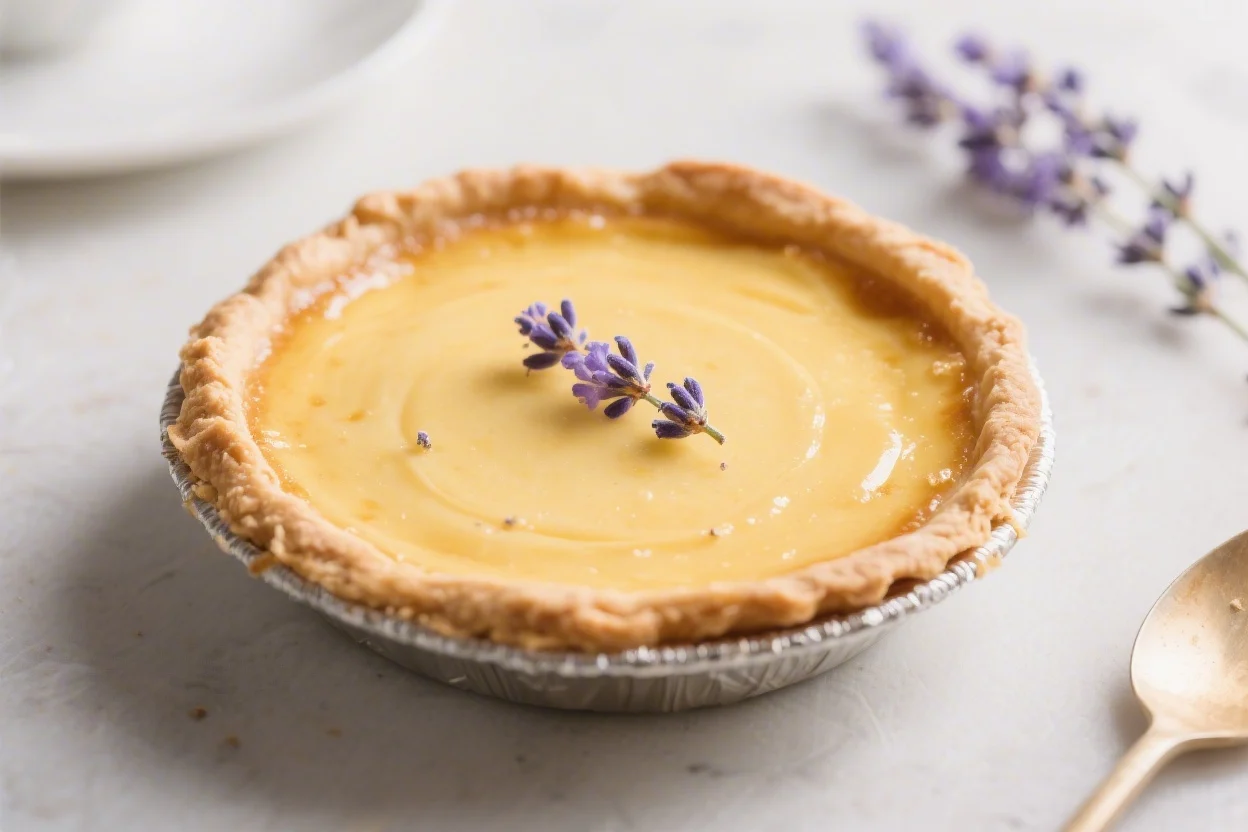
Honey Lavender Custard Pie the Dessert You Didn’t Know You Needed – Silky, Floral, and Comforting
Ingredients
Method
- Blind-bake the crust. Heat the oven to 375°F (190°C). Line your 9-inch pie shell with parchment and fill with pie weights. Bake 15 minutes, remove weights, and bake 8–10 minutes more until lightly golden. Cool while you make the filling. Reduce oven to 325°F (163°C).
- Warm the dairy. In a saucepan, combine milk and cream. Heat over medium until steaming but not boiling.
- Infuse with lavender. Stir in the lavender buds. Remove from heat, cover, and let steep 10–15 minutes. Taste at 10 minutes; it should be fragrant, not perfumy. Strain out the buds and return the infused dairy to the pan.
- Add honey and sugar. Whisk in honey, granulated sugar, and salt. Warm gently, stirring, just until fully dissolved, then remove from heat. Stir in vanilla and lemon zest if using. Whisk in the butter until melted and glossy.
- Whisk the eggs. In a separate bowl, whisk eggs and yolks until smooth and slightly thickened.
- Temper the eggs. Slowly pour a ladle of the warm dairy into the eggs while whisking constantly. Repeat with another ladle. Then whisk the tempered eggs back into the saucepan. This prevents curdling.
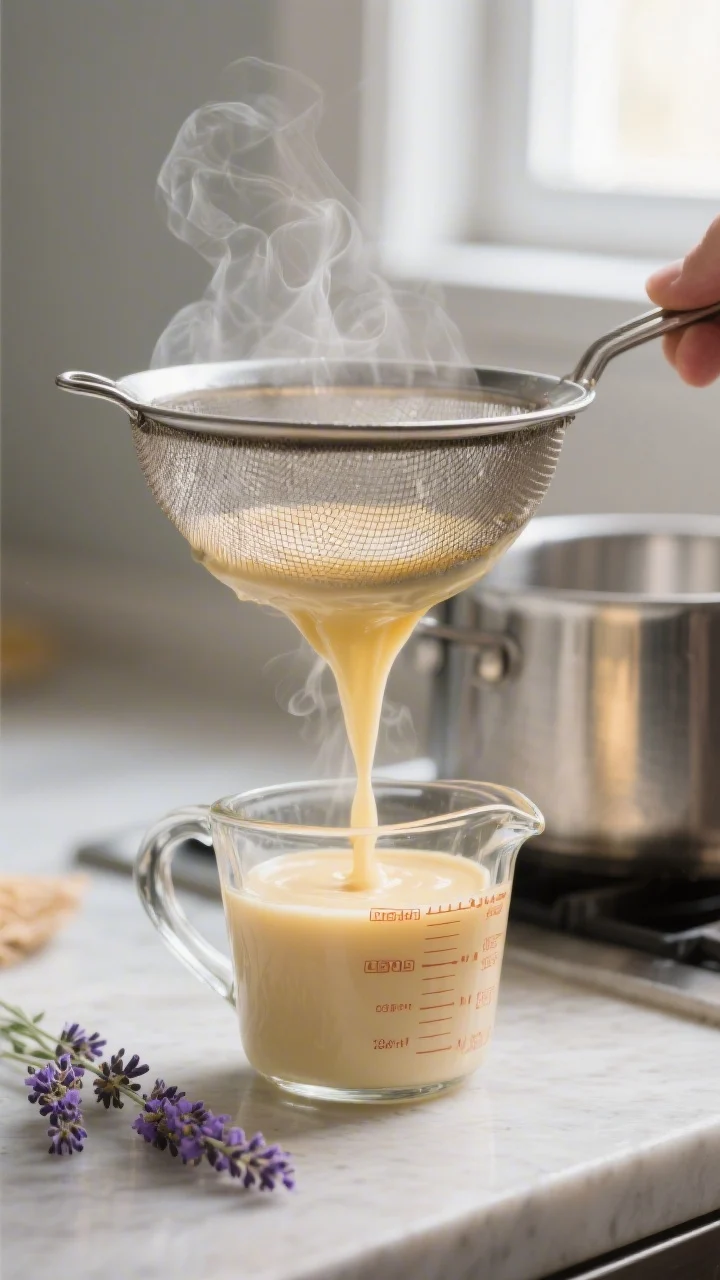
- Strain for silkiness. Pour the custard through a fine-mesh sieve into a large measuring cup or bowl with a spout. This step removes any stray bits for an ultra-smooth texture.
- Fill the crust. Place the cooled crust on a baking sheet. Pour in the custard. If bubbles form, lightly tap the pan or skim with a spoon.
- Bake low and slow. Bake at 325°F (163°C) for 30–40 minutes. The edges should be set and the center should still jiggle like gelatin. Don’t overbake.
- Cool completely. Let the pie cool on a rack to room temperature, about 1–2 hours, then chill at least 2 hours to set.
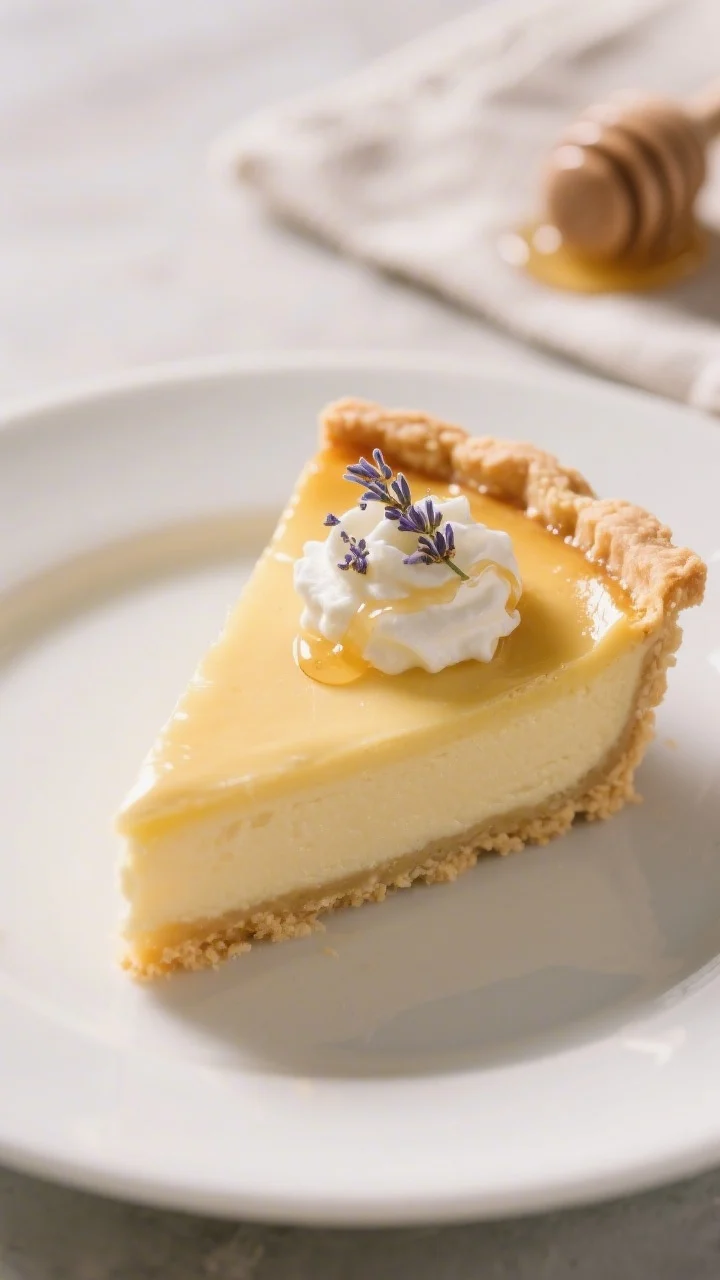
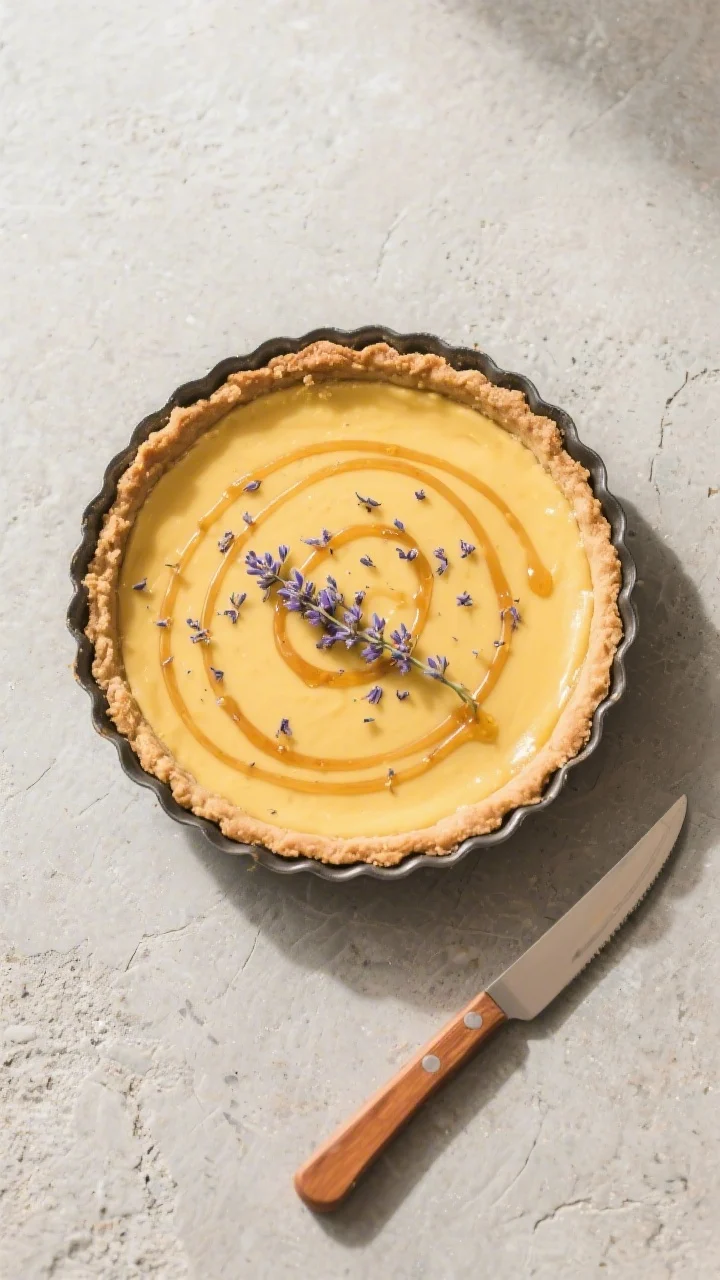
- Serve. Slice with a warm, dry knife for clean cuts. Top with softly whipped cream and a light drizzle of honey. A tiny pinch of crushed lavender on each slice looks pretty—use sparingly.
What Makes This Special
This pie is all about balance. The custard is rich yet light, with honey as the main sweetener for a round, mellow flavor that granulated sugar can’t match.
A whisper of culinary lavender adds fragrance without overpowering the custard. The texture is silky and sliceable, like crème brûlée in pie form. And the technique is straightforward—steep, whisk, bake.
It’s an elegant dessert you can pull off on a weeknight or bring to a dinner party.
Shopping List
- Pie crust: 1 single 9-inch crust (store-bought or homemade, blind-baked)
- Whole milk: 1 cup
- Heavy cream: 1 cup
- Honey: 1/2 cup (preferably mild, like clover or wildflower)
- Granulated sugar: 1/4 cup (helps stabilize the custard)
- Large eggs: 3 whole
- Egg yolks: 2 yolks
- Culinary dried lavender buds: 1 to 1 1/2 teaspoons
- Vanilla extract or paste: 1 teaspoon
- Fine sea salt: 1/4 teaspoon
- Unsalted butter: 1 tablespoon (optional, for gloss and richness)
- Lemon zest: 1/2 teaspoon (optional, brightens the floral notes)
- Garnish: Whipped cream, extra honey for drizzling, or a pinch of crushed lavender
Instructions
- Blind-bake the crust. Heat the oven to 375°F (190°C). Line your 9-inch pie shell with parchment and fill with pie weights. Bake 15 minutes, remove weights, and bake 8–10 minutes more until lightly golden.
Cool while you make the filling. Reduce oven to 325°F (163°C).
Reader Favorite🍫 The Ultimate No-Bake Dessert Ebook 🍓
30 mouthwatering no-bake recipes you can whip up in minutes — creamy cheesecakes, fruity parfaits, chocolatey bars, and more!
- ⚡Quick & easy — no oven required
- 📖30 recipes + bonus treat
- 🍓Chocolate, fruit, nutty & refreshing flavors
- ✨Beautifully designed, instant download
Instant digital download • Secure checkout on Gumroad - Warm the dairy. In a saucepan, combine milk and cream. Heat over medium until steaming but not boiling.
- Infuse with lavender. Stir in the lavender buds.
Remove from heat, cover, and let steep 10–15 minutes. Taste at 10 minutes; it should be fragrant, not perfumy. Strain out the buds and return the infused dairy to the pan.
- Add honey and sugar. Whisk in honey, granulated sugar, and salt.
Warm gently, stirring, just until fully dissolved, then remove from heat. Stir in vanilla and lemon zest if using. Whisk in the butter until melted and glossy.
- Whisk the eggs. In a separate bowl, whisk eggs and yolks until smooth and slightly thickened.
- Temper the eggs. Slowly pour a ladle of the warm dairy into the eggs while whisking constantly.
Repeat with another ladle. Then whisk the tempered eggs back into the saucepan. This prevents curdling.
- Strain for silkiness. Pour the custard through a fine-mesh sieve into a large measuring cup or bowl with a spout.
This step removes any stray bits for an ultra-smooth texture.
- Fill the crust. Place the cooled crust on a baking sheet. Pour in the custard. If bubbles form, lightly tap the pan or skim with a spoon.
- Bake low and slow. Bake at 325°F (163°C) for 30–40 minutes.
The edges should be set and the center should still jiggle like gelatin. Don’t overbake.
- Cool completely. Let the pie cool on a rack to room temperature, about 1–2 hours, then chill at least 2 hours to set.
- Serve. Slice with a warm, dry knife for clean cuts. Top with softly whipped cream and a light drizzle of honey.
A tiny pinch of crushed lavender on each slice looks pretty—use sparingly.
Storage Instructions
- Refrigerate: Cover and chill for up to 3 days.
- No countertop storage: This is an egg-based custard; it must stay cold.
- Freeze (not ideal): You can freeze slices tightly wrapped for up to 1 month, but texture may weep slightly on thawing. Thaw overnight in the fridge.
- Refresh: If condensation forms, gently blot with a paper towel before serving.
Health Benefits
- Honey over refined sweetness: Honey adds antioxidants and a lower glycemic impact than straight sugar, while lending deep flavor so you can use less overall sweetener.
- Lavender’s calming vibe: Culinary lavender is used in small amounts and is associated with relaxation and stress relief through its aroma.
- Protein and calcium: Eggs, milk, and cream offer protein and minerals like calcium and phosphorus.
- Mindful indulgence: A thin slice goes a long way thanks to the custard’s richness, helping with portion satisfaction.
Common Mistakes to Avoid
- Using non-culinary lavender: Only use food-grade dried lavender. Decorative or bath-grade can taste soapy and may be treated with chemicals.
- Oversteeping: More time isn’t better.
Steep 10–15 minutes, then taste. Too much lavender becomes overpowering.
- Skipping tempering: Adding hot dairy to eggs too quickly scrambles them. Temper slowly while whisking.
- Overbaking: If the center is fully set in the oven, it’s overdone and can turn grainy.
Pull it when it still has a gentle wobble.
- Neglecting the sieve: Straining ensures a silky, restaurant-level texture. It’s worth the extra minute.
Alternatives
- Dairy swaps: Use half-and-half instead of the milk/cream combo for a lighter custard. For non-dairy, try full-fat coconut milk with caution; the flavor will shift, and set may be softer.
- Sweetener options: Replace part of the honey with maple syrup for a woodsy note.
Reduce granulated sugar if your honey is very sweet.
- Crust variations: Graham cracker or almond cookie crusts add a toasty contrast. Gluten-free crusts work well—parbake to keep them crisp.
- Flavor twists: Add a teaspoon of orange zest instead of lemon, or a few cardamom pods during the steep (remove before baking).
- Torch finish: Sprinkle a thin layer of sugar on top after chilling and brulée it for a crackly caramel lid.
FAQ
How strong should the lavender flavor be?
It should be gentle and perfume-like, not soapy. Start with 1 teaspoon, taste after steeping, and only bump up to 1 1/2 teaspoons if you want more aroma.
Can I make this ahead?
Yes.
Bake the day before, chill overnight, and garnish just before serving. The flavor actually blooms after resting.
What if I don’t have a fine-mesh sieve?
Use a clean tea strainer or a few layers of cheesecloth. In a pinch, let the custard rest for 5 minutes and skim any foam before baking.
Why add both honey and sugar?
Honey adds flavor and moisture, while a little sugar helps the custard set consistently and prevents weeping.
The combo gives a better texture.
How do I prevent cracks?
Bake at a lower temperature, pull while the center still jiggles, and cool gradually. Avoid sudden temperature swings and don’t overbake.
Can I use fresh lavender?
You can, but it’s harder to control potency and moisture. If using fresh, start with a small amount, chop lightly, and strain well.
Dried culinary lavender is more predictable.
Is this safe for kids?
Yes, as long as you keep the lavender modest and there are no allergies. The flavor is delicate and the custard is fully cooked.
What honey works best?
Mild honeys like clover, wildflower, or orange blossom keep the lavender in balance. Buckwheat honey can overpower the floral notes.
Wrapping Up
Honey Lavender Custard Pie is the kind of dessert that feels familiar and fresh at the same time.
It’s simple to make, elegant to serve, and surprisingly comforting. If you’re craving something special without extra fuss, this pie quietly steals the show. Keep it in your back pocket for dinners, holidays, or whenever you want a soft, floral finish to the night.
Printable Recipe Card
Want just the essential recipe details without scrolling through the article? Get our printable recipe card with just the ingredients and instructions.