
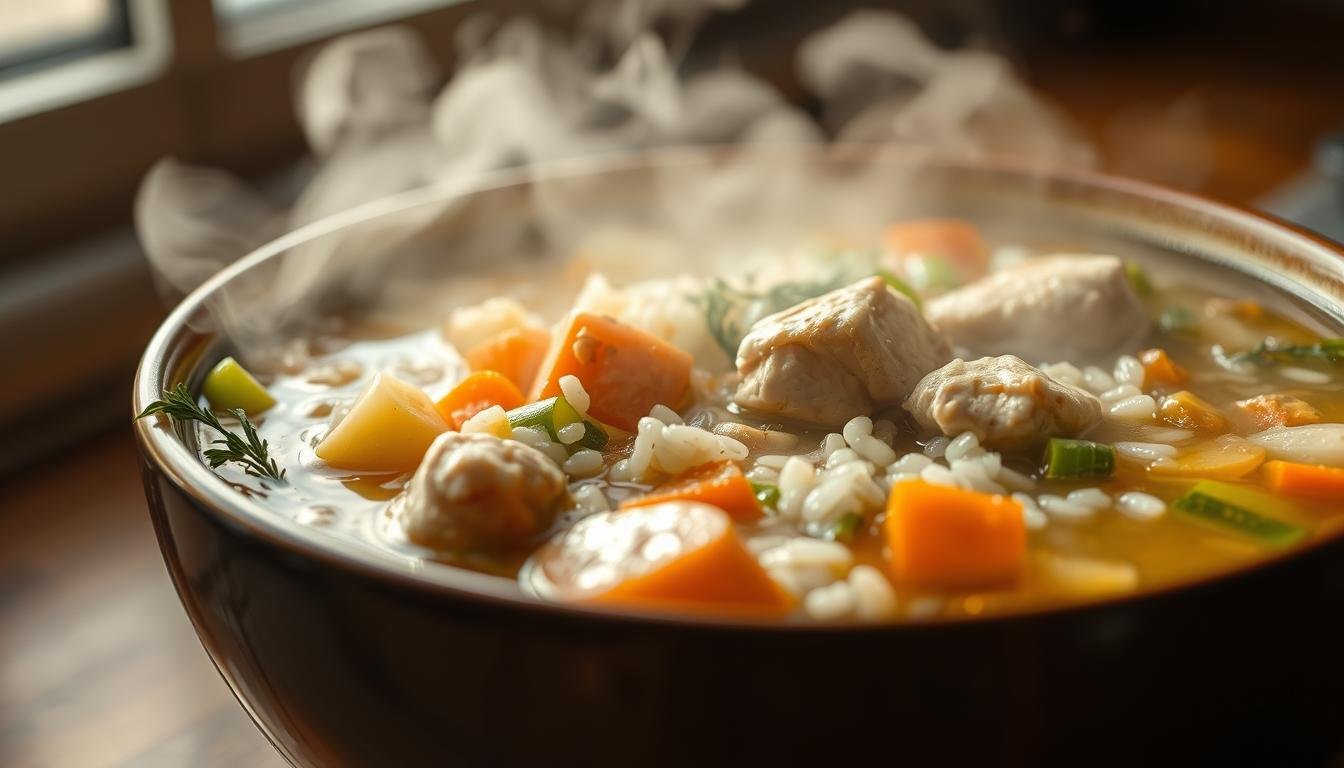
There’s something incredibly comforting about a warm bowl of homemade soup. For me, it’s the perfect blend of simplicity and heartiness. My go-to recipe has always been a classic dish that combines tender ingredients with a rich, flavorful broth. It’s a meal that feels like a hug in a bowl.
Over the years, I’ve perfected this recipe to balance taste and texture. I use bone-in pieces to deepen the flavor and cook the grains separately to keep them from becoming too soft. Fresh vegetables add a touch of brightness, while simple seasonings let the natural flavors shine.
Whether I’m cooking on the stovetop or using a slow cooker, this dish always turns out delicious. It’s versatile, easy to make, and perfect for any occasion. I’m excited to share my journey with this recipe and hope it brings as much comfort to your table as it does to mine.
Key Takeaways
- This recipe is a comforting and hearty meal for any day.
- Bone-in pieces add depth and richness to the broth.
- Cooking grains separately preserves their texture.
- Fresh vegetables and simple seasonings enhance the flavor.
- Versatile cooking methods include stovetop and slow cooker options.
- Perfect for cozy, everyday meals or special occasions.
Introduction to My Chicken Rice Soup Experience
The first time I tasted this dish, it felt like a warm embrace on a chilly evening. It was simple yet so satisfying, and I knew I had to make it a regular part of my meals. From that moment, this recipe became a staple in my kitchen.
I remember the initial minutes spent gathering fresh ingredients. The aroma of simmering vegetables filled the air, creating a sense of comfort even before the first spoonful. Fresh pepper and a blend of spices added depth, while a sturdy pot ensured the broth simmered perfectly.
Celery and carrots became the foundation of the dish, balancing flavors beautifully. Over time, I refined the recipe, paying attention to details like minute timings to keep the meat tender. Each attempt brought me closer to the perfect version.
🍫 The Ultimate No-Bake Dessert Ebook 🍓
30 mouthwatering no-bake recipes you can whip up in minutes — creamy cheesecakes, fruity parfaits, chocolatey bars, and more!
- ⚡Quick & easy — no oven required
- 📖30 recipes + bonus treat
- 🍓Chocolate, fruit, nutty & refreshing flavors
- ✨Beautifully designed, instant download
Here’s a quick look at the key ingredients and their roles:
| Ingredient | Role |
|---|---|
| Celery | Adds a subtle, earthy flavor |
| Carrots | Provides natural sweetness |
| Fresh Pepper | Enhances warmth and spice |
| Quality Pot | Ensures even heat distribution |
What I love most about this recipe is its versatility. It encourages creativity, allowing you to tweak it to your taste. Trust your instincts, and don’t be afraid to experiment. After all, cooking is about making a dish your own.
Mastering Chicken Rice Soup: A How-To Guide
The secret to a flavorful meal lies in the details of preparation. I start by selecting fresh vegetables like celery, carrots, and onions. These ingredients form the foundation of a rich and hearty dish.
To create a deep and savory broth, I soften the onions and garlic in butter. This step enhances the base flavor and adds warmth to the dish. Fresh vegetables are then added to the pot, releasing their natural sweetness.
Simmering is key to achieving the perfect texture. I keep the heat low to avoid toughening the meat. This gentle process allows the flavors to meld beautifully over time.
Timing is crucial. I ensure each ingredient cooks just long enough to reach its peak flavor. Adding elements like chicken noodle enhances the dish’s heartiness without overpowering the broth.
Here’s a quick breakdown of my process:
- Soften onions and garlic in butter for a flavorful base.
- Add fresh vegetables and let them release their natural juices.
- Simmer gently to preserve the texture and enhance the broth.
- Monitor the time to ensure every element cooks perfectly.
By following these steps, you can create a harmonious and comforting dish. Trust the process, and don’t be afraid to adjust as needed. Cooking is all about making it your own.
Essential Ingredients for a Flavorful Dish
Every great dish starts with the right ingredients, and this one is no exception. The key to a flavorful meal lies in the careful selection and balance of components. From fresh herbs to quality spices, each element plays a crucial role in creating a dish that’s both comforting and satisfying.
Salt is one of the most important ingredients. It enhances the natural flavors of the broth and other components. However, it’s essential to adjust the amount based on the broth’s saltiness. Too much can overpower the dish, while too little can leave it bland.
Controlling the heat is another critical factor. Cooking over low heat ensures the meat stays tender and juicy. High heat can toughen it, so patience is key. A gentle simmer allows the flavors to meld beautifully, creating a rich and harmonious broth.
Fresh parsley adds a bright, herbaceous note, while a hint of hot sauce can elevate the dish with a subtle kick. These small additions make a big difference in the overall flavor profile. Cooking grains separately prevents them from becoming mushy and helps avoid leftover issues.
Here’s a breakdown of the essential ingredients and their roles:
| Ingredient | Role |
|---|---|
| Salt | Enhances flavor and balances the dish |
| Fresh Parsley | Adds brightness and freshness |
| Hot Sauce | Provides a subtle kick and depth |
| Quality Container | Ensures leftovers stay fresh |
Storing leftovers properly is just as important as the cooking process. Airtight containers keep the dish fresh and flavorful for days. Preparing ingredients in advance also makes the cooking process seamless and enjoyable.
By focusing on these essential ingredients and techniques, you can create a dish that’s both delicious and comforting. Experiment with flavors and trust your instincts to make it your own.
Step-by-Step Cooking Techniques
Creating a flavorful meal is all about timing, technique, and the right tools. I start by melting a tablespoon of butter in a Dutch oven over medium heat. This step adds richness to the base and ensures even cooking.
Next, I soften diced onions and minced garlic in the butter. This process takes about 5 minutes and builds a flavorful foundation. Fresh vegetables like carrots and celery are added next, releasing their natural sweetness as they cook.
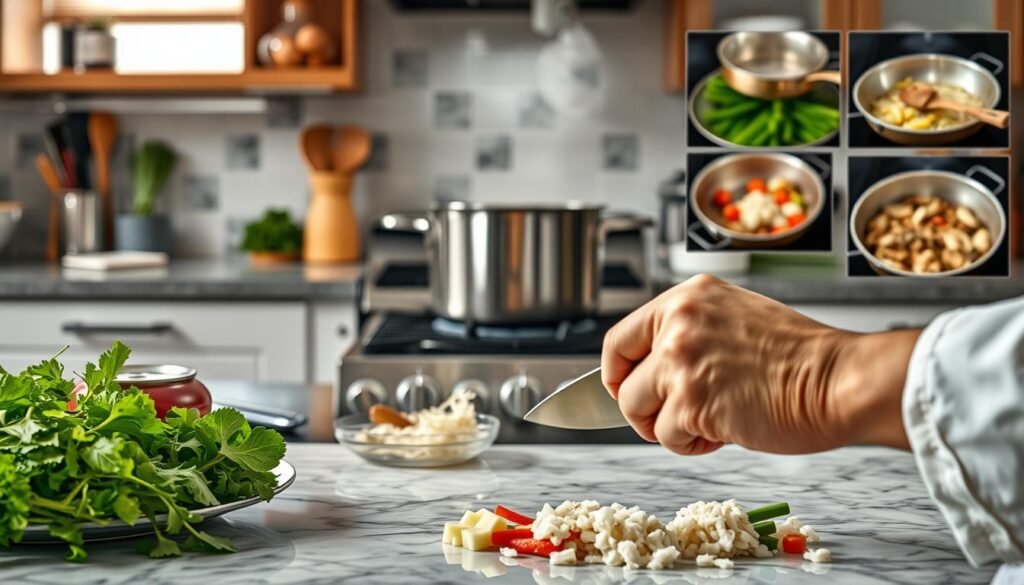
For the broth, I use low-sodium stock to control the sodium levels. Simmering the mixture gently allows the flavors to meld beautifully. I taste and adjust the seasoning as needed, ensuring a balanced flavor profile.
While the broth simmers, I cook the grains separately in another pot. This prevents them from becoming too soft and preserves their texture. Timing is crucial here—I aim for a tender yet firm consistency.
Once the meat is cooked, I shred it into bite-sized pieces and add it back to the pot. This step ensures every serving is hearty and satisfying. For an extra boost of fiber, I sometimes add a handful of leafy greens or whole grains.
Here’s a quick summary of my process:
- Melt a tablespoon of butter in a Dutch oven.
- Soften onions and garlic for a flavorful base.
- Add fresh vegetables and low-sodium stock.
- Simmer gently, adjusting seasoning as needed.
- Cook grains separately to preserve texture.
- Shred the meat and add it back to the pot.
When it’s time to serve, I ladle the dish into bowls and garnish with fresh herbs. This not only enhances the presentation but also adds a burst of flavor. Whether it’s a cozy weeknight or a special day, this meal is always a hit.
Tips and Tricks for Perfect Texture and Flavor
Perfecting the texture and flavor of a dish requires attention to detail and a few insider tips. Over the years, I’ve learned that small adjustments can make a big difference. Here are some of my favorite techniques to help you achieve the best results.
Start by measuring liquids carefully. Using a cup ensures consistency and balance in your broth. Too much or too little can throw off the entire dish. Precision here is key to a harmonious flavor.
Controlling the fat content is another important step. A small amount of butter can add richness without overwhelming the dish. I like to add it at the end for a smooth finish. This enhances the overall mouthfeel and flavor.
Timing is everything. Adding lemon juice and garlic paste at the right moment can elevate the taste. These ingredients bring brightness and depth, making the dish more complex and satisfying.
Simmering is crucial, but transitioning to a controlled cooking environment can prevent overcooking. Monitor the dish over the course of an hour to ensure everything cooks evenly. This patience pays off in the final product.
Here are some additional tips to keep in mind:
- Use elements from chicken noodle soup to boost heartiness without overpowering the broth.
- Add ingredients in stages to maintain their individual textures and flavors.
- Trust your instincts and adjust seasoning as needed for a personalized touch.
By following these tips, you can create a dish that’s both comforting and flavorful. Experiment with these techniques to make the recipe your own.
Creative Variations and Personal Customizations
One of the joys of cooking is the freedom to experiment and make a recipe your own. Over time, I’ve discovered that small tweaks can elevate a dish to new heights. For example, I sometimes add extra herbs like thyme or rosemary to tailor the flavor profile. These little changes can make a big difference.
Using a dutch oven has been a game-changer for me. It intensifies the fusion of ingredients, creating a richer and more cohesive dish. I also love to add onion in layers—sautéing some at the start and adding a handful later for a deeper base flavor. This technique adds complexity without overwhelming the dish.
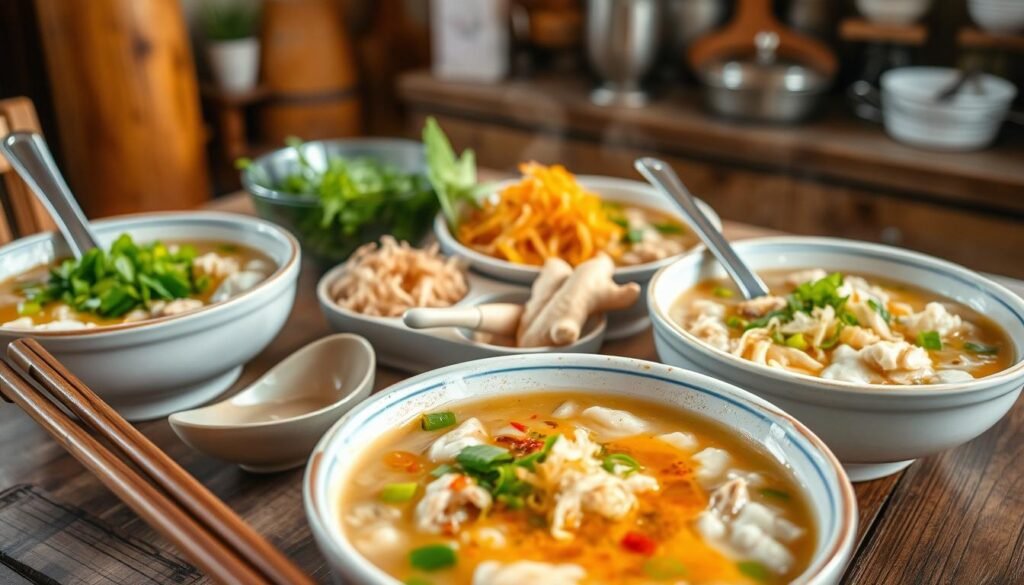
Seasonal vegetables like fennel or squash can bring a fresh twist to the recipe. I’ve also experimented with boneless alternatives for a lighter version. Adjusting the cooking time to boil the broth just right ensures the ingredients retain their texture and flavor.
Here are some of my favorite customizations:
- Add a splash of lemon juice for brightness.
- Incorporate whole grains for extra fiber and heartiness.
- Use low-sodium broth for dietary needs.
- Experiment with spices like cumin or paprika for a unique kick.
I encourage you to document your customizations for future reference. Cooking is all about finding what works for you. Whether you stick to the classic recipe or add your own flair, the result will always be comforting and delicious.
Storage, Reheating, and Leftover Ideas
Keeping your meal fresh and flavorful is just as important as the cooking process. Proper storage and reheating techniques ensure every bite tastes as good as the first. Here’s how I handle leftovers to maintain their quality and comfort.
First, I let the dish cool completely before storing. This prevents condensation, which can affect texture. I use medium-sized containers for portioning, making it easy to grab a serving whenever I need it. For longer storage, I freeze portions in airtight containers to preserve freshness.
Storing grains separately is a game-changer. It prevents them from becoming overly soft and maintains their texture. When reheating, I transfer the contents to a pot and bring it to a gentle boil. This method restores the flavors and ensures even warmth.
Here’s a quick guide to my storage and reheating process:
| Step | Details |
|---|---|
| Cooling | Let the dish cool completely before storing. |
| Containers | Use medium-sized, airtight containers for portioning. |
| Freezing | Freeze in portions for up to several months. |
| Reheating | Bring to a gentle boil to restore flavors. |
Leftovers can also be transformed into new dishes. For example, I sometimes add noodles to create a heartier version. Another idea is to serve it in a bowl with fresh herbs for a quick, satisfying meal. Proper storage extends the shelf life to up to 3 days in the fridge or several months in the freezer.
Having pre-portioned servings ready makes colder days even cozier. With these tips, you can enjoy your meal just as much the second time around. Trust me, it’s worth the effort!
Final Reflections on a Heartwarming Dish
Cooking this dish has been a journey of discovery and comfort. Each season brings new opportunities to adapt the recipe, whether it’s adding fresh herbs or adjusting the broth’s richness. The quality of ingredients, from the iron-rich vegetables to the tender meat, truly transforms the taste.
Every batch feels unique, and I’ve learned to trust my instincts when balancing spices and seasonings. Sharing this heartwarming meal with loved ones has been one of the greatest joys. It’s a reminder that cooking is an art, and every attempt can be improved with passion and practice.
I encourage you to make this recipe your own. Experiment with flavors, adjust to your taste, and don’t be afraid to try new variations. Whether it’s a cozy weeknight or a special occasion, this dish is sure to bring comfort and warmth to your table.
I’d love to hear about your experiences! Share your modifications in the comments, and let’s keep the legacy of this comforting recipe alive. Happy cooking!
FAQ
Can I use leftover rotisserie chicken for this dish?
Absolutely! Leftover rotisserie chicken works great. Just shred it and add it toward the end of cooking to keep it tender.
What’s the best way to store leftovers?
I store mine in an airtight container in the fridge for up to 3 days. For longer storage, freeze it in portions for easy reheating.
Can I make this dish in a slow cooker?
Yes, you can! Add all the ingredients except the rice and noodles to the slow cooker. Cook on low for 6-8 hours, then add the rice or noodles in the last 30 minutes.
How do I adjust the sodium level?
I use low-sodium broth and season with herbs like thyme or parsley. Taste as you go and add salt sparingly if needed.
Can I add other vegetables?
Definitely! I love tossing in diced celery, carrots, or even zucchini for extra flavor and nutrients.
How do I prevent the rice from getting mushy?
Cook the rice separately and add it just before serving. This keeps it from absorbing too much broth and losing its texture.
What’s a good substitute for rice?
I sometimes use quinoa or cauliflower rice for a lighter option. Both add a nice twist to the dish.
Can I make this ahead of time?
Yes, but I recommend keeping the rice or noodles separate until you’re ready to serve. This helps maintain the perfect consistency.
How do I reheat it without drying it out?
I reheat it gently on the stove, adding a splash of broth or water to keep it moist and flavorful.
What’s the best way to add more flavor?
I like to sauté onions and garlic before adding the broth. A dash of pepper or a bay leaf while simmering also enhances the taste.